Stop Fighting Your Oven: Why Halogen Heat Just Works Better
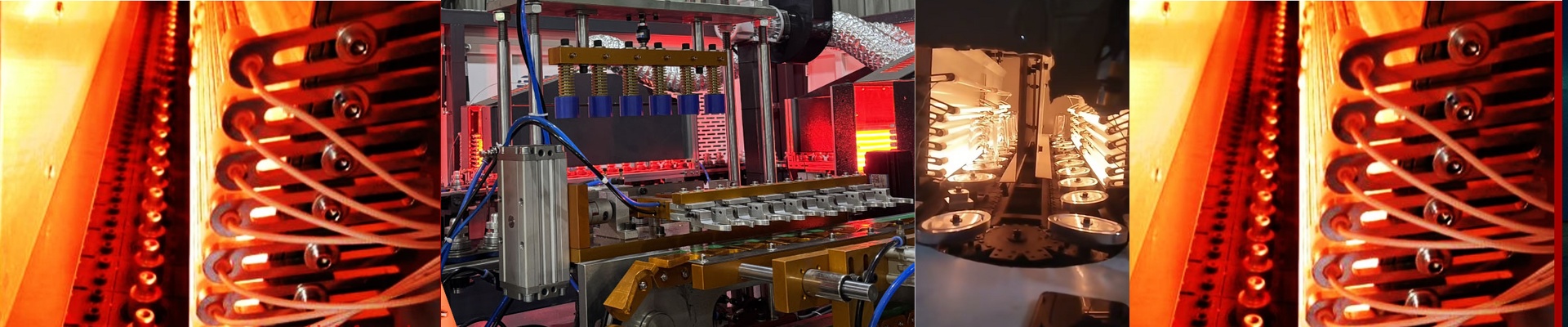
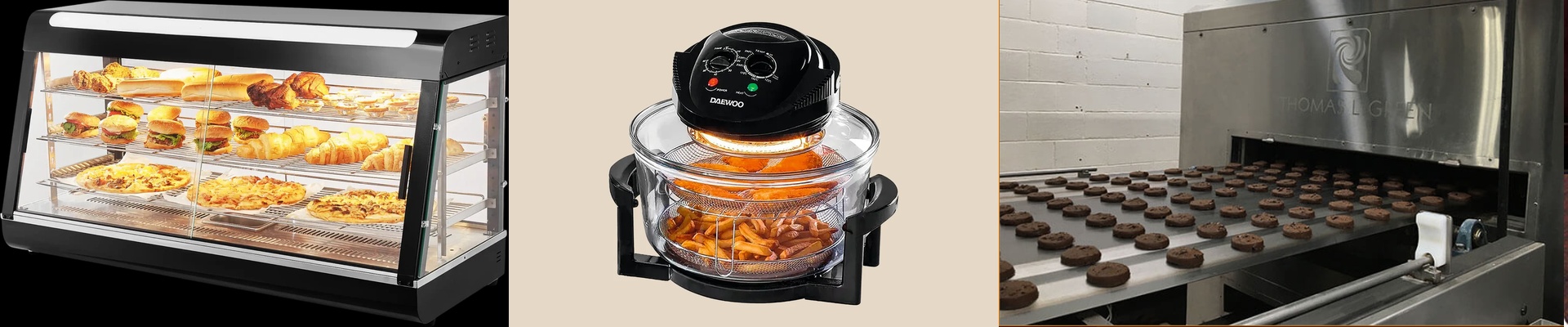
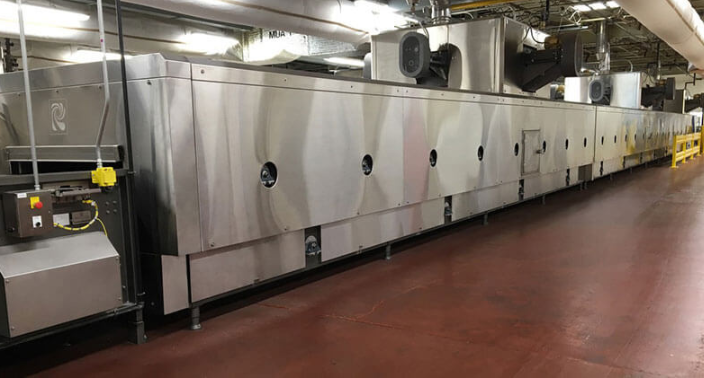
In the world of industrial baking, a few seconds is all it takes to go from a perfect golden crust to a charred mess. It’s frustrating. Most of the time, the problem isn’t the baker—it’s the heating elements. Standard heaters hold onto heat for way too long, and that lag is what kills your consistency. That’s why we use shortwave halogen bulbs. They basically kill the lag. The secret is in the response time. Most heaters rely on “thermal mass.” They take forever to warm up and even longer to cool down. Halogen lamps don’t play that game. We’ve designed these tubes to hit their full temperature in milliseconds. When your PLC cuts the power, the heat stops. Period. You don’t have to deal with that annoying “overshoot” where the oven keeps cooking your bread even after you’ve hit your target temperature. It gives you actual control. What’s under the hood? We use high-density tungsten filaments tucked inside quartz. The clever part is the halogen cycle—it stops the quartz from turning black, so the light stays clear and the heat stays consistent for thousands of hours. Depending on your setup, we usually put these in arrays with R7s or SK15 connectors. It makes swapping them out a breeze—just drop them in and you’re back in business. One quick tip: keep an eye on your voltage and wattage relative to the tube length. If you cram too much wattage into a short tube, you’ll get a massive heat blast, but you’ll burn through your filament a lot faster. It’s a balance. A few things to keep in mind. Now, these aren’t “set it and forget it” tools. Because they react so fast, your PID controller needs to be dialed in. If your sampling rate is too slow, the system will start to oscillate, and you’ll be right back to square one. Also, these things gethot. Like, really hot. Make sure your housing is properly vented or water-cooled. If you don’t, the intense infrared load will warp your reflectors, and that’s a headache you don’t want. And if you really want to squeeze every bit of performance out of that response time? Pair them with a fast-switching SSR (Solid State Relay). It makes the whole system feel snappy and precise.