Getting the Heat Right in a Bread Oven
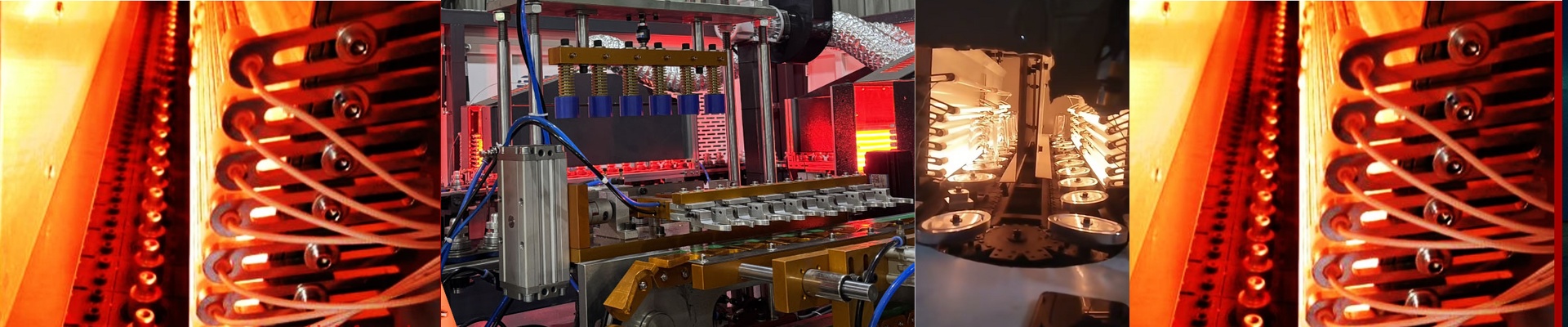
Ever notice how standard ovens tend to ruin a good loaf? They blast the crust with hot air, drying it out into a brick before the middle even gets warm. It’s frustrating. That’s why we use infrared (IR) emitters. Instead of just heating up the air and hoping for the best, we send radiant energy straight to the bread. It hits the surface directly, which means you can get that perfect warmth without sucking all the moisture out of the center. The Balancing Act It all comes down to how much energy is actually hitting the bread. If you crank it too high, you’re going to burn the crust. Too low? Your bread stays cold. We spend a lot of time tweaking the wavelength so the heat sinks in just enough to keep things cozy without triggering more evaporation. To get this right, we play around with how far the emitter sits from the bread and how the power cycles on and off. It’s a bit of a dance, but it’s the only way to get it perfect. The Gear We stick with shortwave quartz lamps because they’re fast. Like, instant-heat fast. But not all lamps are created equal. We use specific coatings on the quartz to tune the heat. This stops that “over-dried” feeling you get with those cheap heating elements you find everywhere. Plus, we hook them up to a PID controller so the temperature doesn’t just spike and overshoot the mark. The Real-World Stuff Here’s the catch: high-density IR lamps are powerful, but they love to create hot spots. You can’t just toss them in a box and expect every loaf to be the same. Because of the way radiation works, the edges of your tray usually get less heat than the center. To fix that, we either overlap the lamps or use a reflector to bounce those stray rays back onto the bread. And a quick tip—don’t ignore your cooling fans. You’ve got to move the heat away from the oven ceiling, or you’ll end up frying your own wiring. Not a great look.