
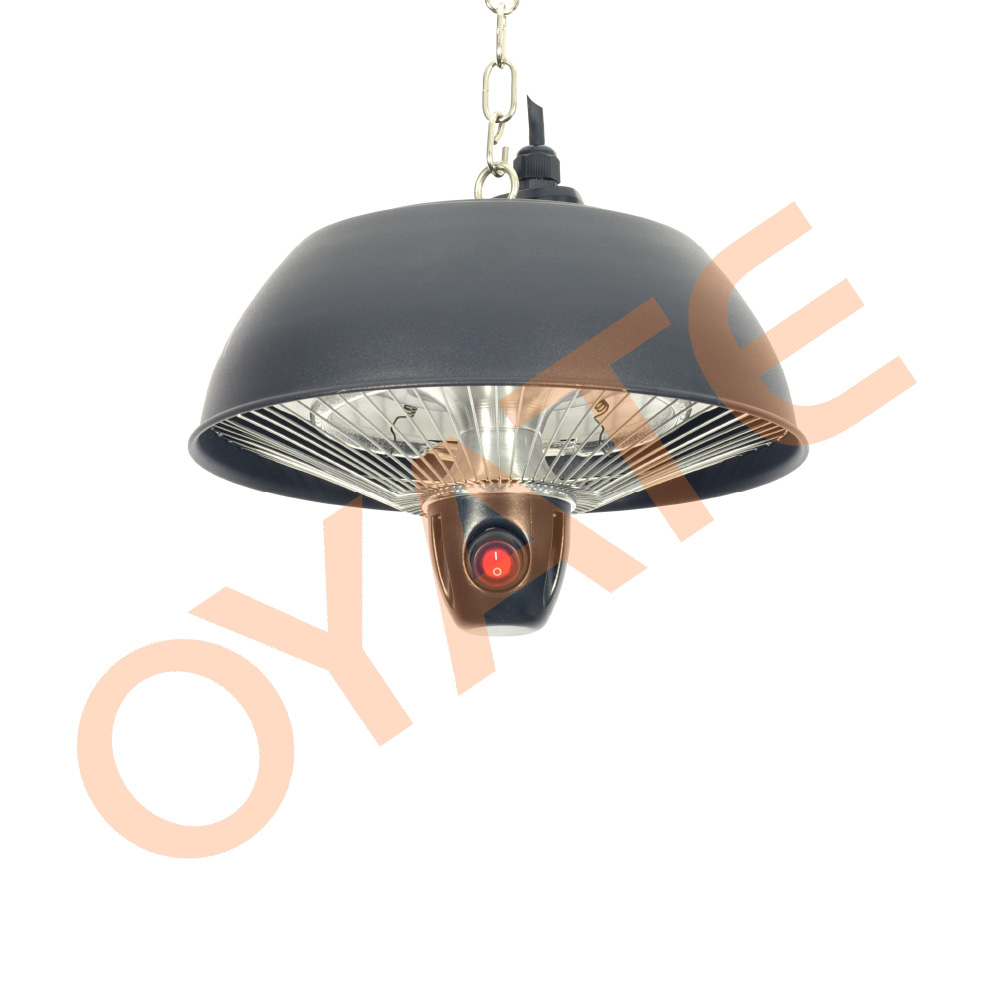
Why Your Infrared Heater’s Seals Actually Matter (And Why Most Fail)
If you’ve ever had an infrared heating element die on you, you know the frustration. Usually, it comes down to two things: water getting in or high heat eating away at the internals. When you see an “IPX5” rating on a spec sheet, don’t just take it as a badge of honor. What you’re actually looking for is a seal that can handle the heat without cracking the moment the lamp kicks in.
The Weak Spot: Where the Wire Meets the Tube
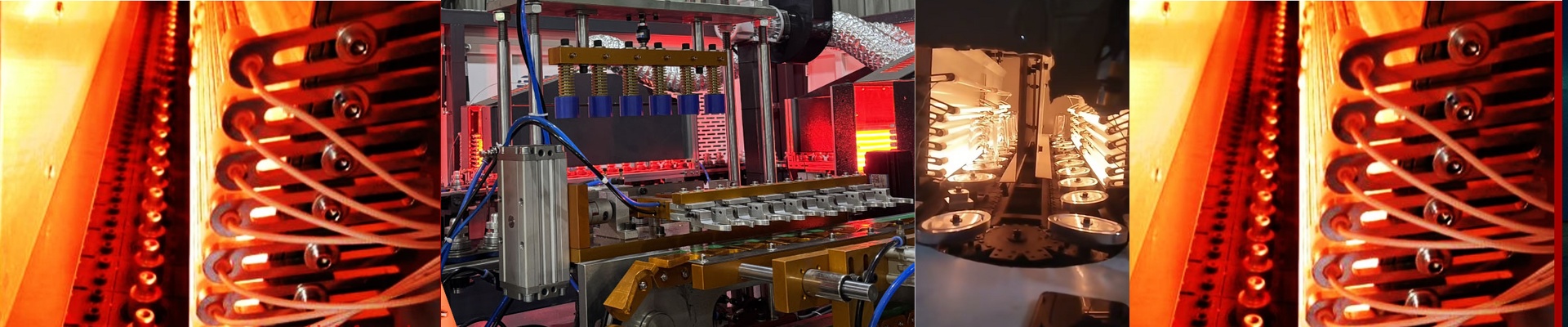
Here is the thing: most heaters fail at the junction. That’s the spot where the lead wire enters the quartz tube or the heating block. Cheap setups rely on basic silicone or some heat-shrink tubing. It looks fine at first. But then the heater starts cycling—heating up, cooling down, heating up again. Those cheap materials can’t keep up. They shrink. They crack. Once that happens, moisture sneaks in. It turns the insulation into a charred mess and—boom—you’ve got a short circuit. We do things differently. We use industrial-grade compounds and gaskets that are molded to be precise. It’s a multi-stage process. It ensures the seal stays airtight even while the materials are expanding and contracting. It’s the difference between something built for a shelf and something built for a factory floor.
Heat, Rust, and Safety
High heat is brutal on wire jackets. If the seal isn’t perfect, oxygen and moisture start attacking the lead-wire interface. The copper oxidizes. The insulation gets brittle. And once it’s brittle, it just starts flaking off. Suddenly, you’ve got live wires exposed in a damp environment. That’s a recipe for a bad day. To stop this, we focus on the actual chemical bond between the sealant and the wire. We use polymers with a high glass transition temperature. In plain English? They don’t soften or leak when the heater is running at full blast.
A Quick Heads-Up on Space
There is a trade-off. IPX5 protection makes the lead-wire assembly a bit bulkier. You’ll notice the connection point takes up more room than a standard seal. Just make sure your housing has enough breathing room. If you try to cram these reinforced seals into a space that’s too tight, you might pinch them. And a pinched seal is just a fancy way of saying it’s no longer waterproof.