Introduction
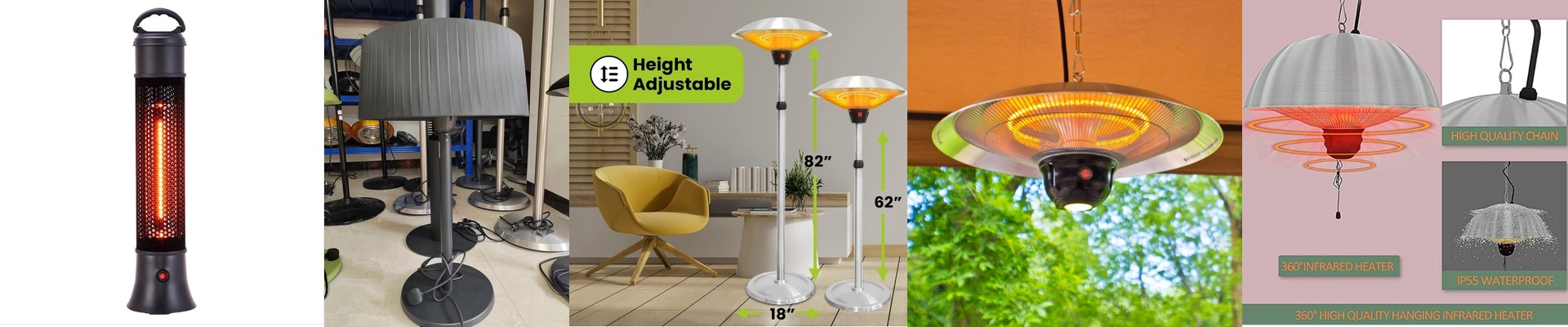
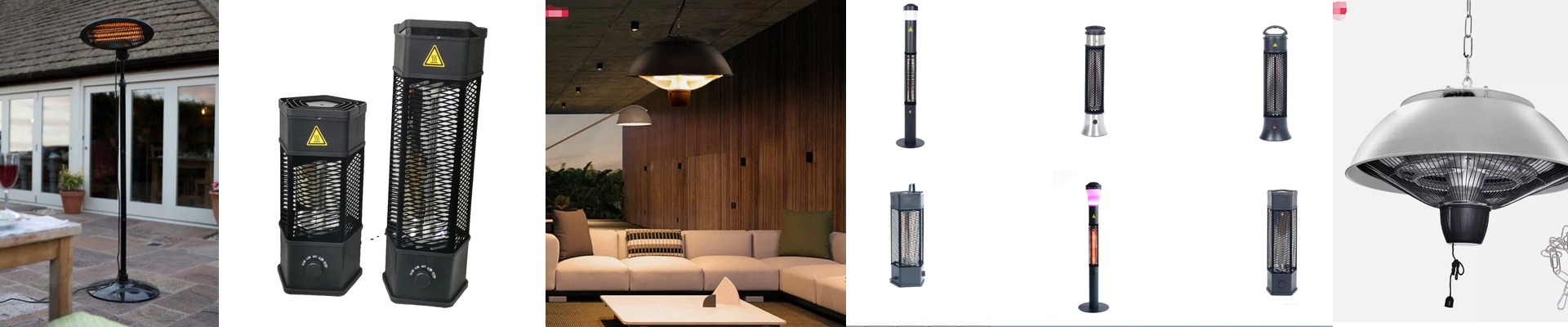
Ever stepped into your bathroom in winter and just shivered? Cold air. A damp towel hanging there, doing nothing but making things feel worse. And no patience for a heater that takes forever to warm up. We built this CE-certified infrared halogen towel rail heater to fix exactly that. It’s not about slowly warming the whole room. It’s about direct, radiant heat that hits right where you need it—and it turns on, gets hot, and gets to work the instant you flip the switch.
Here’s how it actually works
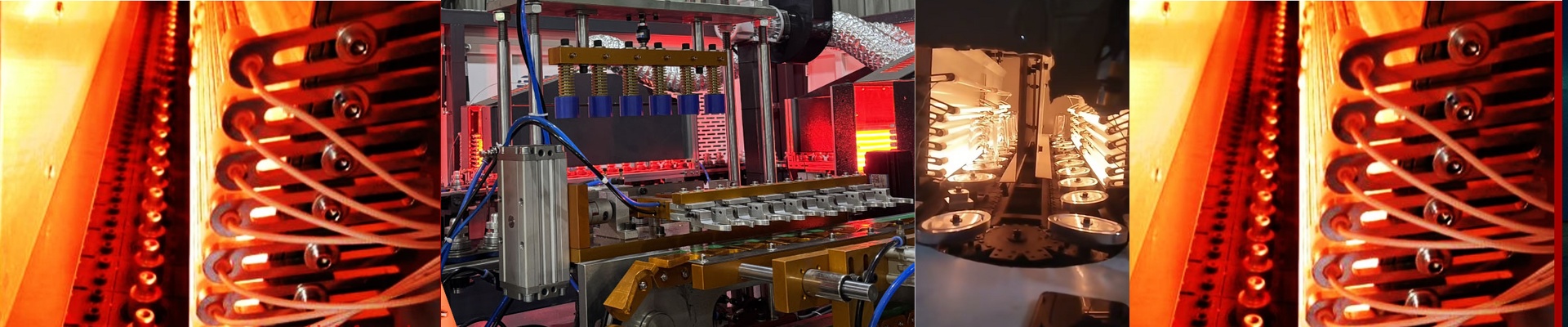
At the heart of it is a halogen infrared lamp, designed to heat up fast. The moment you turn it on, the filament gets hot and throws out infrared energy—no need to warm up air first. So you feel the warmth almost immediately. We tuned the lamp to pack serious heat into a small space. The wattage and length are matched to the rail itself, so the rail doesn’t just hold your towel—it becomes the heat source. Now, it’s powerful—like, 2500W powerful. That means it has to run on its own dedicated line. It draws a lot of current, so the trade-off for instant heat is simple: plan the wiring properly and make sure you’ve got overcurrent protection in place.
Materials and design—built for the real world
The lamp tube is quartz, because it can take high heat and handle rapid on/off cycles without getting fragile. And the halogen cycle inside helps keep the filament stable, so performance stays consistent over time. We added a reflective coating on the back to push infrared energy forward, so more warmth goes straight to the towels. The connector is an R7s base—an industrial standard that handles the current and gives solid, reliable contact. That also means the lamp is a straightforward drop-in replacement for standard towel rail setups.
What it feels like in a bathroom, and how it goes in
In the bathroom, the payoff is immediate. You get dry towels. You get that “cold surface” feeling knocked out—without waiting around for the whole room to heat up. And the CE certification means it meets recognized safety requirements, which matters whether you’re doing a production spec or a retrofit. Installation is quick because the R7s interface lines up with common rail mounts. Mount the rail, wire in the dedicated supply, and you’re set. The lamp can handle plenty of on/off cycles, but with that kind of heat density, you just need to plan for it. Make sure nearby materials can handle high temperatures, and keep the clearances as specified so nothing around it overheats.