
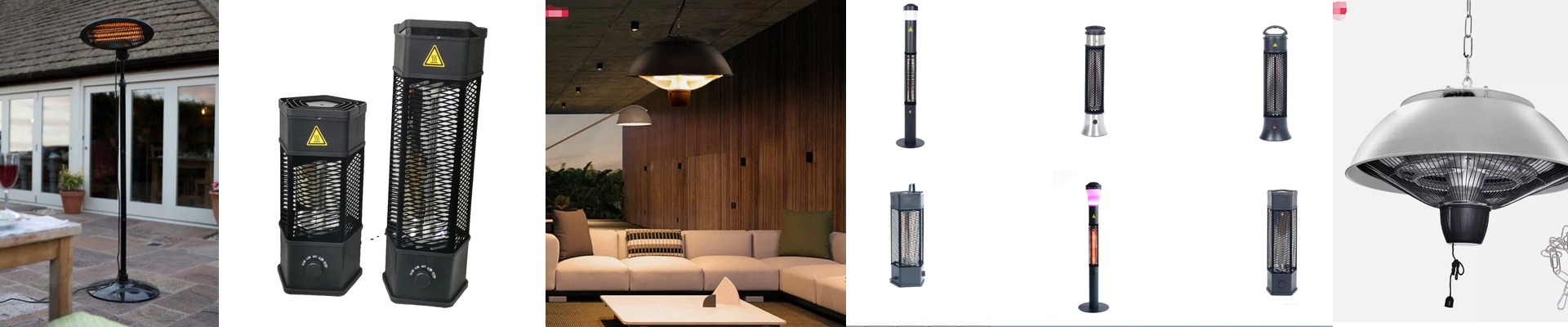
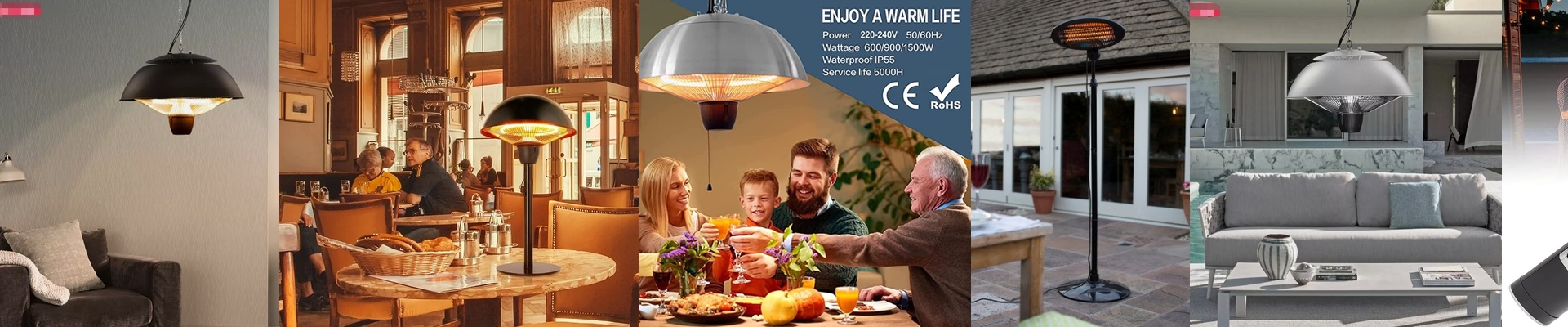
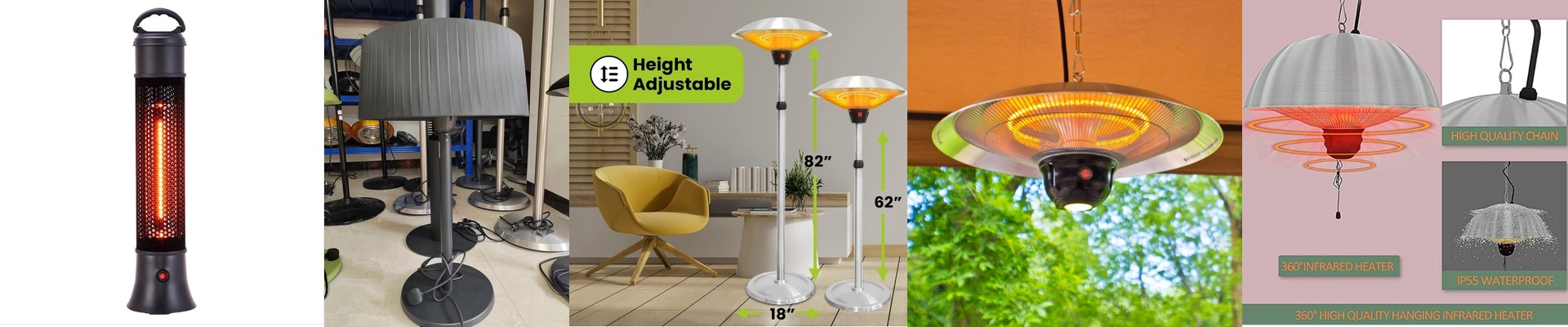
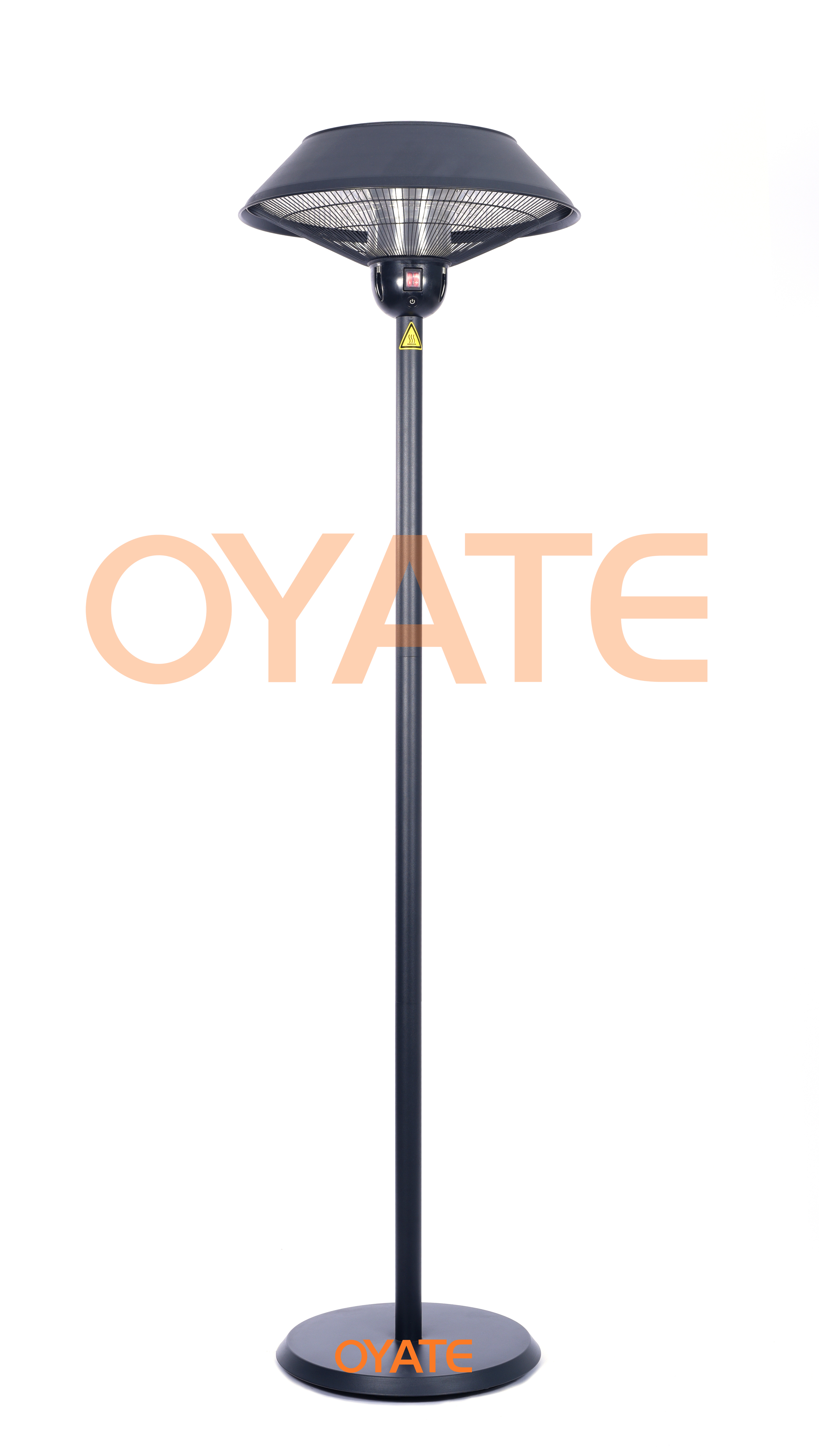
Step away from the chill. Even after the infrared heater shuts off, the room holds onto warmth—soft, steady, and real. That lingering coziness isn’t luck. It’s how infrared heat works with the space itself, not just the air.
What matters, technically
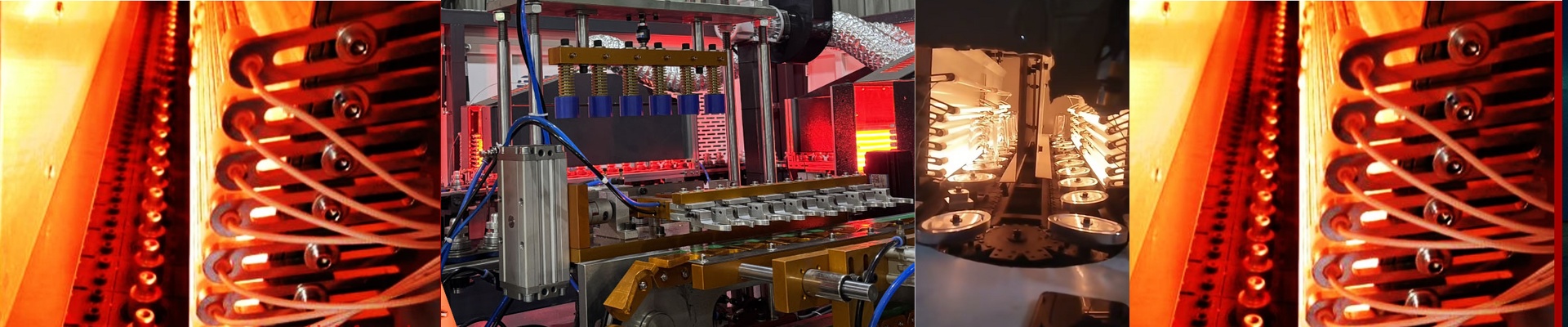
Infrared heaters send warmth straight to people and objects, not mainly to the air. The heating element—usually a quartz tube or a carbon fiber filament—emits short-wave or medium-wave infrared, and that energy gets absorbed by floors, furniture, walls, even your skin. Those masses then re-radiate longer-wave heat, creating a gentle secondary warmth. In practice, you feel comfort faster, and you keep feeling it after the unit cycles down. Many models pair this radiant approach with a convector element to gently move air, mixing even coverage with targeted infrared warmth.
Why it works where you need it
In a living room, workshop, or covered patio, the payoff is steadiness. Air-based heaters chase air temperature, so comfort fades fast when the unit stops. With infrared, the environment becomes part of the system. You get quicker comfort the moment you step in, fewer drafts, and a stable feel that supports better relaxation and circulation. For homeowners, that means fewer on-off cycles, quieter operation, and comfort that holds steady where you actually spend time.
The things you’ll want to get right
Infrared warmth works best in line-of-sight, so place the heater where people gather. For whole-room comfort, combine it with a convector or a gentle fan-assisted model. Most electric infrared units are plug-in friendly, but they run best on a dedicated circuit. If you’re doing a hardwired setup, plan the wiring route and clearances ahead of time. And because radiant heat warms objects first, rooms with large windows or high air exchange may need a bit more wattage to keep the same level of coziness.