


Basements have a way of turning comfort into a trade-off. The air sits heavy, walls and floors stay clammy, and forced-air systems often miss the mark—pushing out warm air that cools fast and leaving the whole space feeling colder than it should. What you need isn’t just heat. It’s dry, even warmth that actually reaches the spots where you sit and breathe.
What matters, technically
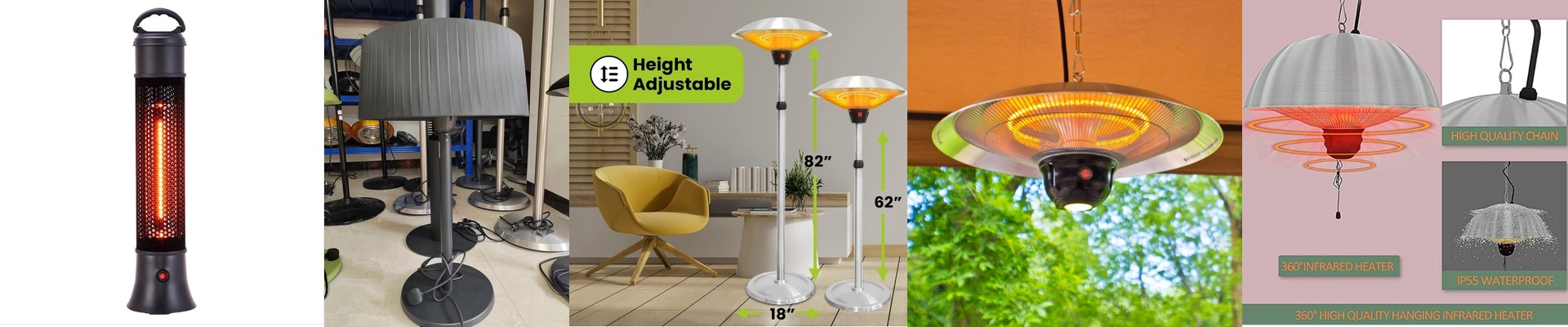
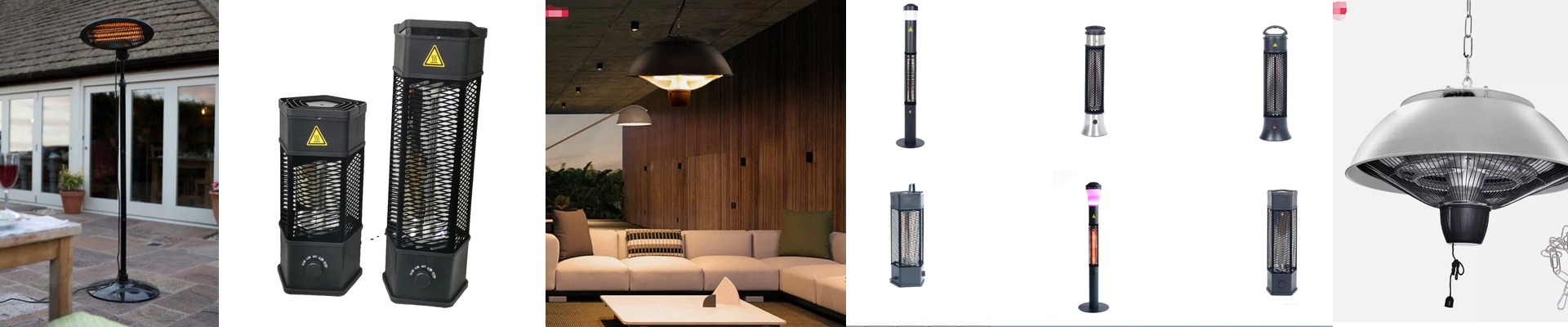
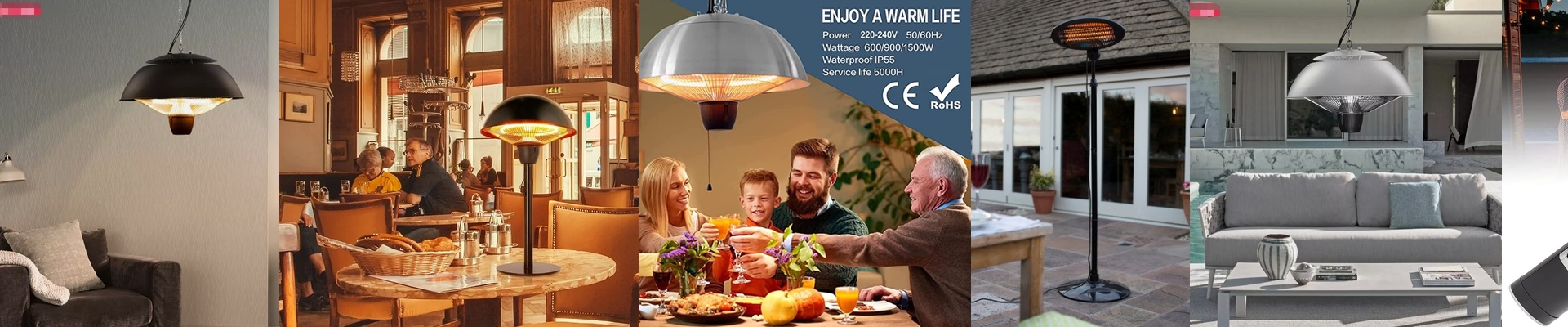
We built this low-power, wall-mounted infrared heater around radiant heat, not moving air. A quartz-tube element delivers short-wave infrared warmth that travels straight to people and objects, so you feel the heat quickly—even when the room air is still. It runs on standard 220–240 V circuits and pulls less current than many space heaters, so it’s practical for finished basements without rewiring. The unit mounts flush to the wall, keeping floor space clear, and the built-in thermostat holds output steady instead of hunting and cycling.
Why it works in a basement
Basement comfort falls apart when moisture hangs around and cold surfaces keep radiating chill. Infrared radiation warms chairs, floors, and walls directly, so you feel cozy even when the air temperature is cooler. Because it doesn’t rely on moving big volumes of air, it doesn’t stir up dust and drafts, and the gentle, steady warmth helps cut that clammy feel. The wall-mount keeps the heater out of the way, and the lower power draw means you can run it longer without sweating the energy use.
What to keep in mind
Installation is straightforward—hardwired to a dedicated circuit is the cleanest way—but placement matters. Mount it so the warmth covers the seating area, and avoid having people stare straight at the element for long stretches. The unit is designed for dry to moderately humid indoor spaces; if conditions get very wet, run proper ventilation or add a dehumidifier. The payoff is simple: a basement that finally feels like part of the house, not a place you avoid.