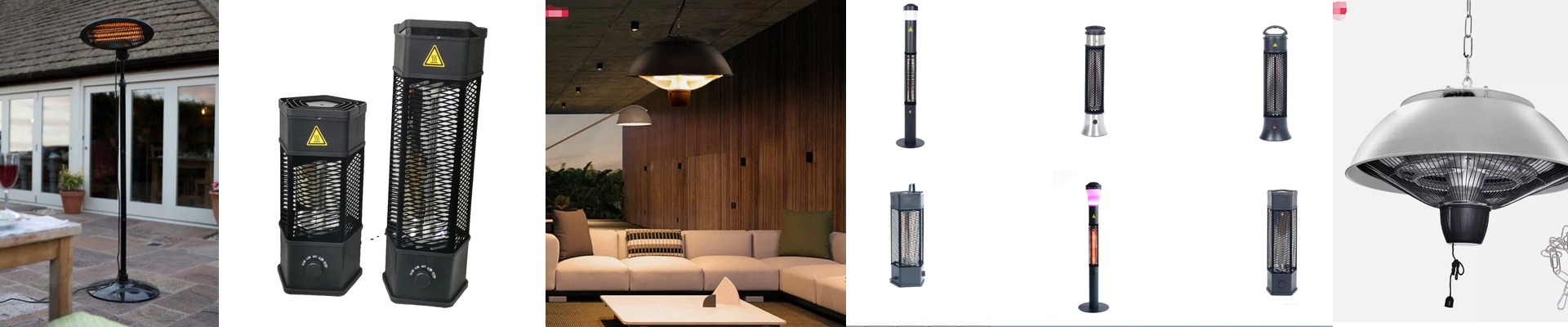
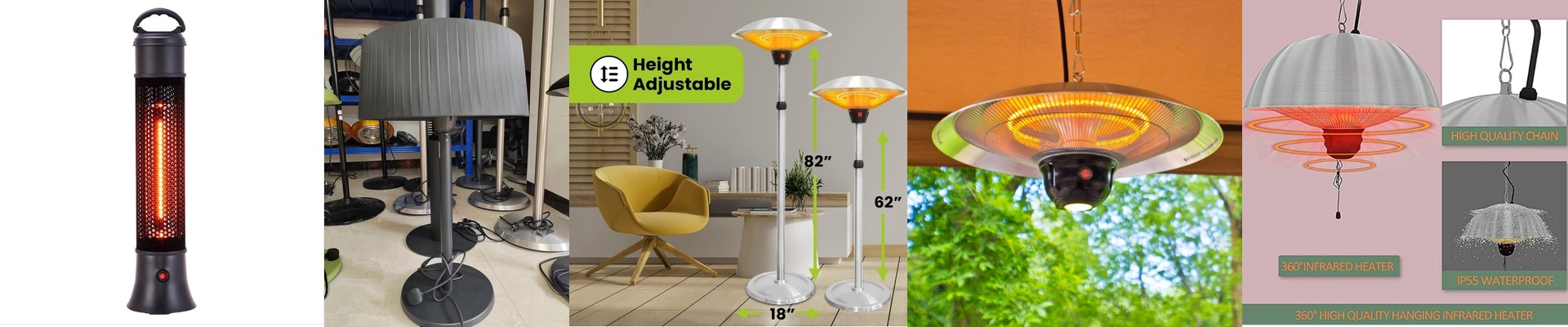
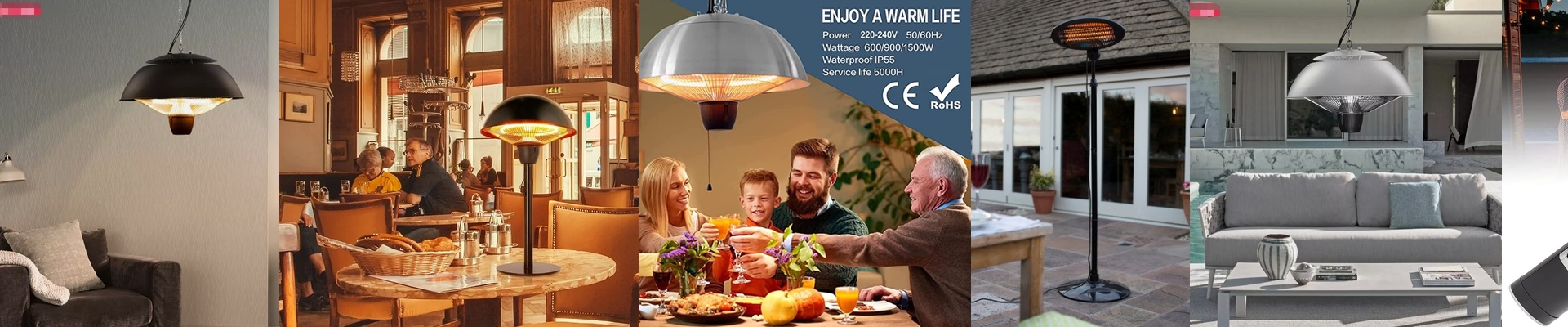

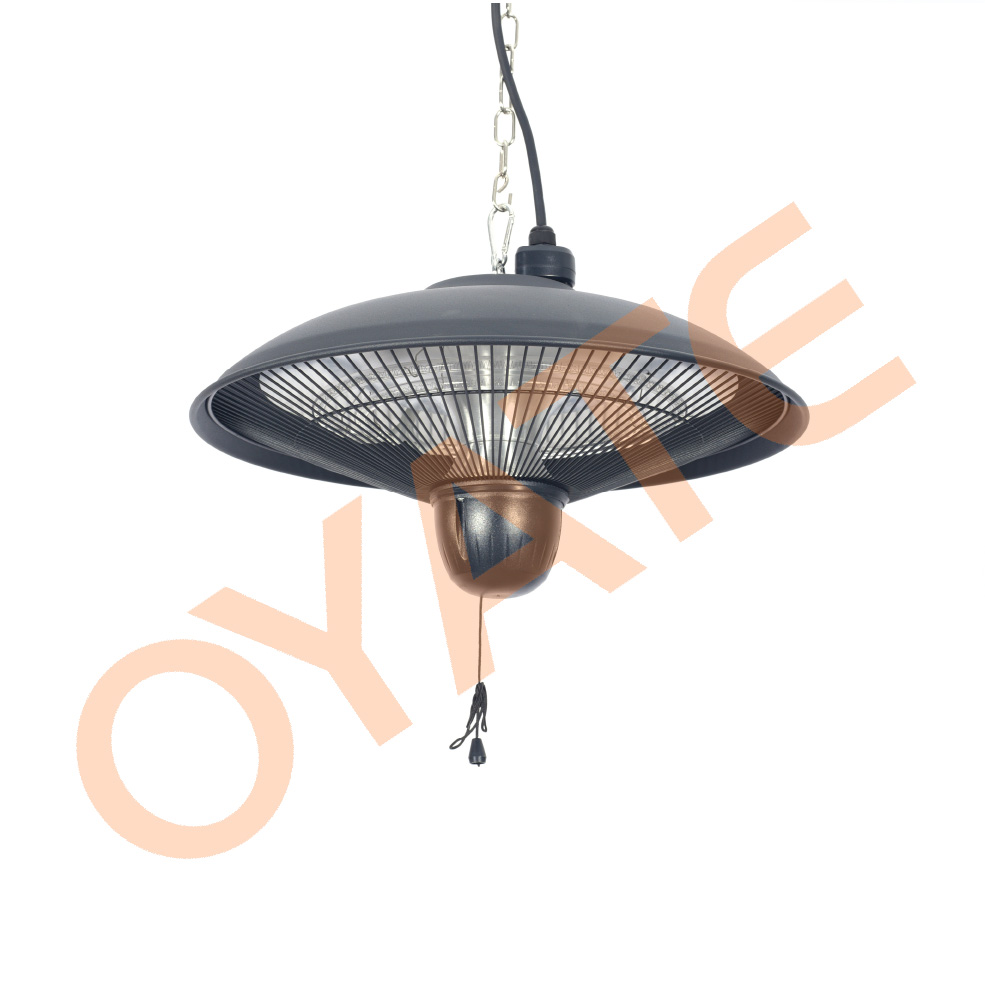
When you’re settling in for the evening with a baby in the living room, the last thing you need is a heater that wheezes, dries the air, or makes you second-guess oxygen levels. Many families reach for a living room space heater, but not all warmth is the same. Infrared radiant heat delivers comfort differently—warming people and surfaces directly, not the air around them. What matters, technically Infrared living room heaters rely on a glowing element—usually a carbon fiber element or a quartz tube—to emit radiant heat that travels outward at the speed of light. No fan, no forced air movement, and no combustion. That means no oxygen consumption and no dehumidifying effect. The heat is directional, so it feels warm right where you sit, much like sunlight on a cool morning. Most models plug into a standard outlet, draw 600–1500W, and include a thermostat for steady comfort. Safety features like tip-over protection and cool-touch housing are standard. Why it works in this room With an infant in the house, the living room becomes a sleep and play zone. Quiet operation matters because sudden noise can startle a sleeping baby. Infrared units run without a fan, so background sound stays low. Because they don’t consume oxygen, you can run them in well-sealed rooms without that uneasy feeling of the air being “used up.” The warmth feels gentle and even, and the immediate radiant heat keeps little hands and feet cozy—without the drafts that forced-air heaters can stir up. Here are the practical details Infrared warmth is most effective when aimed at seating areas, so placement matters. Keep the unit 3–5 feet from people and clear of curtains and furniture. Expect the heating zone to be focused—you’ll feel warmth where the beam lands, while nearby areas stay cooler. For whole-room comfort, pair it with gentle ambient circulation. Always plug directly into a grounded outlet and follow the clearances listed on the label.