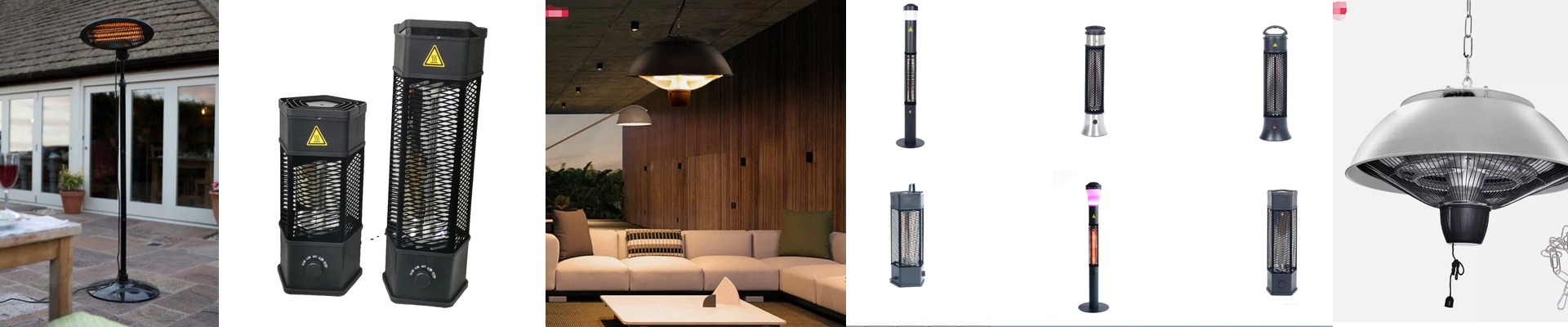
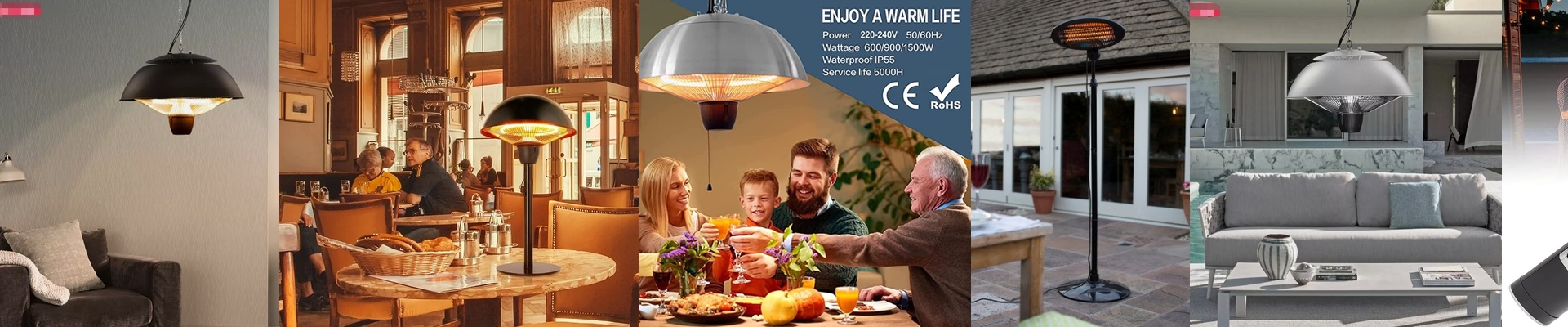
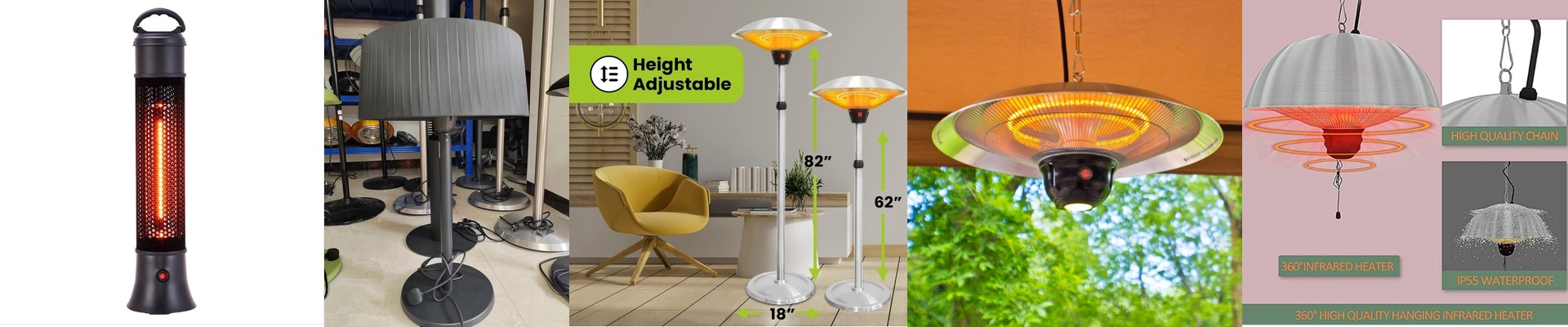

On a workshop floor, the cold isn’t just uncomfortable—it’s a productivity killer. Hands go numb, tools feel awkward, and concentration goes out the window when the heat doesn’t show up on time. A heater that sputters or quits mid-job doesn’t just cost minutes. It breaks your flow, compromises safety, and erodes confidence in the gear. That’s why we don’t cut corners on testing. Before any workshop infrared heater earns our name, it spends time in punishing humid heat aging tests.
What’s under the hood
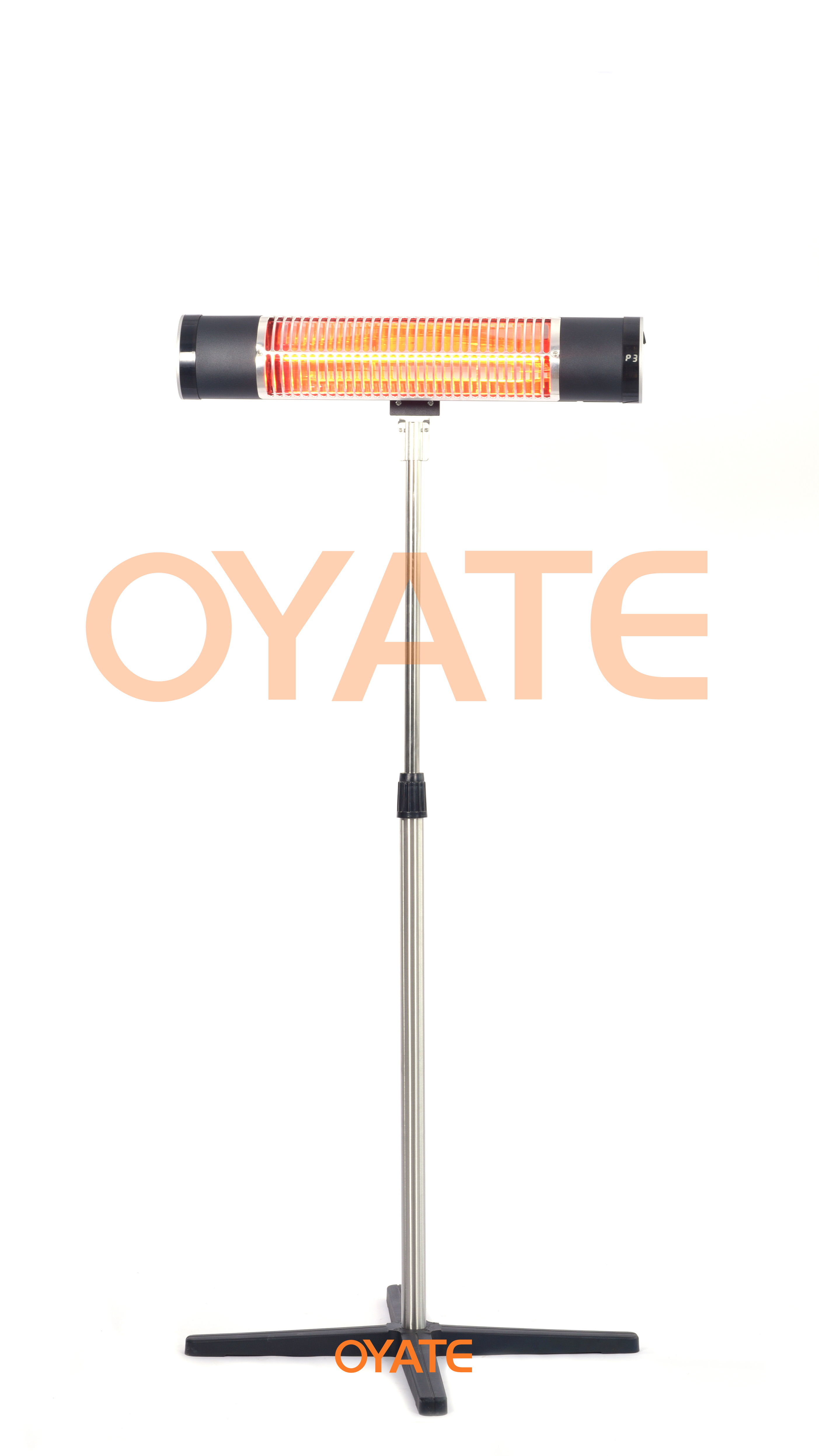
This unit delivers radiant warmth with a short-wave infrared quartz element. It heats people and surfaces directly, not the air around them. The payoff is fast, directional heat that you feel the moment you step into the beam. Rated for 120V, it’s wired with industrial-grade components and wrapped in a rugged steel housing—built for steady cycles, not weekend-only duty. The reflector focuses the output where you need it, and a standard plug keeps installation straightforward.
Why humid heat aging matters
Workshops are rough on equipment. Moisture, dust, and long hours all push components to the edge. So we run each heater through extended exposure in a controlled humid environment and watch for drift in output, weak joints, and early fatigue. Units that clear the test hold steady on output, keep a consistent color temperature, and shrug off condensation-related stress. For you, that translates to fewer interruptions, more consistent comfort, and lower maintenance costs over the long haul.
Practical realities
Here’s the thing: this heater warms people and workpieces with focused infrared warmth, but it won’t raise the ambient air temperature in large, open spaces. Place it to hit work areas and operator positions, and keep the clearances clear. The housing is tough, but it still needs proper ventilation. No fully enclosed showers or saturated steam environments. Match the circuit to the load, and when the job site is damp, pick the model that’s rated for those conditions.