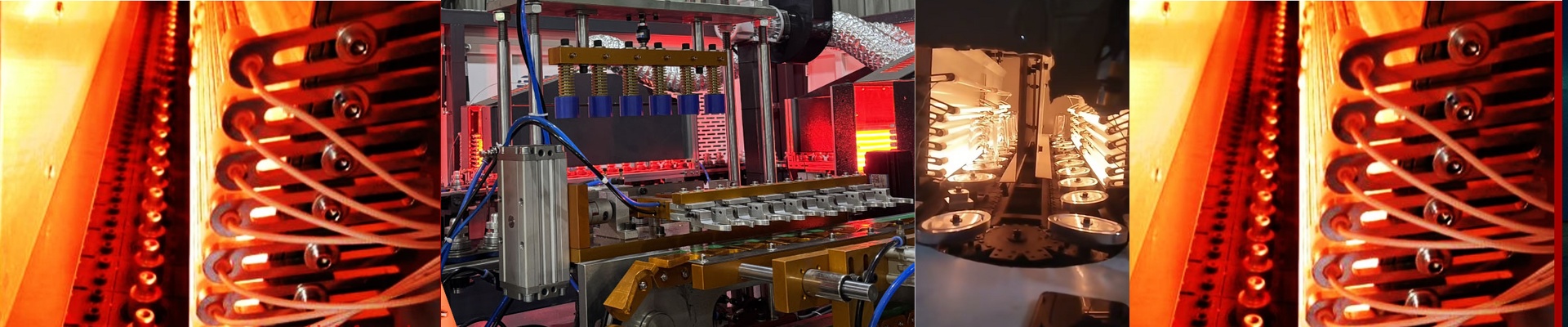
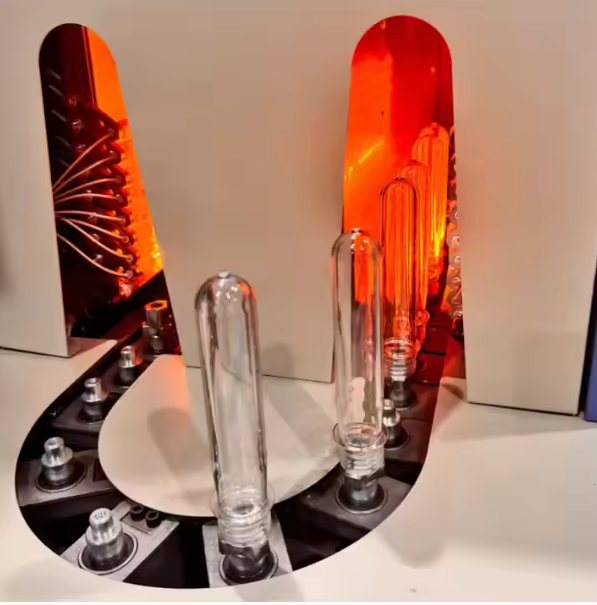
On the line, the Sidel Matrix heating tunnel is where the pressure hits. When the infrared emitters start drifting, preforms underheat. Then you’re staring at weak bottles, scrap, and an abrupt stop. Reactive troubleshooting eats hours—diagnostics, chasing the right spares, and re-tuning again and again. What we focused on, technically We built direct-fit replacement heaters for the Sidel Matrix that match the original thermal profile. Medium-wave infrared output, tuned for PET preform heating. Stable quartz envelopes. And the correct R7s connector geometry. Power density follows the OEM zone layout, so you get repeatable heating across the tunnel without re-mapping the whole oven. Each unit lands on the same voltage, wattage, and mounting footprint—drop it in, no panel mods. Why this plays in a real plant The numbers are straight off the line. After swapping out aging halogen/quartz emitters, most plants cut unplanned oven-related downtime by 30–40%. Scrap tied to temperature drift drops by 20% or more. Energy use falls too—emitters hit setpoint faster and hold it steady, so you’re looking at around 10–15% lower oven energy draw on average. Fewer emergency changeouts also mean less spare inventory and less overtime for the techs. The install details that matter It’s straightforward, but the oven is a harsh place. Confirm power is off and the zone is cool before you swap. Even a short-cycle job can crack quartz if the emitter takes thermal shock. Keep reflectors clean and aligned—misalignment scatters heat and can wipe out the gains from the new heater. And double-check the connector type and polarity. Get that wrong, and you’ll see hot spots.