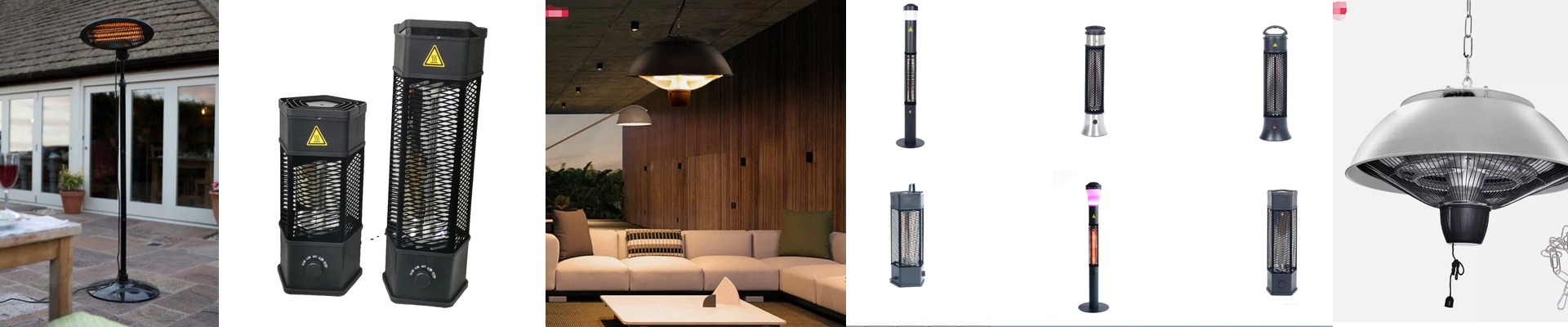
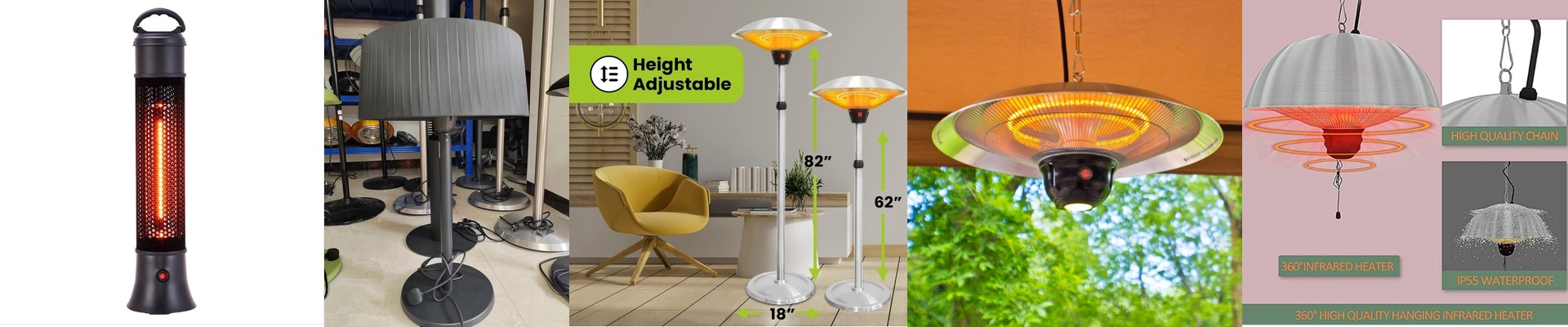
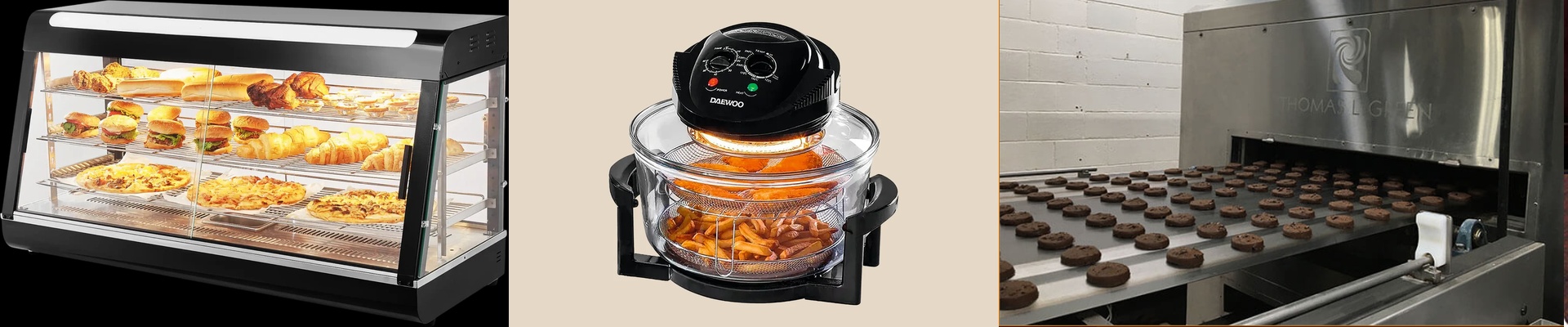
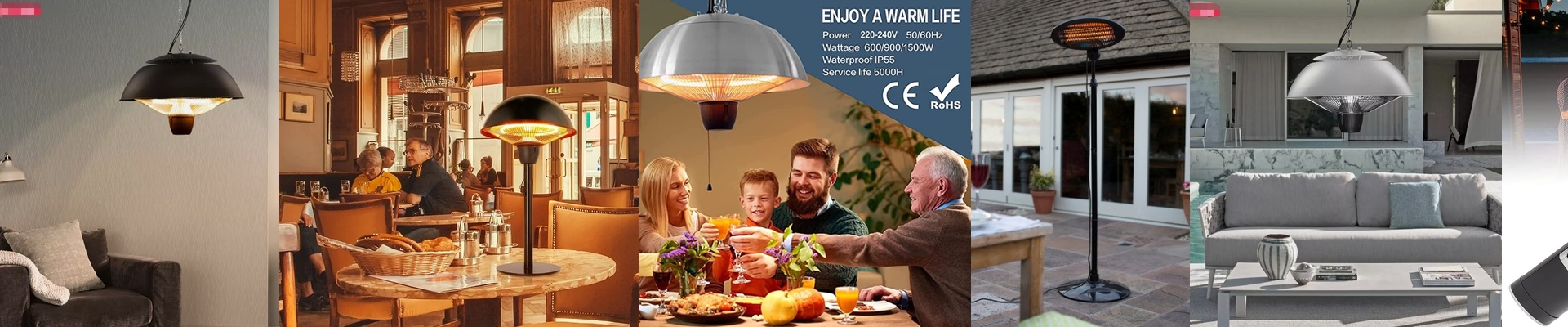
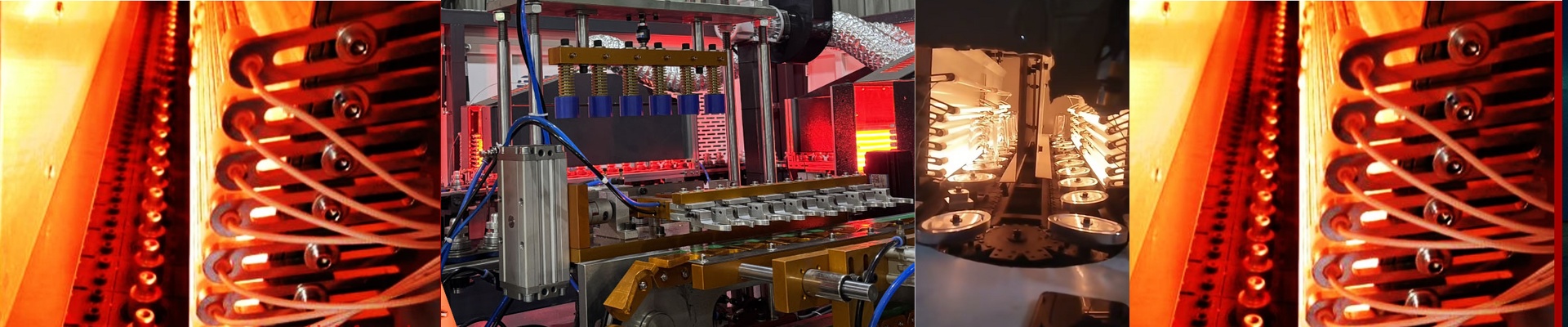
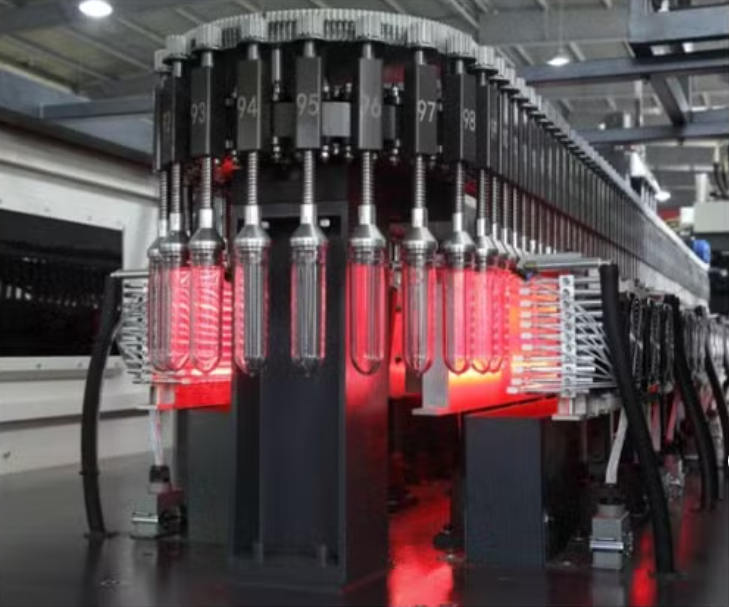
The heating tunnel is where your blow molder either keeps its word on output—or it doesn’t. Run preforms cool and you’re chasing under-stretched bottles and wall thickness that’s all over the map. Let the lamps be inconsistent and you get drift, and drift means scrap. Add emergency lamp changes, the minutes lost every time the line stops, and the energy you pay for without getting production in return, and it’s clear: the heating section is the bottleneck you can’t afford to ignore. We built PC preform infrared oven lamps to tackle that constraint head-on. They’re direct-fit replacements for the infrared emitters used in PET stretch blow molding, engineered to match the thermal profile and electrical interface your heating tunnel expects. If your plant runs Sidel, Krones, SIPA, Husky, SACMI, or Nissei ASB blow molders, this is the kind of upgrade that shows up as uptime, repeatability, and a lower cost per thousand bottles.
What matters, technically
Infrared heating for PET preforms is about controllable heat transfer, not just raw power. The objective is fast, repeatable surface heating with tight band control so the preform hits the mold at the right temperature—every cycle.
- Infrared spectrum tuned for PET: We set the emitter output to match PET absorption, so the energy goes into the preform surface efficiently instead of heating the air around it. That means quicker warm-up, shorter soak time, and less temperature drift down the heating tunnel.
- Quartz envelope for stable output: The quartz tube holds consistent performance through rapid on/off cycles. That matters when you’re running short cycles and need the lamp behavior to stay steady, shot after shot.
- R7s connector, standardized mounting: The R7s base is the de facto interface on most blow molder heating sections. We hold dimensions and pin engagement to production tolerances so the lamp seats squarely and stays aligned as it thermally expands.
- Voltage and wattage matched to OEM lanes: The lamps are spec’d to the common lane voltages and power densities used across blow molders. Matching the lane electrical profile keeps the heating profile stable and prevents hot spots or weak zones.
- Fast-start performance: Infrared emitters hit operating temperature quickly. That translates to faster recovery after a short stop and less time spent in warm-up when you restart the line.
- Long life under real-world cycling: We design for long service life with repeated start/stop and thermal cycling, because production means switching lamps frequently. Expect consistent output over thousands of hours, with stability that keeps the heating curve flat.
Why it works where it matters
On the blow molding floor, the heating section sets the pace you can run without sacrificing quality. As lamps age, output drops and the heating curve drifts. The usual response is to slow the line, crank up temperatures, or add more lamps—then you pay in energy, scrap, and maintenance hours. PC preform infrared oven lamps cut through that.
- Fewer unplanned stops: Reliable lamps mean fewer emergency stops. When one does fail, you swap it fast with a unit that matches the existing mounting and wiring—no re-engineering, no custom brackets, no long troubleshooting.
- More stable preform temperature: Tighter lamp-to-lamp consistency keeps surface temperature inside the window that gives uniform stretch and consistent bottle weight. That shows up as fewer rejects and less material waste.
- Faster recovery after stops: Short stops happen. Infrared emitters come back to temperature quickly, so you can restart the line and get back to spec sooner. Minutes saved add up across shifts.
- Predictable energy use: Efficient infrared transfer means you’re heating the preform, not the air. When lamps match lane power and the heating profile is stable, you stop overdriving the section to compensate for aging lamps.
- Drop-in compatibility across major machines: These lamps are built to fit existing heating tunnels on Sidel, Krones, SIPA, Husky, SACMI, and Nissei ASB machines. That lets you standardize on one lamp family, simplify spares, and cut training time for maintenance.
What to watch for
A good replacement lamp is straightforward to specify and install, but there are real-world constraints.
- Start with the label: Verify lane voltage, wattage, base type, and overall length against your machine’s lamp spec. Even small mismatches in length or power can shift the heating profile.
- Clean reflectors every lamp change: Reflectors drive uniformity. If they’re coated or pitted, the lamp will behave differently even if it’s correct. Replace or clean them as needed, or the heating band will drift.
- Handle with care: Quartz handles heat well but is brittle mechanically. Avoid contact with oils and use clean gloves. A fingerprint baked onto the surface can create a hot spot and shorten lamp life.
- Alignment is non-negotiable: Make sure the lamp is seated squarely in the R7s socket and aligned in the holder. Misalignment changes distance to the preform path and can cause uneven heating.
- Thermal cycling wears lamps out: Frequent stops and starts stress the filament and connections. If scheduling allows, group short stops to reduce cycling and you’ll stretch lamp life. If you want higher uptime, fewer heating-related defects, and a maintenance routine that stays predictable, PC preform infrared oven lamps are a practical move you can make now. Spec them to your lane, fit them into the existing tunnel, and let the heating section run the way it was designed to run.