Fast-Response Stainless Steel Radiant Heaters: Getting Your Cabinet Disinfected in Seconds
You know that feeling when you need to disinfect a cabinet, right now, and the usual heating elements just drag their feet? Standard stuff can’t keep up with the need for instant, searing heat. So, we built a fast-response stainless steel radiant heater. It hits the target temperature in seconds. What used to feel like a scramble is now a smooth, repeatable process.
The Specs That Make It Tick
Let’s talk power. This thing runs on a 400V supply, pulling the current it needs to crank up the heat fast. With 2500W of output, you get serious heat density packed into a small space. And the 300mm length? It’s the perfect size to cover the full width of a standard cabinet, so you don’t get those annoying cold spots. It’s a one-two punch for immediate sterilization. But here’s the thing—because it delivers that kind of thermal punch, your cabinet’s cooling and wiring need to be ready for this level of high-load work, non-stop.
The Inside Story: How It’s Built
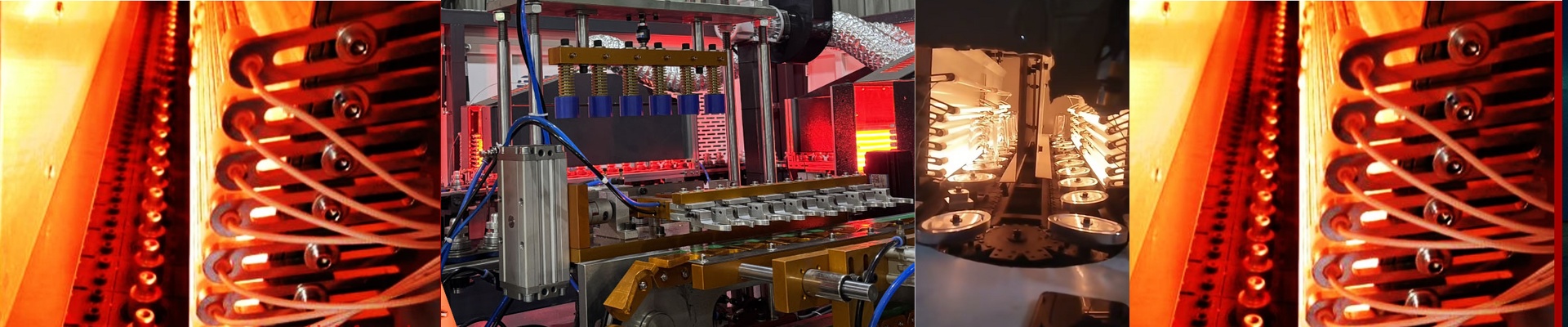
The heart of the heater is a quartz tube with a halogen fill. This combo keeps the filament steady, even when things get seriously hot, and blasts infrared energy straight onto the surface you need to treat. Then, we wrapped it in a stainless steel housing. It’s there to protect the tube, give the whole thing a rigid backbone, and stand up to warping and corrosion, even in a humid mess. And for the connection? We went with an R7s connector. It’s simple, tough, and handles the current safely. You wire it in once, and it stays put. No wiggling, no drifting.
Real-World Performance, for People Who Build Things
In the world of cabinet disinfection, seconds matter. This radiant heater hits operating temperature almost instantly, wiping out the waiting time that slows everything down. The infrared heat goes straight to the surface, warming it evenly and completely. That means you don’t have to worry about those hidden cold zones where pathogens could survive. The stainless steel build can take a beating in wet, hot conditions, and its compact shape slips into tight spots without a fight. You get extreme heat the moment you need it. Just make sure your cabinet insulation and thermal management are up to the task.