How Infrared Mirror Heaters Use Spectrum Tech to Keep Bathroom Mold Away
We make bathroom mirror heaters that do more than just warm the room. The heart of it is an infrared heating lamp, built to deliver focused, radiant heat while helping you control humidity. This isn’t a bonus feature. It’s the natural result of smart spectrum-based physics and components that can take the wet without complaining.
Power, Voltage, and Size—Kept Simple
Our infrared bathroom heaters run on standard mains voltage, usually 220–240V, and the power is matched to the room size and how it’s mounted. A typical setup is 2500W in a 300mm tube. That packs serious heat into a small footprint. Because it’s concentrated, we plan the wiring, switch rating, and clearances right from the start. No guesswork. And here’s the part that makes a difference in everyday use: radiant heat warms surfaces and people directly, instead of just heating the air. So you feel warm faster, and you don’t rely as much on noisy, uneven convection. The catch is that the heat is focused, so placement matters to keep nearby materials comfortable.
Materials and Design—Built for the Bathroom
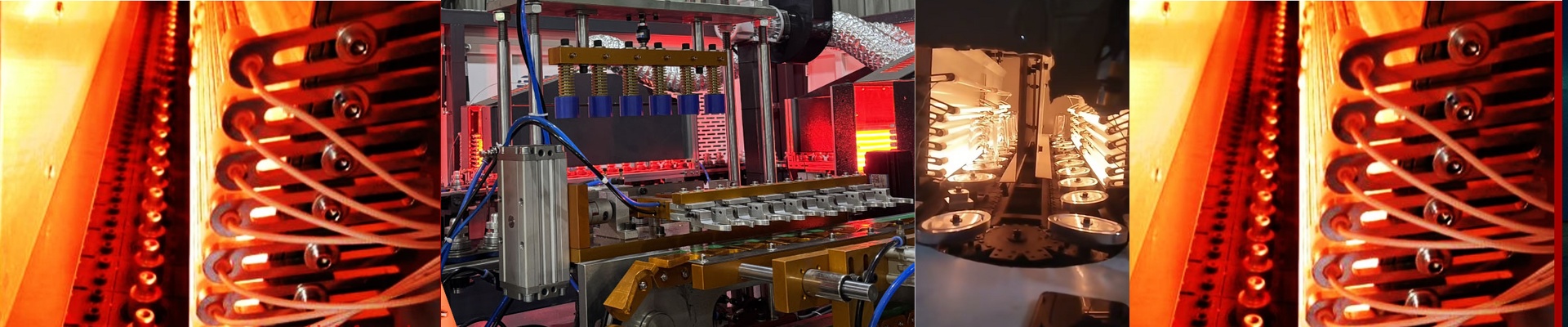
We use a quartz envelope because it can handle high filament temperatures and won’t crack when things heat up fast. Inside, a halogen cycle keeps the filament stable, so output stays consistent over the life of the lamp. The tube has a reflective coating that pushes infrared energy forward, giving you more usable intensity where you need it. For installation, we choose tough connectors like R7s and SK15. They hold contact securely and align properly in tight fixtures, which helps prevent hot spots from a poor fit. And in wet areas, sealing at the ends is essential—our end caps are built to keep moisture out and stop premature burn-out.
What It Feels Like: Warmth That Helps You Breathe Easy
In a bathroom, the real issue isn’t just cold. It’s the endless cycle of steam, condensation, and dampness that invites mold. Our infrared mirror heater cuts into that by warming cold surfaces, which reduces the temperature gap that causes condensation. The lamp’s spectrum brings shortwave intensity that speeds up drying on mirrors, tiles, and grout. It doesn’t replace ventilation—but it teams up with it. After a shower, things dry faster. Wet patches show up less. The whole microclimate feels more stable. That means fewer conditions that mold loves, and a straightforward upgrade engineers can specify for existing mirror-mounted heating points.