Stopping the “Cold Spot” Headache in KHS Blowing Systems
Ever pull a batch of PET bottles off the line and realize the walls are thin in some spots and thick in others? It’s frustrating. Usually, it happens because your KHS heating is acting up—maybe the lamps are getting old, or the heat just isn’t hitting where it needs to. Most people think the answer is just popping in a new bulb. But it’s actually a bit deeper than that. It’s about making sure the infrared light actually “talks” to the plastic.
Getting the Heat Right
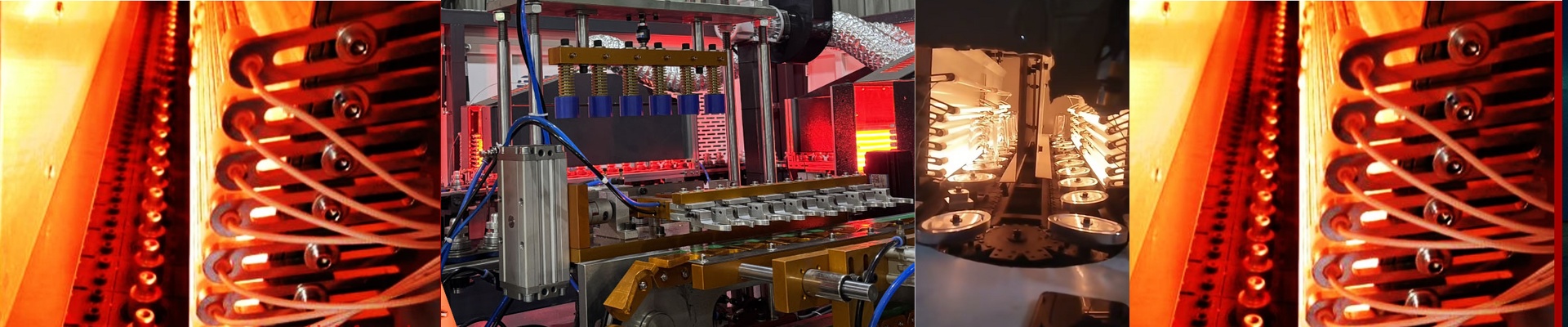
We’ve spent a lot of time tweaking our quartz halogen lamps to kill off those annoying cold spots you get with cheap tubes. The secret is in how we wind the filament and the purity of the quartz. We make sure the heat flows steadily from one end to the other. That way, you don’t end up with a preform that’s melting in the middle while the neck and base are still freezing. It just works.
The Hardware Side of Things
You don’t need to rewire your entire machine to use these. They’re simple drop-in replacements. Whether you’re using R7s or SK15 connectors, they slide right into your existing sockets. No hacking, no modifications. One quick heads-up, though. We’ve tuned these for high heat density. If you decide to jump up to a higher-output lamp, keep an eye on your cooling fans. More heat in the bottle means more heat in the air, and you don’t want your electronics cooking themselves because the ventilation can’t keep up.
What This Actually Does for You
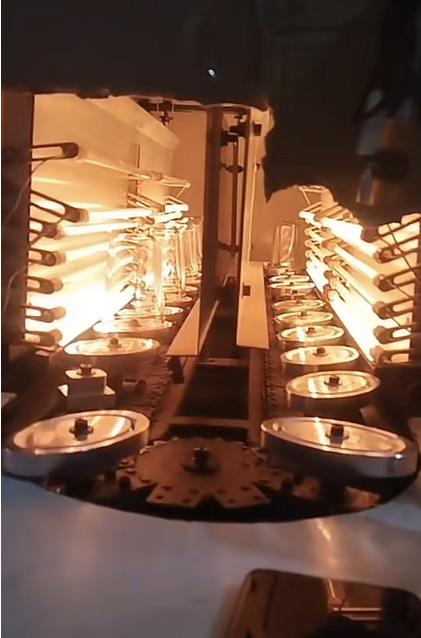
On the floor, this feels like a tighter, more aggressive heat window. You’ll notice you don’t have to wait as long for the plastic to hit the right temperature, which means you can shave time off your cycle. Plus, we added specialized coatings that push the heat forward. Instead of wasting energy warming up the machine frame, the heat goes exactly where it belongs: into the plastic. It’s more power, less waste, and a lot fewer rejected bottles.