Introduction
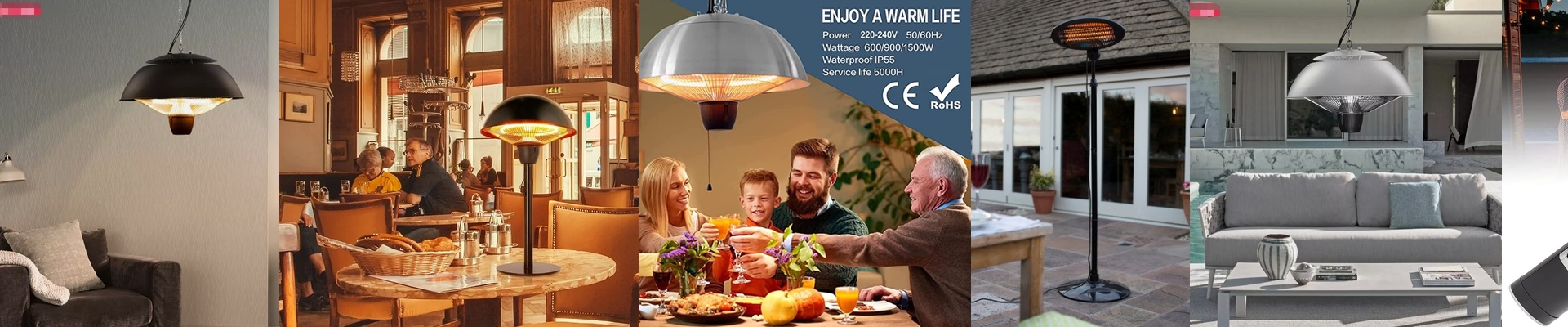
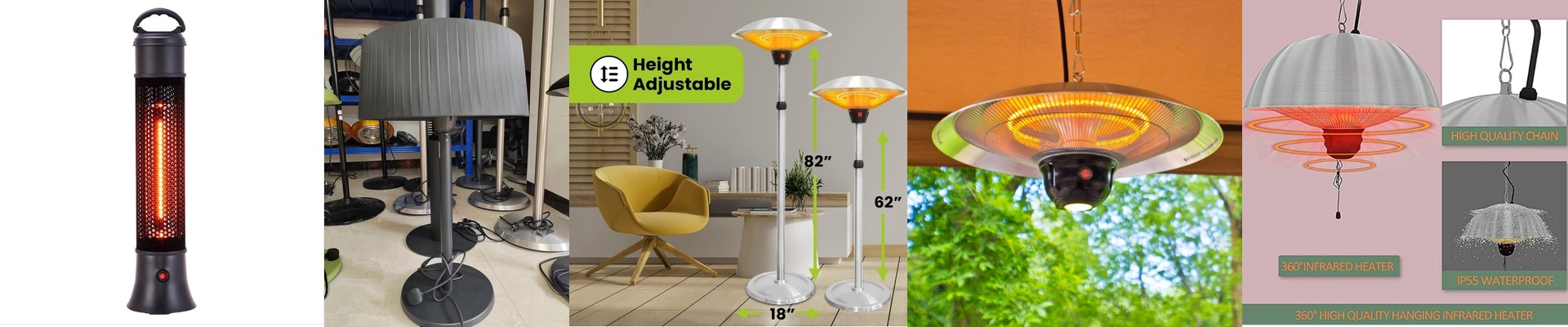
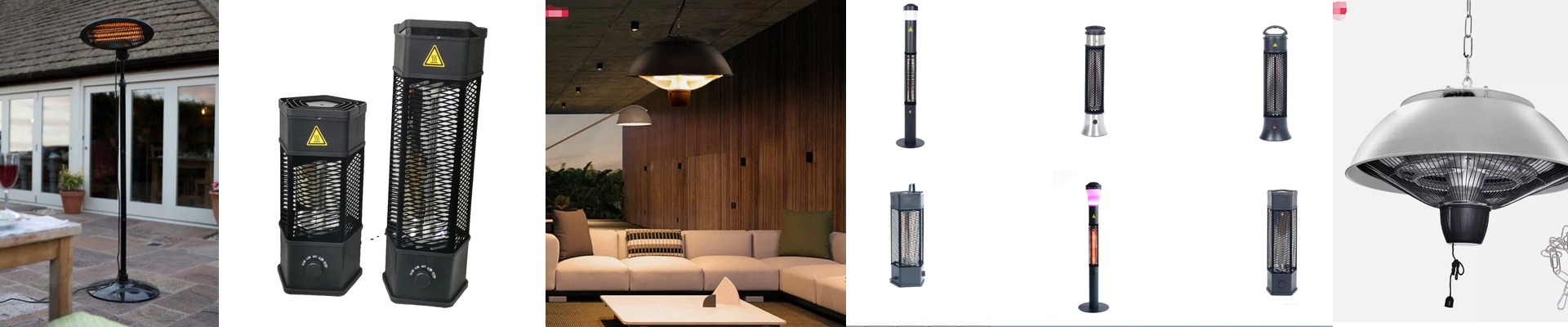
We make waterproof infrared table heaters for one simple reason: bathrooms are brutal. Steam, humidity, the constant cycle of hot and cold—it’s rough on anything electronic. So we didn’t build a lamp. We built a sealed heating unit that can take the moisture without blinking. And that means our aging tests aren’t some optional extra. They’re non-negotiable. Part of the way we build, period.
Power and Environment: Heat That Actually Works
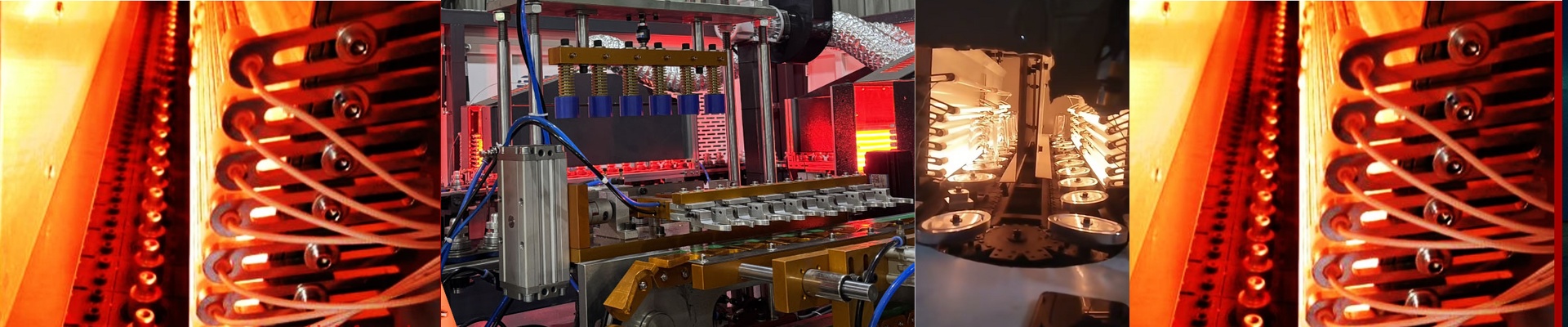
Inside, we use a high-output halogen element designed to throw focused infrared heat. It comes ready to run on standard industrial voltages, so it plugs straight into what you already have—no custom transformers, no extra hassle. The wattage is tuned for one thing: immediate, high-density warmth. Not slow, drafty convection. It’s direct heat, and it’s fast. But direct heat comes with a reality check: the unit runs hot. So we design the fixture and the mounting hardware to handle that temperature load from the start. No guesswork. No surprises.
Material & Design: Sealed Like It Should Be
If a bathroom heater is going to survive, the build has to be honest. We use a quartz envelope because it handles sudden temperature shifts better than glass and delivers infrared efficiently. And the waterproof seal? It’s not just a gasket. It’s a fully sealed joint that blocks moisture at the base and around the terminals. Connections matter, too. We use direct-wire, high-temperature-rated hookups to cut out weak points. No flimsy sockets to corrode. No parts that melt when the heat is on. The whole front end is one solid, engineered unit.
Why We Age Them Hard: The Test That Matters
Here’s the thing—we don’t test in gentle conditions because bathrooms aren’t gentle. We run these heaters nonstop in high-temperature, high-humidity chambers, pushing them hard to compress years of bathroom duty into just a few days. That process exposes weak seals, terminal corrosion, and early filament failure long before the product leaves our shop. For you, that means performance you can count on. You’re not buying a promise. You’re buying a unit that has already taken the beating. The payoff is simple: it starts fast, stays dry inside, and holds steady output. It’s a drop-in workhorse—built to work, not to demand attention.