Getting AI Bakery Ovens to Actually Behave
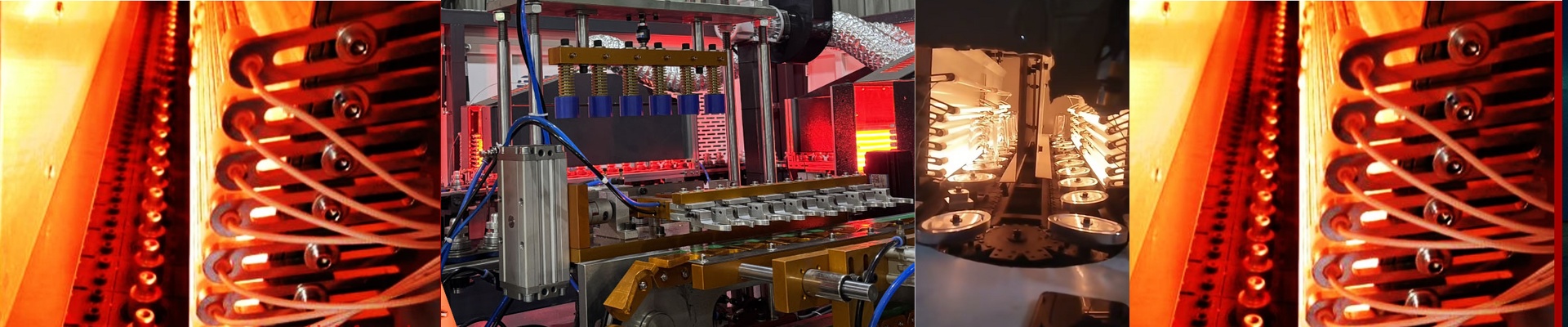
Old-school thermostats just aren’t cutting it anymore. If you’re building a smart kitchen, you need heat that actually listens to your sensors in real-time. That’s why we use 250W ceramic infrared heaters. Most ovens just move hot air around—which is slow. These emitters are different. They shoot infrared energy straight onto the food. It’s direct. It’s fast. Why 250W? It’s all about the balance. At 250W, you get enough punch to cook the center of the bake without torching the outside. But here’s the real win: ceramic has a very predictable “thermal inertia.” In plain English? When the AI tells the power to stop, the heat actually stops. You don’t get that annoying “overshoot” where a heavy metal element keeps bleeding heat into your bread long after the timer hits zero. Built for the Chaos of a Kitchen Bakeries are brutal. It’s hot, it’s humid, and things get messy. We use high-purity alumina ceramics because they can take that kind of beating without cracking. And since smart ovens are usually packed tight with electronics, we don’t do “one size fits all.” We can tweak the dimensions to fit those awkward, narrow gaps between your oven walls and the racks. To make the “smart” part work, we wire these for PWM control. This lets the AI flicker the power on and off so fast you can’t even see it, keeping your temperature steady within ±1°C. It’s incredibly precise. The Catch Now, you can’t just plug these into a basic mechanical switch and expect magic. You need a decent control board to handle the heavy lifting. Also, keep an eye on your spacing. Because the heat is so focused, putting the heater too close to the dough will give you burnt spots. You’ve got to find that sweet spot in the distance to make sure every loaf on the tray comes out looking the same.