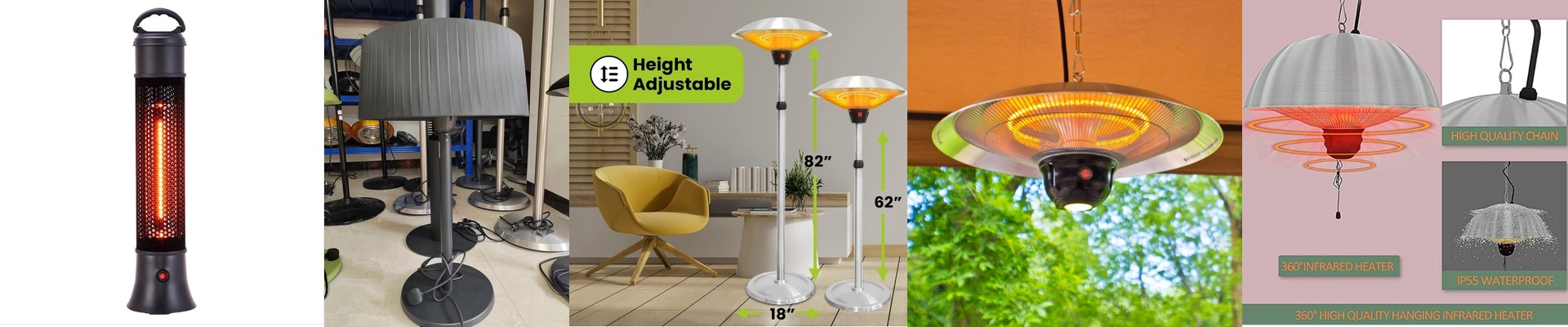
Getting that Perfect Crust: Why Your Heater Actually Matters
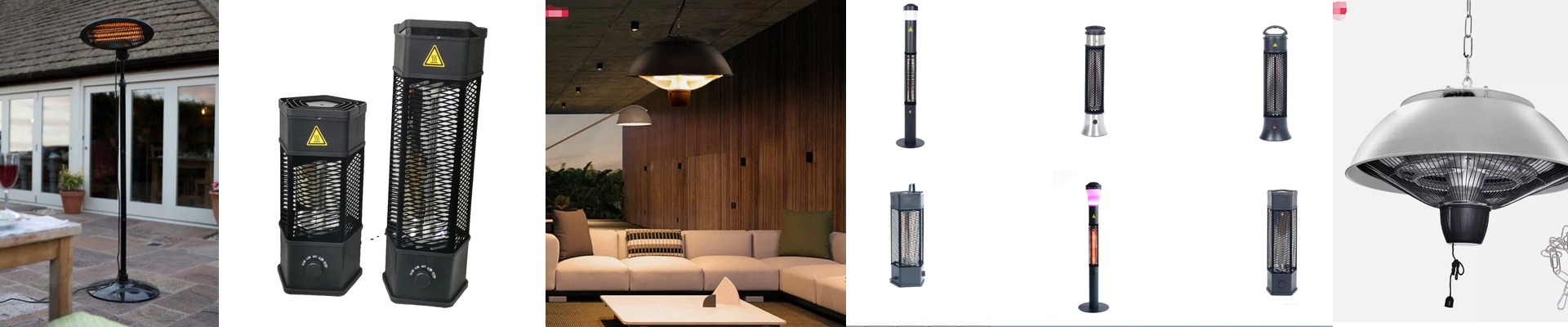
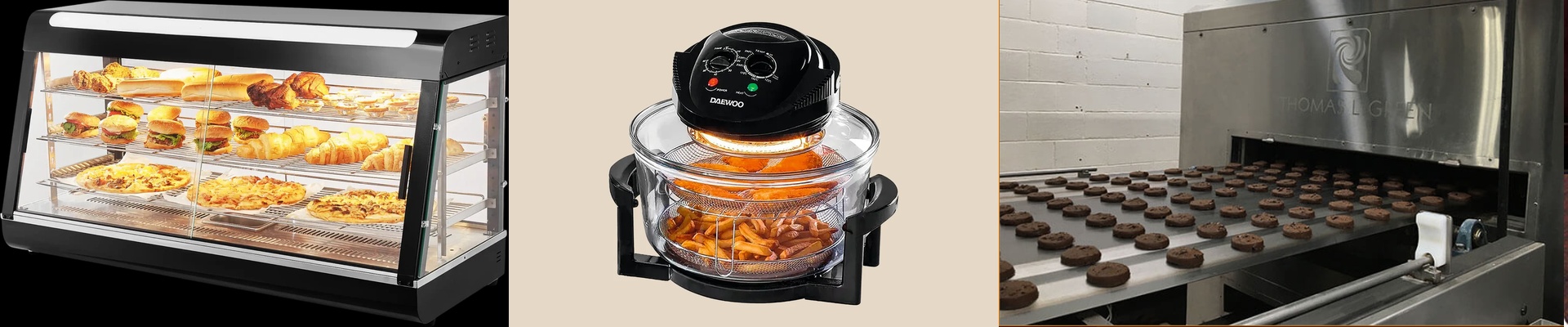
Getting a steam oven to hit that sweet spot of caramelization isn’t just about cranking up the heat. It’s about timing. You need a heater that can jump to a high temp in seconds but knows exactly when to stop so you don’t torch your food. To make that happen, we use nichrome heating elements tucked inside high-grade ceramic. It sounds technical, but here is why it actually works.
The Secret Sauce: Nichrome and Ceramic
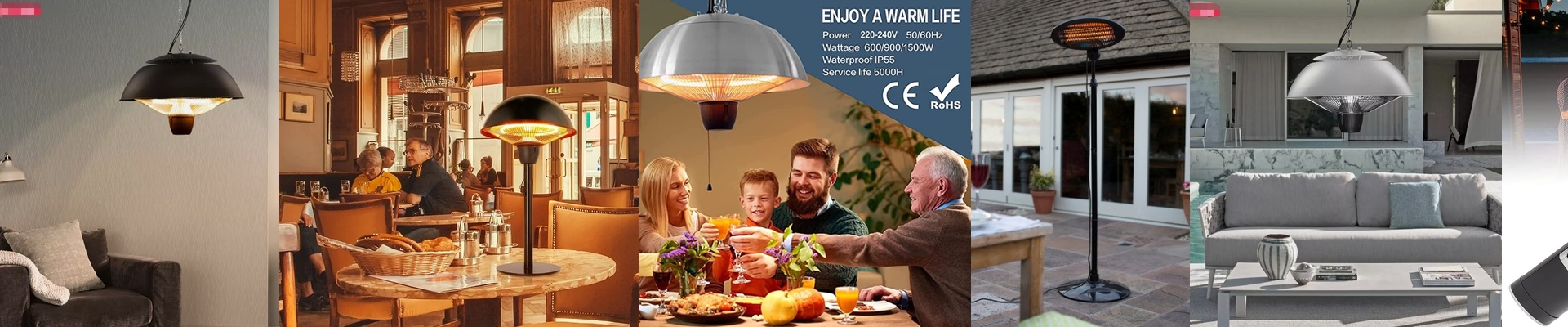
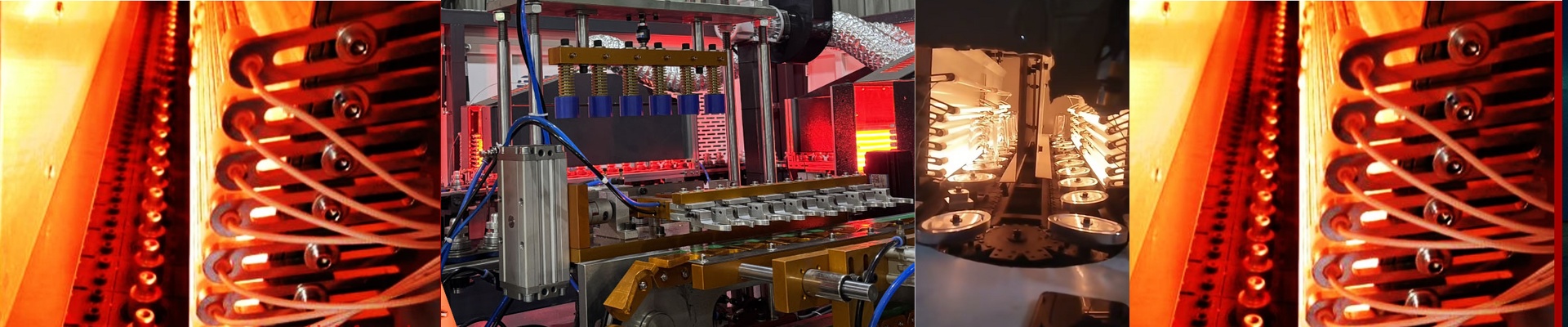
Nichrome is the old reliable of the heating world. It builds up its own protective layer, which means the wire won’t just burn out when you’re pushing it hard. But the real magic is the ceramic it’s embedded in. Think of the ceramic as the bridge. It keeps the nichrome safe from all that corrosive steam while letting infrared heat hit your food directly. The result? Almost zero lag. When the controller says “heat up,” it happens. Right now.
Nailing the Maillard Reaction
If you’re looking for that deep gold char or a crisp Crust, you’re chasing the Maillard reaction. That usually happens between 140°C and 165°C. It’s a tiny window. If your heater is sluggish, you’ll miss it entirely. If it overshoots, you’ve got a burnt mess on your hands. Our ceramic heaters are built for high power density, which lets you make adjustments on the fly. You can spike the heat to flash-sear the outside, then drop it instantly so the inside stays juicy.
A Few Warnings on the Setup
Here is the catch: these heaters pull a lot of power. You can’t just plug them into some cheap, off-the-shelf circuit and hope for the best. I highly recommend using solid-state relays (SSRs). They handle the rapid switching much better. Also, keep an eye on your PID controller. If it isn’t tuned to the specific way ceramic holds heat, your temperature will bounce around. And trust me, if your temps are oscillating, you’re going to ruin the batch. Get the tuning right first.