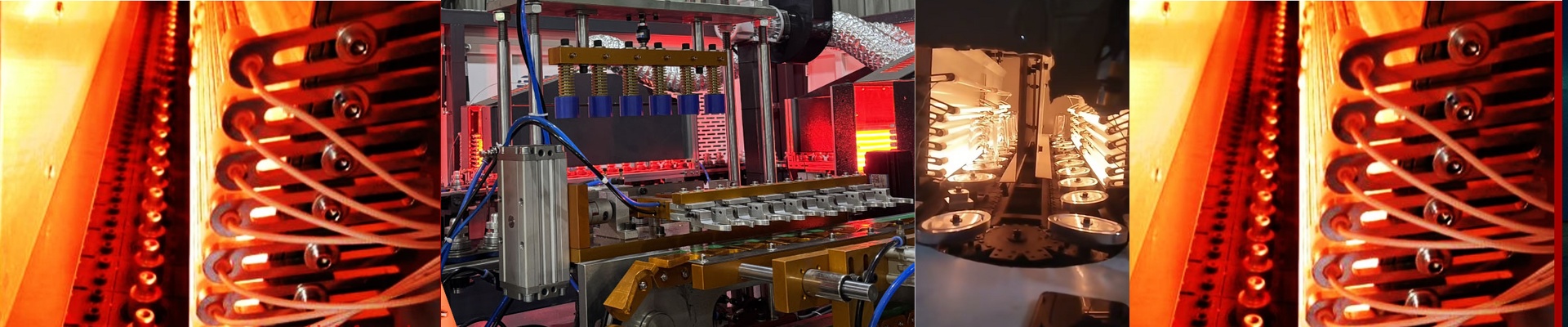
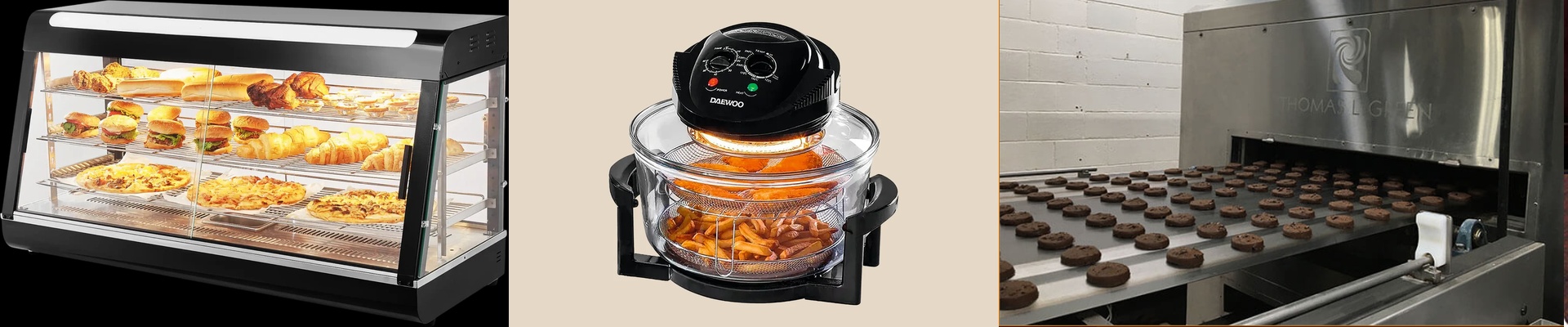
Ever pull a tray of pizzas or loaves out of the oven only to find some are perfect and others are barely cooked? It’s frustrating. Those “cold spots” in a deck oven aren’t just a nuisance—they’re a waste of money and ingredients. Most ovens try to heat the air first, and then the air heats the food. But we do things differently. We swap out those standard heating elements for high-precision infrared (IR) ones. Here is why that actually matters: IR doesn’t mess around with the air. It sends energy straight into the dough. It’s like the difference between standing in a warm room and feeling the sun hit your skin on a cold day. The heat penetrates the surface evenly, so you get a consistent crust across the entire deck, every single time. The best part? These are drop-in replacements. You don’t need to rebuild your whole kitchen. But a quick heads-up on the technical side: these elements pack a punch to make sure your oven bounces back quickly after you open the door. Because of that, you need to double-check your wiring and contactors. If your wires aren’t rated for the peak current, they’ll fry. Commercial kitchens are brutal on equipment, and under-spec’d wiring just won’t survive the constant cycling. We also spent a lot of time figuring out how to stop “hot striping.” You know those annoying burnt lines on the bottom of your bread? We’ve dialed in the materials to get rid of those. Just keep one thing in mind: there’s a trade-off. Higher heat density means you can bake faster, but it puts more stress on the quartz or ceramic housing. Keep them clean. Seriously. If grease or carbon builds up on the tubes, or if oil splashes onto them, it creates a tiny hot spot. That’s how elements crack. Keep the footprint spotless, and your gear will last a whole lot longer.