Fixing the “Burnt Outside, Raw Inside” Problem with Thick Cuts
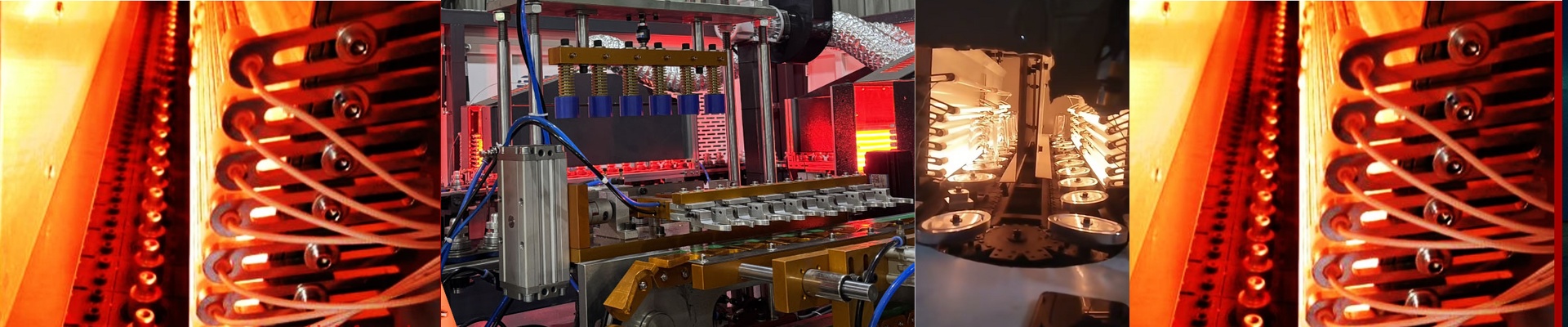
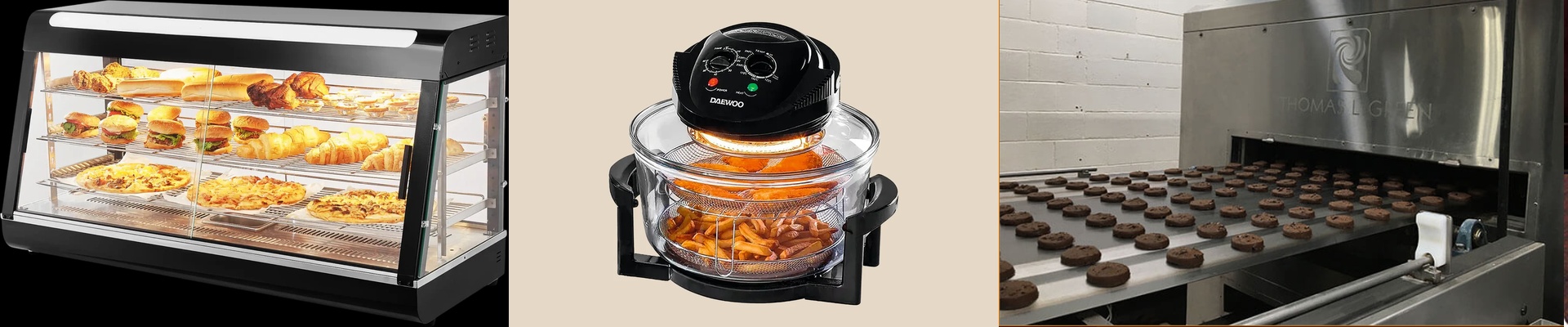
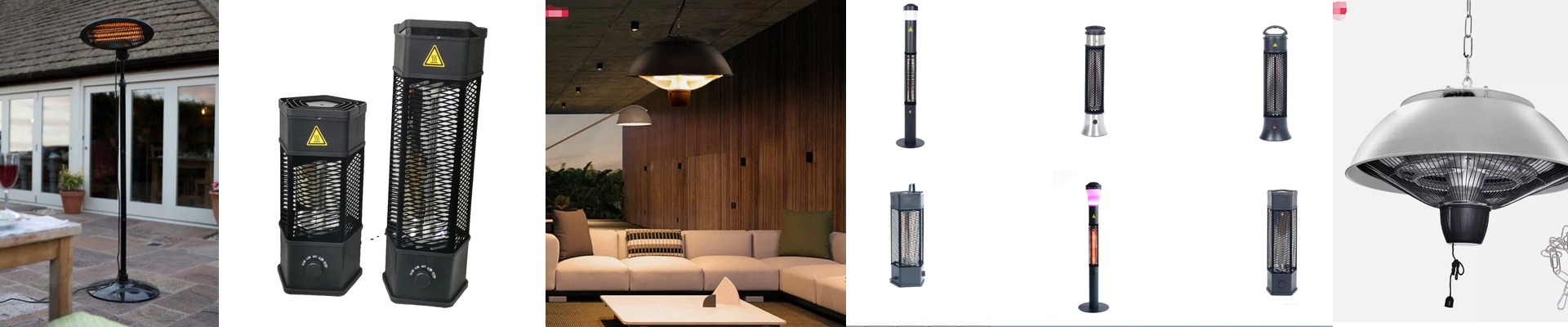
Anyone who’s tried baking a thick piece of meat knows the struggle. You crank up the heat to get a good sear, but by the time the center is actually cooked, the outside is basically charcoal. It’s frustrating. We found a way around this using short-wave infrared (IR) bulbs. Instead of just blowing hot air around the meat, IR radiation goes straight through the surface and hits the protein fibers deeper inside.
Getting the heat where it actually matters
Think of it this way: hot air is slow. It has to crawl from the outside in. That’s how you end up with that annoying “grey band”—that ring of overcooked, tasteless meat sitting between your crust and the center. IR energy is different. It gets the water molecules deep inside the cut moving. But you can’t just throw any bulb in there. You have to get the wattage and the surface area just right. Too much power and you’ll torch the surface in seconds. Too little, and you’re right back to square one.
Total control, zero lag
The best part about IR lamps? They’re instant. Most ovens take forever to cool down or heat up. With these bulbs, the second you cut the power, the heat stops. No lingering warmth, no surprises. To make this work, we use fast-response thermocouples and PID controllers. It’s basically a closed-loop system that watches the temperature in real-time. If you just used a simple timer, you’d probably overshoot your target and ruin the meal. This way, you can tweak things on the fly.
The messy side of the engineering
It’s not all magic, though. These bulbs put out a ton of heat. While the meat is soaking up the radiation, the rest of the oven chassis is taking a beating from the reflected energy. If you aren’t careful, you’ll fry your own control boards. That’s why we don’t mess around with the ventilation. You need heavy-duty cooling fans and solid shielding. It’s a bit of extra work on the build, but it’s the only way to keep the machine from melting itself.