Getting Your Oven Temps Right: Why Rapid-Response Lamps Actually Matter
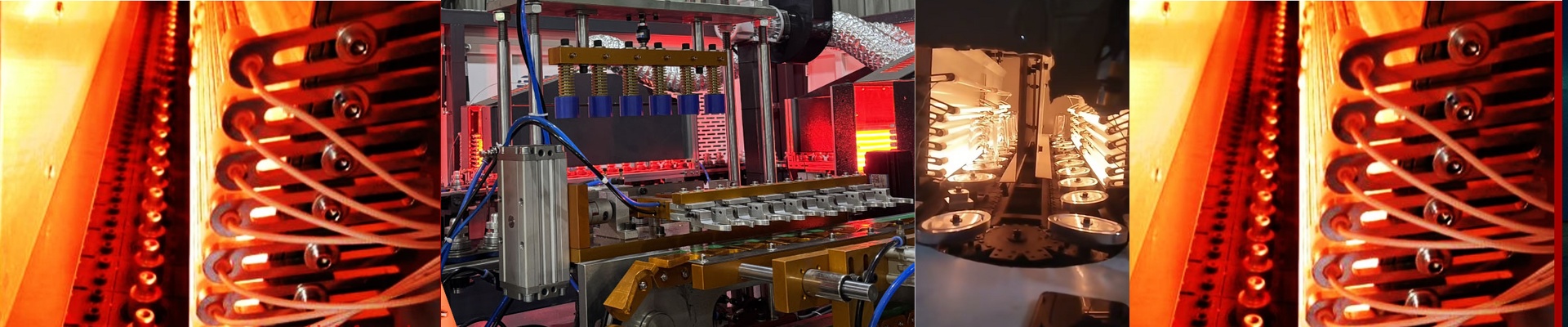
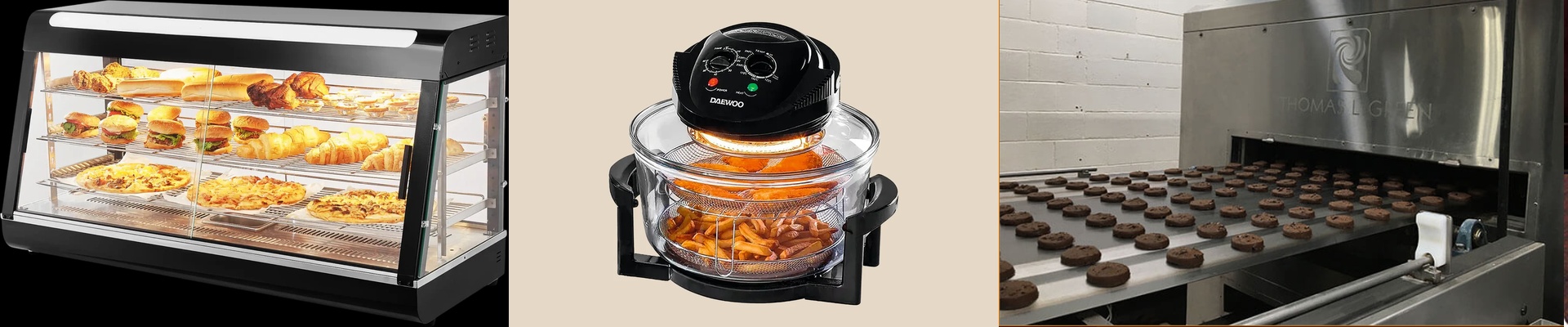
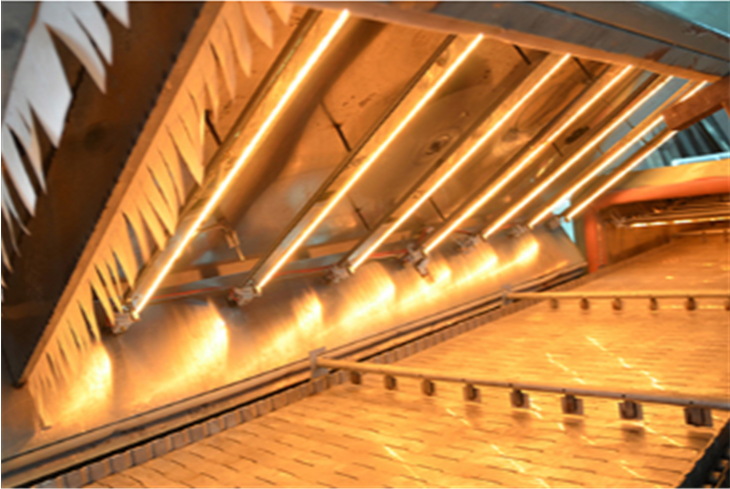
In a professional bakery, a single degree is the difference between a perfect golden crust and a batch you have to throw in the trash. It all comes down to how fast your heat reacts when the thermostat tells it to stop. For rotary ovens, that’s where short-wave infrared lamps come into play. The problem with old-school heating Most standard elements are just too “heavy.” They take forever to warm up and even longer to cool down. This creates a nasty habit called temperature overshoot—where the oven keeps pumping out heat even after it’s hit the target. We use halogen-filled quartz tubes because they’re basically instant. The second the controller cuts the power, the heat stops. No more “carry-over” heat burning the tops of your loaves while the middle is still doughy. The nitty-gritty on the hardware We spec these lamps for high wattage so the oven bounces back quickly after you open the door. You’ll usually see them wired with R7s or SK15 connectors. Why? Because in a rotating chassis, things shake. You need a fit that isn’t going to wiggle loose. One pro tip: we often use coated quartz. It changes how the heat hits the bread, pushing the warmth deep into the dough instead of just searing the surface. Just be careful with your power supply. If you’re on a 230V or 400V system, match your wattage exactly. If you push too much power through wiring that can’t handle it, you’re just going to fry your sockets. Real talk from the shop floor Here is the thing: because these lamps react so quickly, they can be a bit twitchy. If your PID controllers aren’t tuned just right, the temperature will start to swing up and down. That oscillation is a killer—it ruins the consistency of your crumb. And remember, quartz is fragile. If your rotary mechanism vibrates too much, don’t just hope for the best. Get some reinforced mounting brackets. It’s a lot cheaper than replacing snapped tubes in the middle of a shift.