Why Your Commercial Oven Needs Second-Response Infrared
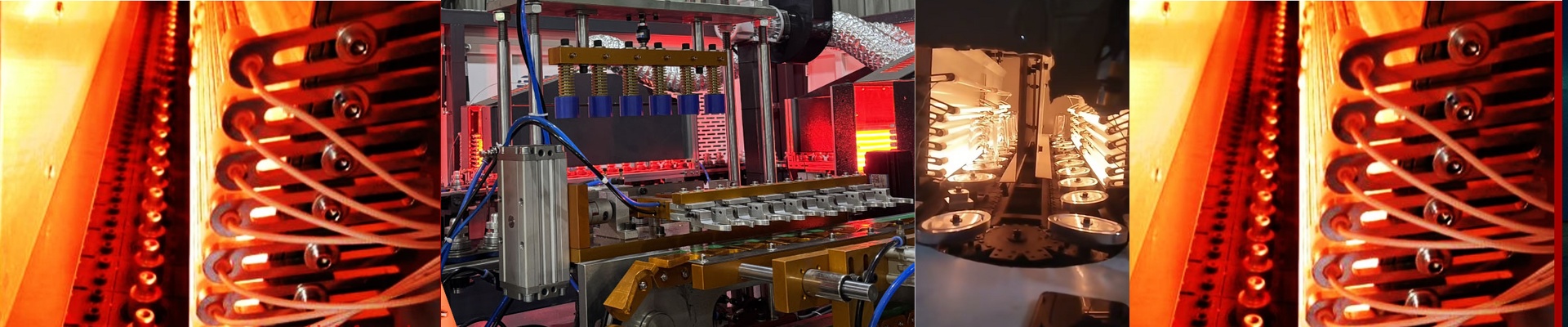
Most ovens work by heating up the air, and then waiting for that air to heat up your food. It’s a slow process. In a busy kitchen, that lag is a killer. We do things differently. We use ceramic-based infrared (IR) elements. Instead of warming the air, these shoot short-wave radiation straight into the food. It’s fast. Really fast. We call it “second-response” because the heat hits almost the second you flip the switch. You aren’t sitting around waiting for coils to “soak” or warm up. If you’re running a conveyor or a slammed grill, this is a huge win. You can push out way more orders per hour without having to buy more equipment or find more floor space in your kitchen. Here is the secret: the ceramic housing focuses all that energy into a tight, concentrated beam. You aren’t just getting “ambient warmth”—you’re getting a punch of heat exactly where it needs to go. But a quick heads-up on the electrical side. These elements pull a lot of power the moment they kick in. If your wiring is old or too thin for that initial spike, you’re going to fry your terminals. Just make sure your power can handle the load before you plug them in. The best part? You can usually just drop these right into your old resistive tube slots. They work with the controllers you already have. Just keep an eye on your settings. Because they react so quickly, they can overshoot the target temperature if your PID settings are too aggressive. You’ll want to tune those a bit so you don’t accidentally torch your dinner rush. One last thing:be gentle. Ceramic handles heat like a champ, but it’s brittle. If your crew is tossing heavy trays around and banging into the elements, they’ll crack. It happens. To save yourself the headache, throw some protective guards on them so they don’t take a beating during a chaotic shift change.