

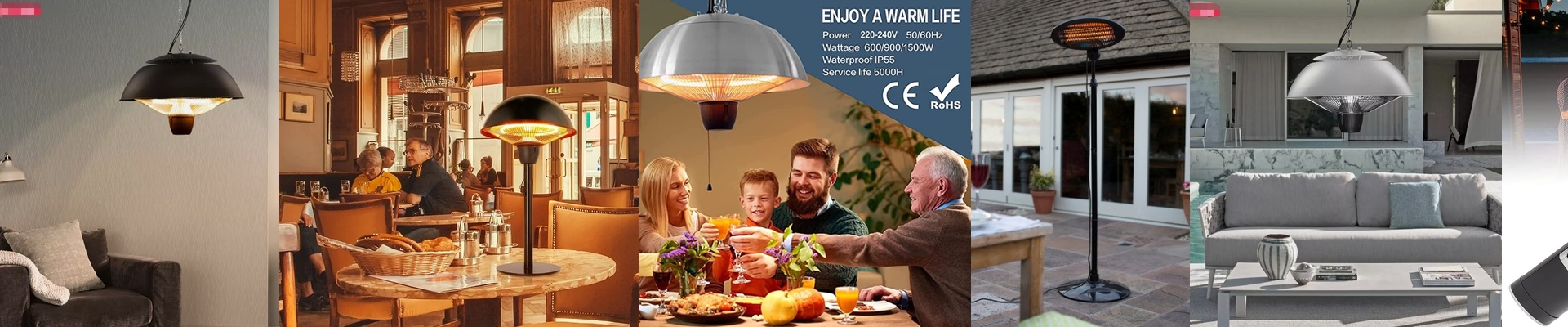
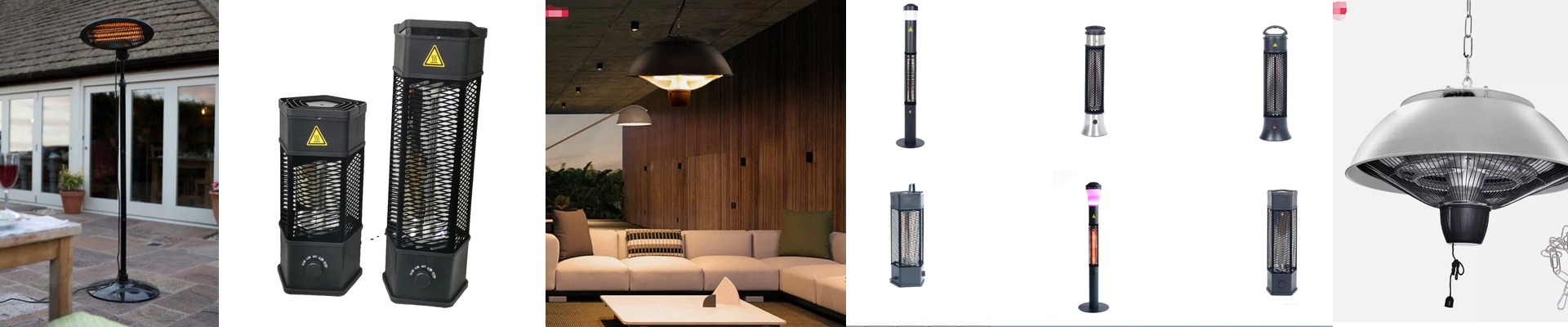
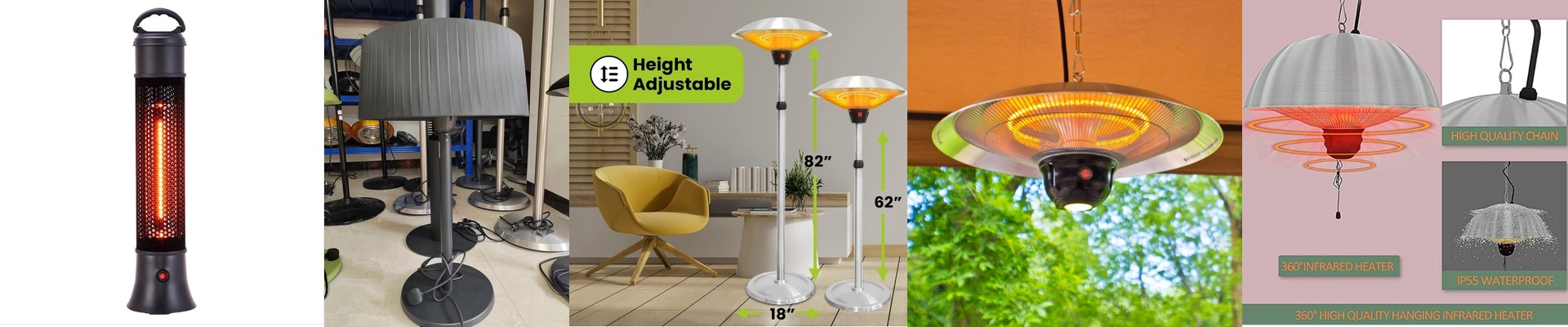

You know how it goes. The office thermostat hits 18°C, and that steady number doesn’t touch the cold that settles in your bones. Keyboards feel like blocks of ice, shoulders hike up around your ears, and focus just drifts away. It’s a quiet drain on productivity—and an open invitation for sniffles to spread. We built our infrared electric heaters to warm people, not just air, so the workday stays comfortable without the constant tug-of-war.
What actually matters under the hood
Infrared warmth is radiant. It travels in straight lines and heats surfaces and skin directly, the same way sunlight warms you through a window. Inside, we run a carbon fiber element in a sealed quartz tube. That gives you clean, even infrared heat with a fast response—full output within seconds of flipping the switch. The payoff is immediate comfort where people stand and sit, without waiting for the room air to turn over. These units are meant for office life: standard 230V plug-in models, low-noise operation, and a built-in thermostat to keep things steady. For safety, they include tip-over protection and overheat protection, and the housing stays cool to the touch—so you can place them near desks without creating a burn risk.
Why this fits an office
Comfort in an office isn’t just about the number on the thermostat. It’s about stable warmth that keeps circulation moving and muscles relaxed. Infrared heat helps people feel steady from the first morning meeting through the late afternoon push, which means fewer distractions and steadier output. Because the warmth is local and immediate, you don’t have to overheat the whole building; you can run the central system lower and target comfort where it counts. In practice, that often means lower energy use while staff stay warm. In winter, a consistent, gentle heat profile also softens the shock of moving between cold and warm zones. That helps reduce the stress that tends to show up with seasonal colds.
What to keep in mind
Infrared heaters warm what they “see.” Position the unit so it has a clear line of sight to desks and common areas, and don’t block the path with tall partitions or storage. They perform best as a primary heat source in well-insulated spaces, or as a targeted boost in drafty corners. One practical point: because radiant heat warms surfaces, you may notice a small temperature difference between the floor and the air. That’s normal. For the best results, match the heater output to the room size and keep the thermostat set to a consistent comfort level—don’t chase extremes.