Stop Fighting Your Rotary Oven: A Better Way to Get Even Heat
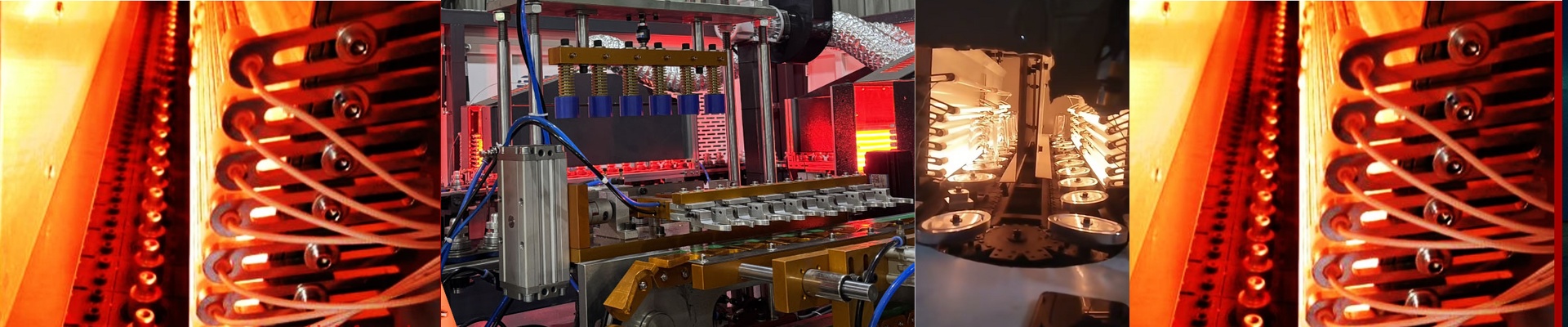
There is nothing more frustrating than pulling a batch out of a rotary oven only to find half of it burnt and the other half barely touched. It’s a nightmare. You’re throwing away product, wasting money, and probably questioning why the equipment isn’t just working. Usually, the problem isn’t the oven itself—it’s the way the heat is hitting the product. We found a way to fix this using circular ceramic infrared heaters. Instead of fighting the rotation, we use it. These heaters create a steady, uniform field of heat that follows your product as it spins. No more guessing games.
Why this actually works
If you’ve used standard resistive coils, you know the drill. You get these annoying “hot spots” wherever the wire is closest to the product. It’s inconsistent. Our approach is different. We embed the heating element inside a high-grade ceramic matrix. Think of the ceramic as a thermal reservoir. It soaks up the heat and then radiates it out in long waves that actually penetrate the surface of your product. The result? Those erratic temperature swings just disappear.
The nitty-gritty on the build
We use high-alumina ceramic because rotary ovens can be violent. They vibrate. They shake. This housing protects the internals from getting smashed or oxidizing over time. We can also dial in the wattage density if you’re tired of waiting forever for your oven to warm up. Depending on your voltage, we’ll adjust the internal coil gauge so you don’t have to worry about the elements burning out prematurely. The best part? The circular shape means these usually drop right into most industrial shells without a massive headache.
A few things to keep in mind
Switching to these heaters means you don’t have to lean so hard on air circulation to balance the temperature. You get way more control over the surface of whatever you’re heating. But here is the catch: ceramic has a lot of “thermal inertia.” In plain English? They take a bit longer to get up to speed than quartz lamps, and they don’t just snap off the moment you hit the switch. You’ll need to tweak your PID controllers to account for that lag. If you don’t, you might overshoot your target temperature during the ramp-up. Once you get that dialed in, though, it’s a completely different experience.