Making Your Workshop Heaters Actually Smart
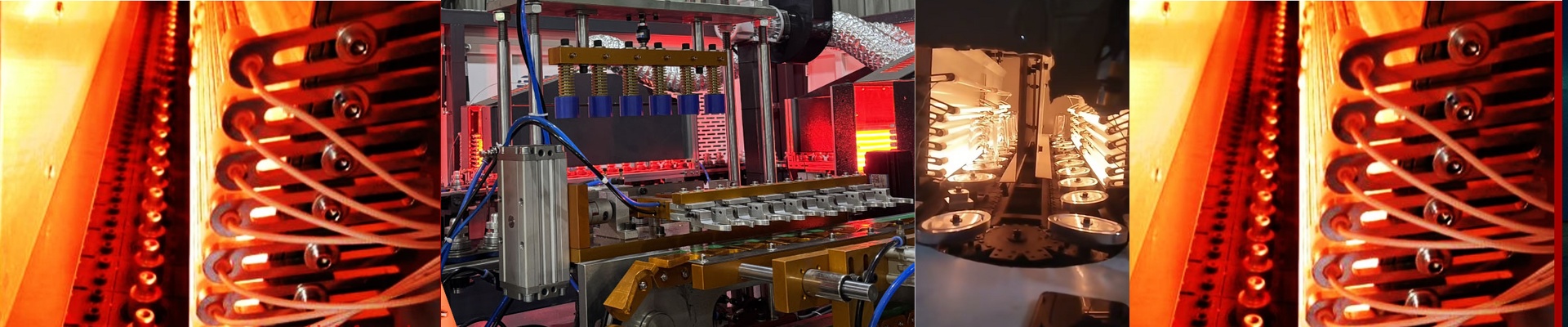
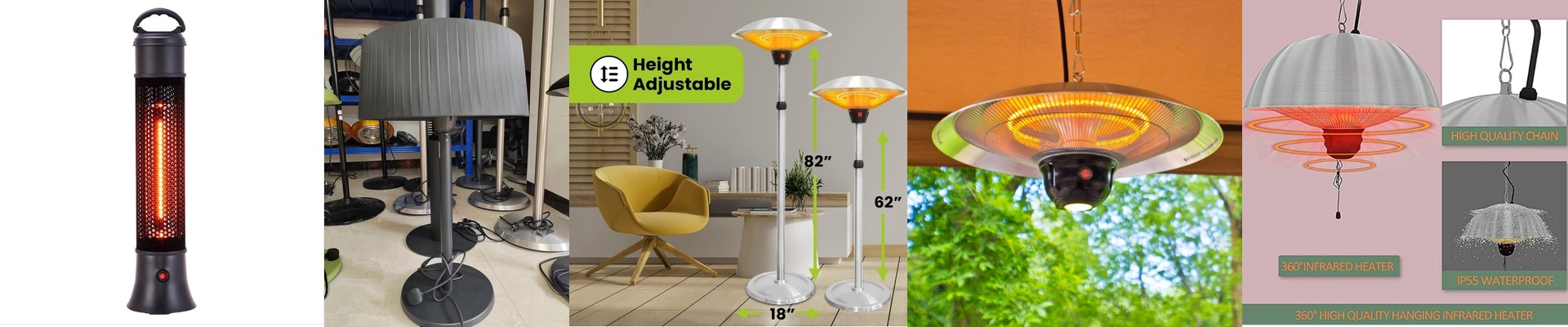
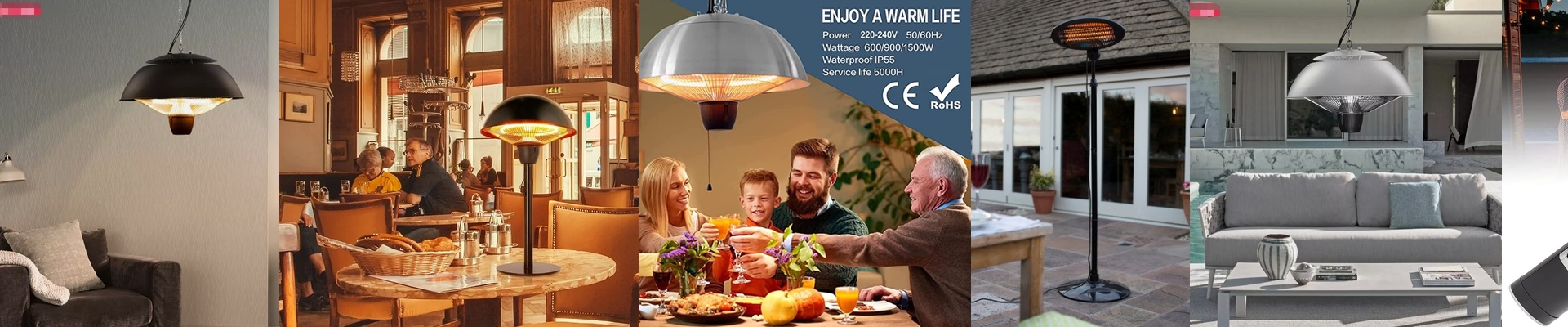
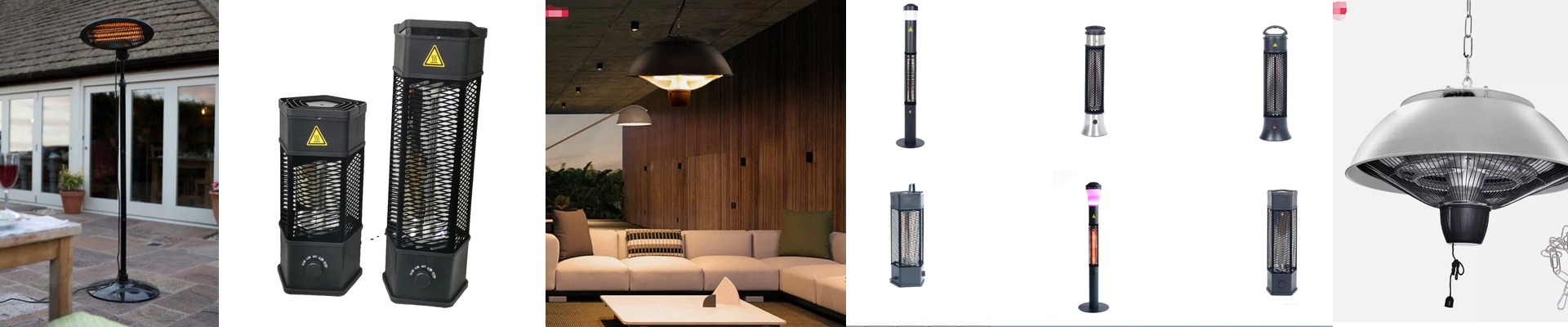
There is nothing worse than walking into a freezing workshop on a Tuesday morning and realizing you have to wait twenty minutes for the air to warm up before you can even feel your fingers. That’s why I prefer ceiling infrared heaters. Unlike those forced-air systems that try to heat the entire volume of air in the room, infrared goes straight for the target. It heats you and your tools directly. It’s like stepping into a patch of sunlight on a cold day.
Getting the “Instant Spring” Feel
The goal here is to stop flipping manual switches and start automating the warmth. Since most of these industrial lamps use short-wave tech, they hit their peak temperature in seconds. If you link them to a Zigbee or Wi-Fi controller, you can trigger the heat from your phone while you’re still drinking your first coffee. Or, better yet, set up a motion sensor. You walk through the door, and the heat is already waiting for you.
Don’t Melt Your Smart Plug
Here is a big warning:do not just plug these into a standard smart plug. These quartz elements pull a massive amount of current. If you try to run them through a cheap plastic plug from the hardware store, you’re asking for trouble. You need a heavy-duty contactor or a smart breaker that can actually handle the amperage. Also, keep an eye on your connection. If your signal has to travel to a cloud server halfway across the world and back, you’ll notice a lag. I always suggest using local API integration. It ensures the heaters kick in the second you hit the button. No waiting. No glitches.
Dealing with Cold Spots and Power Bills
Infrared is fast, but it’s “line-of-sight.” If you’ve got a huge piece of machinery or a mezzanine blocking the way, you’re going to have cold spots. You have to be smart about where you bolt these things to the ceiling. The real win with a smart system, though, is zoning. Why heat the whole bay when you’re only spending the morning at the workbench? You can program the system to only warm up the specific spot where you’re actually working. It saves a ton on the power bill. Just one tip: don’t turn every single zone on at the exact same millisecond. That massive initial surge can trip your breakers. Just stagger the start times in your software by a few seconds, and you’re golden.