Can a Simple Heater Swap Actually Speed Up Your Cycle Rate?
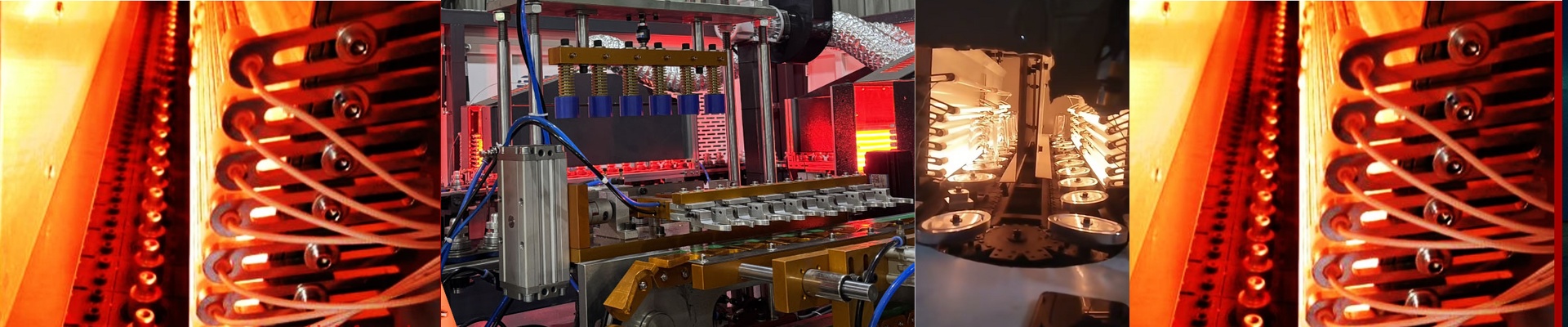
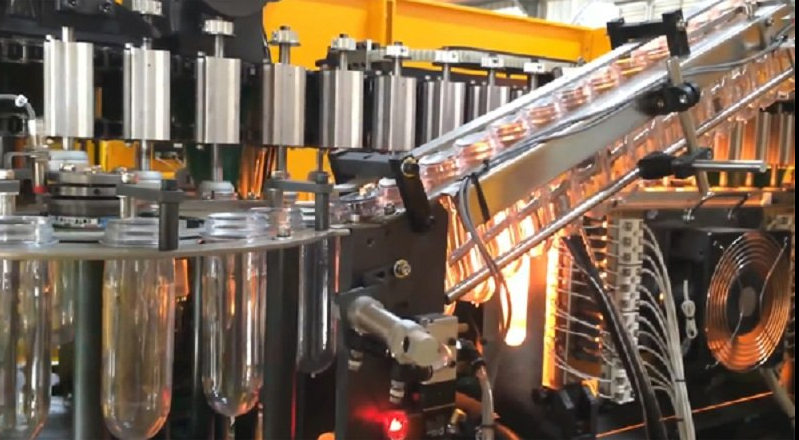
Let’s be honest: a lot of mid-sized blow molding shops are fighting a losing battle with old gear. You’ve got quotas to hit, but your machines are lagging. The instinct is to go out and drop a fortune on a brand-new machine. But before you do that, take a look at your heating oven. That’s usually where the real bottleneck is hiding. If you swap those tired old lamps for modern PC preform heater modules, you can shave time off your cycle and actually get more bottles out the door. The grit of it: Heat Density If you want a faster line, you need to cram more energy into the preform, and you need to do it fast. We lean on high-wattage halogen quartz tubes for this. By bumping up the wattage per millimeter, you hit your target temp way quicker. Now, if you go for a higher voltage spec, you’ll definitely feel the punch. Just a heads-up, though—higher wattage puts more stress on your power supply and makes the inside of the oven feel like a sauna. Make sure your cooling blowers can keep up, or you’re risking warped reflectors. Not a fun fix. The gear under the hood We use short-wave infrared tech here. Why? Because short-wave radiation digs deeper into PC or PET material much faster than the long-wave stuff. The best part is the installation. These tubes usually use R7s or Sk15 connectors, meaning they’re basically drop-in replacements. You can just wire them into your existing sockets without having to rip apart your entire electrical rack. We also coat the quartz glass to filter specific wavelengths. It ensures the heat hits the preform exactly where it needs to without scorching the surface. Making it work on the floor When you slide these modules into an old machine, the whole thermal profile of the oven changes. You’ll probably need to tweak your conveyor speed. If you push the heat density too hard, you’ll start seeing “hot spots” or burnt preforms. It’s all a balancing act between raw speed and keeping your material consistent. But once you find that sweet spot? You’ll see a real, measurable jump in your bottles per hour.