Getting Your Sidel Combi SF300 Heating Just Right
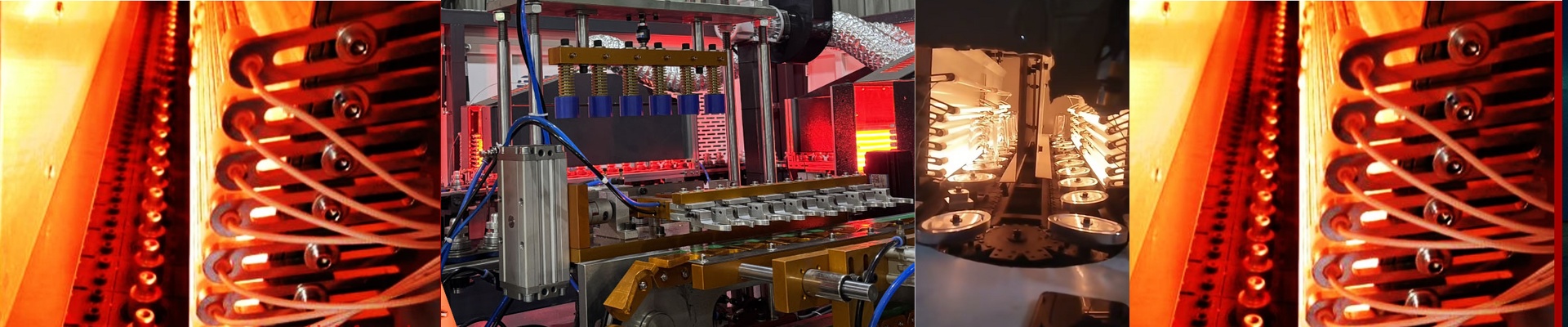
Here’s the thing about swapping out OEM lamps in a Sidel Matrix or Combi SF300: the biggest headache isn’t the install. It’s the temperature. If your new lamps don’t hit the exact same ramp-up curve as the originals, you’re in trouble. A tiny drift in wattage or spectral output and suddenly your PET preforms aren’t hitting the mark. You end up with bottles that have uneven walls or that annoying pearlescent haze. Nobody wants to see that on the line.
Matching the Specs (Without the Headache)
We didn’t just make these lamps the right length and call it a day. We spent our time obsessing over the relationship between voltage and wattage. Why? Because we wanted the heat flux to be a mirror image of the original. Since the electrical footprint is the same, your power supplies and controllers don’t know anything has changed. You just drop them in. No recalibrating, no fiddling with settings. The machine just sees the load it expects and gets back to work.
The Secret is in the Glass
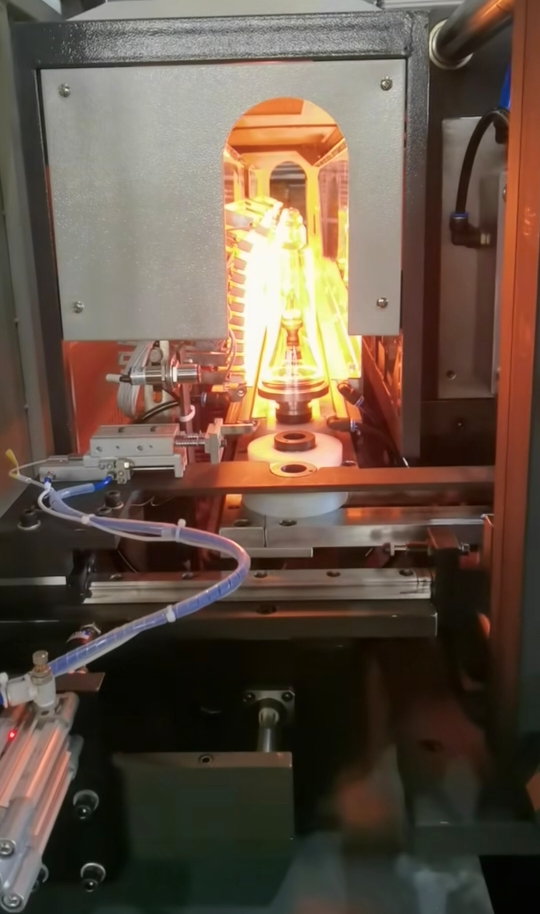
We use high-purity quartz glass with a specific halogen blend. This is what keeps the shortwave IR emission dialed in. For PET blowing, you need that shortwave radiation. It punches through the plastic quickly so you can heat the core without scorching the surface. We also added precision-fit end caps and connectors because nobody has time to deal with arcing at the terminals. Cheap lamps usually have “cold spots”—areas where the heat just isn’t there. We fixed that by tightening the tolerances on the filament winding. The heat is steady and uniform from one end of the tube to the other.
Some Real Talk for the Shop Floor
These lamps are built to push massive heat density so you can keep your line speeds where they need to be. But a word of caution: running them at full tilt puts a lot of stress on your oven’s ventilation. If your blow-off air filters are clogged with dust, the heat builds up around the lamp. That’ll kill your quartz, no matter how high the quality is. Do yourself a favor. Every time you swap a bank of lamps, check your cooling airflow. It takes two minutes and saves you from a premature burnout.