Getting Your Food Warming Right: The Truth About Infrared
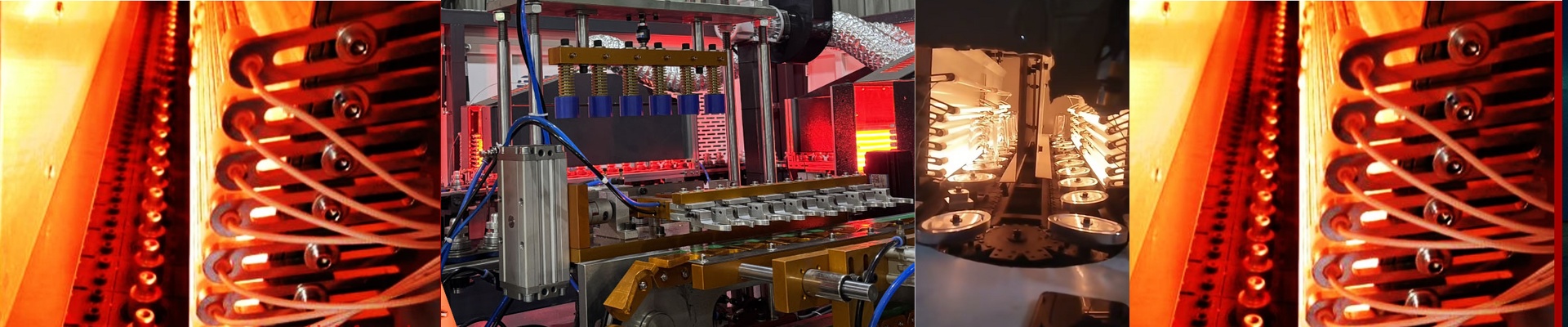
If you’re building an automated kitchen, you know the struggle. You need heat, and you need it now. That’s why we lean on short-wave infrared (IR) lamps. Think of it like the sun. Instead of heating up the air and hoping that heat eventually reaches the food—which is what convection does—IR just hits the surface directly. It’s fast. Really fast. And the best part? It doesn’t dry out the air around the food, so you aren’t serving up cardboard.
Controlling the Heat (Without Burning Everything)
Now, you can’t just flip a switch and walk away. If you do, you’ll end up with food that’s charred on the outside and frozen in the middle. To get it right, we use PID controllers paired with K-type thermocouples or IR sensors. Basically, the system “feels” the temperature and adjusts on the fly. We use Solid State Relays (SSRs) and a trick called Pulse Width Modulation (PWM) to flicker the power on and off incredibly quickly. Why bother? Because it stops those massive temperature spikes you get with old-school mechanical relays. But a word of warning: if you’re using high-wattage lamps for a heavy sear, make sure your SSRs can handle the current. Otherwise, they’ll just fry.
Making the Hardware Actually Fit
Here’s the thing: off-the-shelf lamps rarely fit into a custom machine. They’re either too long, too short, or the voltage is just off. We fix this by customizing the length and voltage to hit the exact heat density you need. For example, if you cram more wattage into a shorter tube, you get a much more intense blast of heat. That’s how you get that “rapid-fire” warming effect. We also use quartz envelopes because they let the IR light through without blocking it. And depending on what you’re cooking, we can add coatings to the glass. This helps the heat sink deeper into the food rather than just scorching the top layer.
The Messy Side of Engineering
It’s not all smooth sailing. These high-intensity lamps put off a ton of waste heat right around the terminals. If you pack your lamps too tight in a closed box, you’re asking for trouble. You’ll start smelling melting wire insulation, or your PLC will just shut down because it’s overheating. Don’t skip the venting. Spend the time to spec out your exhaust fans and heat sinks. It’s the only way to keep your electronics alive while the lamps are running at full tilt.