Why we’re adding infrared to bakery ovens
Most ovens just blast hot air. It’s the old way of doing things, but it’s honestly pretty wasteful. You spend all this energy heating up the air, only for half of it to soak into the oven walls or disappear out the vents. It’s like trying to warm up a whole house just to heat one chair. That’s why we use infrared (IR) heaters as a backup. Instead of relying on massive cycles of hot air, IR goes straight for the product.
How the heat actually works
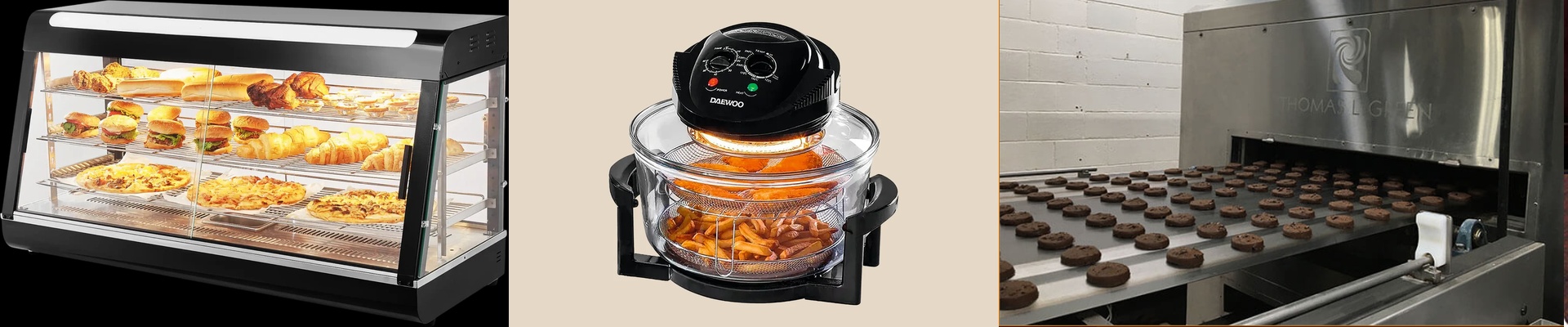
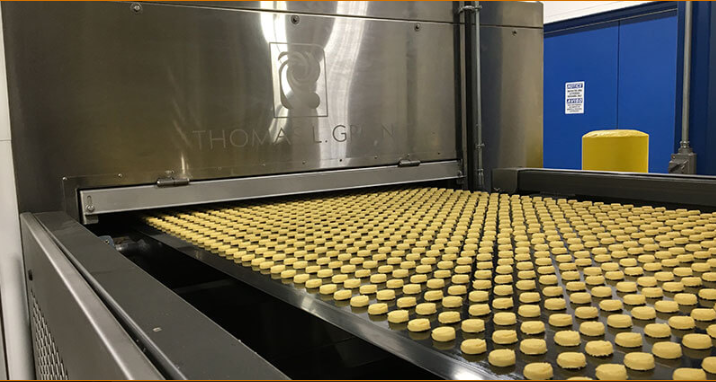
Think of IR like sunlight on a cold day. It doesn’t need air to move the heat; it just hits the surface of the dough and turns into heat instantly. We usually tuck these lamps into the final stretch of the baking tunnel or use them as a “boost” in certain zones. The best part? You can actually lower the overall temperature of the oven. It means you aren’t burning as much power, and you don’t have to wait forever for the oven to pre-heat. It’s just leaner.
The nuts and bolts (and the risks)
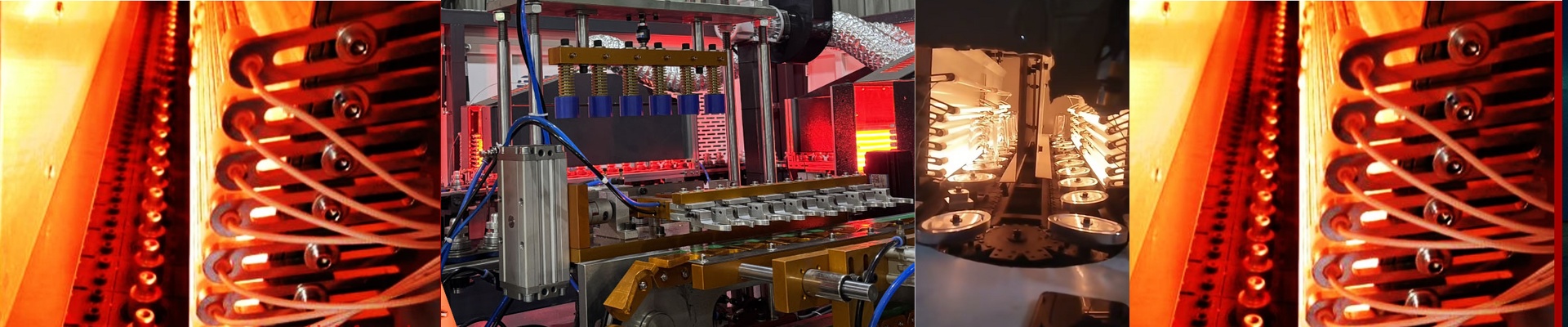
We usually go with short-wave quartz tubes. They’re small, but they pack a punch. You can set them to kick in only when you hit a peak load or when you need that perfect golden-brown finish. But you have to be careful. These things are intense. If you cram too many lamps into one spot, you’re going to scorch your bread or melt your gaskets. It’s all about the balance between how the lamps are spaced and how fast your conveyor is moving. You don’t want any “hot spots” ruining a batch.
Keeping things running
Nobody wants to tear down an entire oven just because one bulb blew. That’s why we use standard connectors. If a tube goes out, you just pop it out and slide a new one in. Fast and simple. To keep the energy bills down, we pair the heaters with sensors and PID controllers. This way, the lamps only fire when the surface temperature actually drops. No more wasting electricity just for the sake of it. It’s a much smarter way to bake.