Why “Second-Level Response” IR Heaters Actually Matter in a Bakery
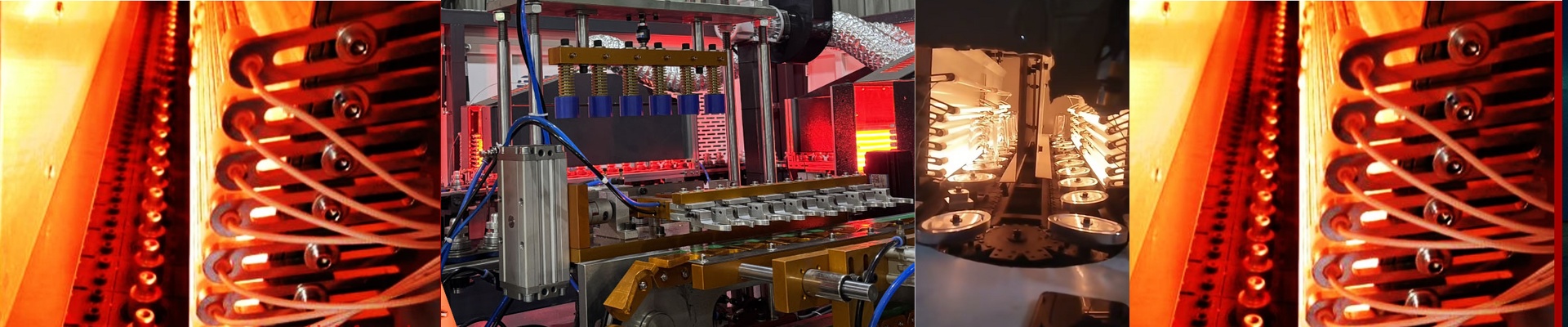
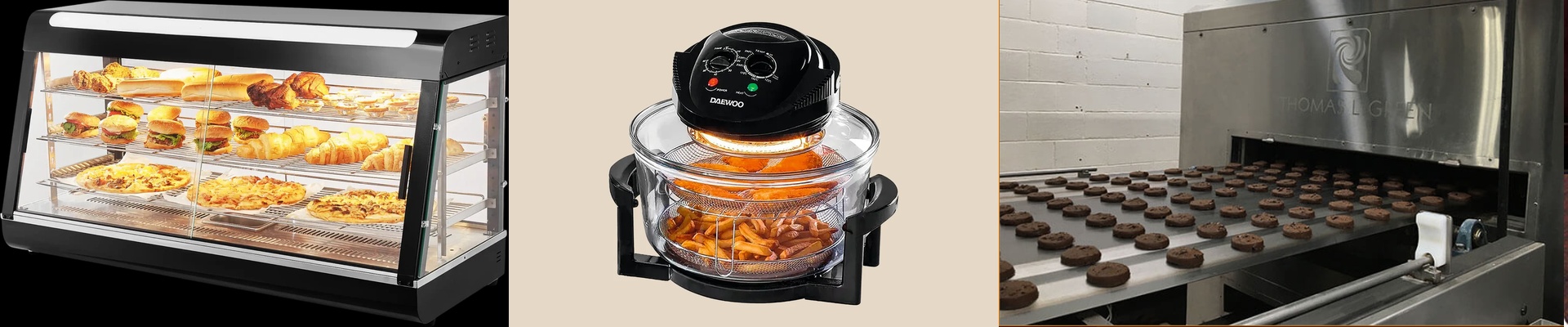
If you’ve ever worked in a high-volume bakery, you know the frustration of thermal inertia. It’s that annoying lag where you set a temperature, but the oven takes forever to get there—and even longer to cool down. It’s a slog. That’s why we use Nichrome-based infrared (IR) heaters. We call it “second-level response.” In plain English? The heat hits almost the second you flip the switch. No waiting around. Cutting out the middleman Most ovens try to heat the air first, and then the air heats the bread. It’s slow. IR heaters just skip that part. They send short-wave radiation straight into the dough. This changes your whole rhythm. You can trigger a burst of heat the moment a tray enters the zone and kill the power the instant it leaves. No more over-baked edges or wasting electricity heating an empty oven. It just makes the whole production line move faster. The secret sauce: Nichrome and Quartz We use Nichrome wire because it doesn’t flake out when things get scorching. We coil that wire and tuck it inside a quartz envelope. When the power kicks in, the wire hits its peak temperature instantly. You get a dense, concentrated hit of heat that punches through the crust quickly. The “Gotchas” (Because nothing is perfect) Now, that speed comes with a few trade-offs you need to watch out for on the shop floor. First, those quartz tubes are fragile. They’re not built for a rough environment. If an operator bumps them during a deep clean, they’re gone. Also, because these things get so hot so fast, you can’t just cram them into a tight space. You need real airflow. If you pack them in too tightly without proper venting, you’ll start warping the metal housing of your oven. The bottom line for engineers If you’re tired of slow-start systems, these are a great swap. Pair them with a fast thermocouple and a PID controller, and you can shrink your thermal windows from minutes down to seconds. It’s a much tighter, cleaner way to bake.