Why Fast Response Times Actually Save You Money on Commercial Ovens
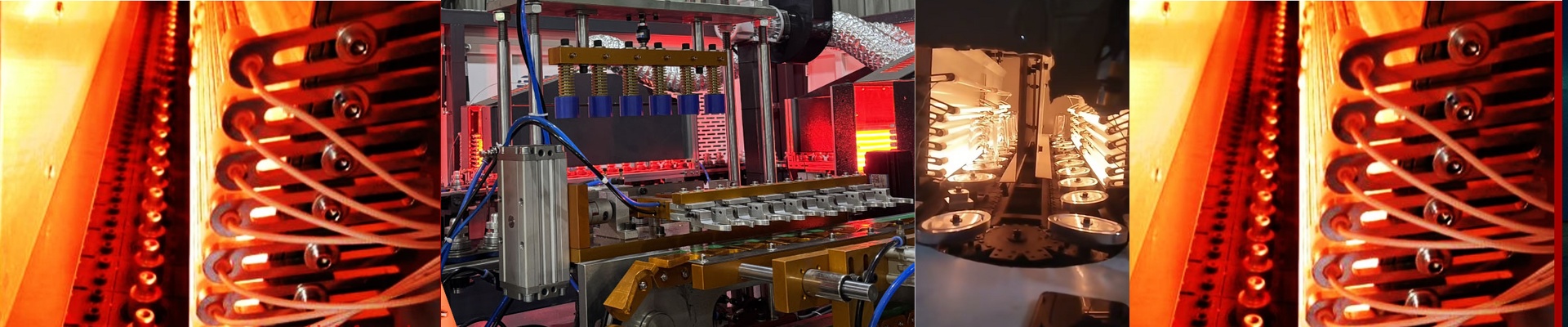
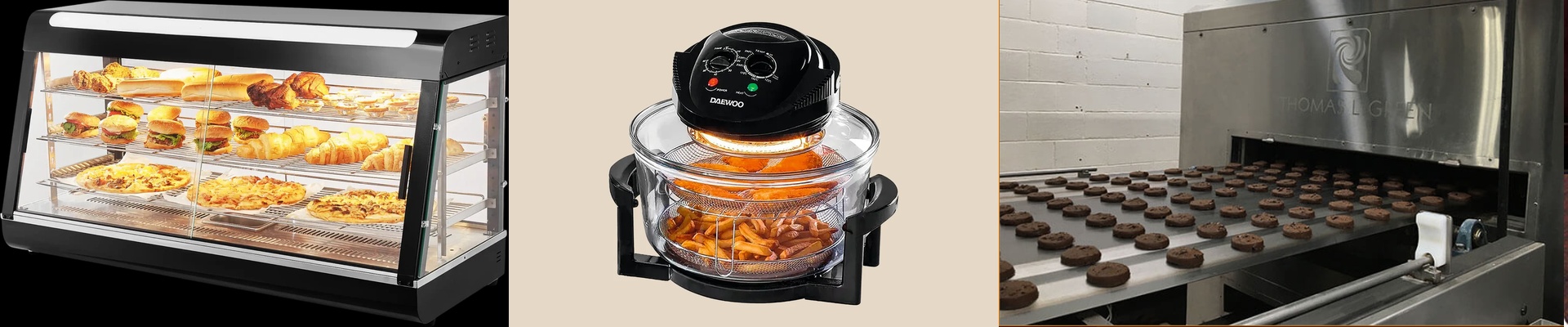
If you’ve ever worked in a professional kitchen, you know the frustration of a temperamental oven. You set a temperature, but the machine just keeps climbing, overshooting the mark, and then crashing back down. It’s a mess, and it’s costing you money. Most ovens use heavy heating coils. The problem is they have a lot of “thermal mass,” which is just a fancy way of saying they stay hot long after you’ve turned the power off. They keep dumping heat into the oven even when the thermostat says “stop.” That’s where halogen elements change the game. Think of it like a light switch. Halogen bulbs hit their target temperature almost instantly and, more importantly, they shut down just as fast. We call this “second-level response.” Since they don’t stay hot for long after the power cuts, you don’t get that annoying temperature overshoot. The heat—specifically short-wave infrared radiation—hits the food directly. Because the controller can pulse the power on and off with total precision, you aren’t wasting electricity heating air you don’t need. A quick word on the hardware. If you’re swapping these out, most of these units use standard R7s or snap-in connectors. They’re pretty easy to pop in. But here is the catch:stick to the OEM specs. Don’t try to “upgrade” to a higher wattage bulb thinking it’ll cook faster. If the circuit isn’t built for it, you’ll end up melting your wiring harness or frying your contactors. Not a great way to spend a Tuesday. The trade-off. Nothing is perfect. That speed and efficiency come with a price: the bulbs don’t last forever. Constantly clicking on and off puts a lot of stress on the filament. It’s a bit of a trade you have to make. You get the energy savings and the precision, but you have to be diligent about replacements. My advice? Don’t wait for a bulb to pop right in the middle of a Friday night dinner rush. Keep an eye on your running hours and swap them out before they give up on you.