Fixing Temperature Swings in Convection Ovens with IR Emitters
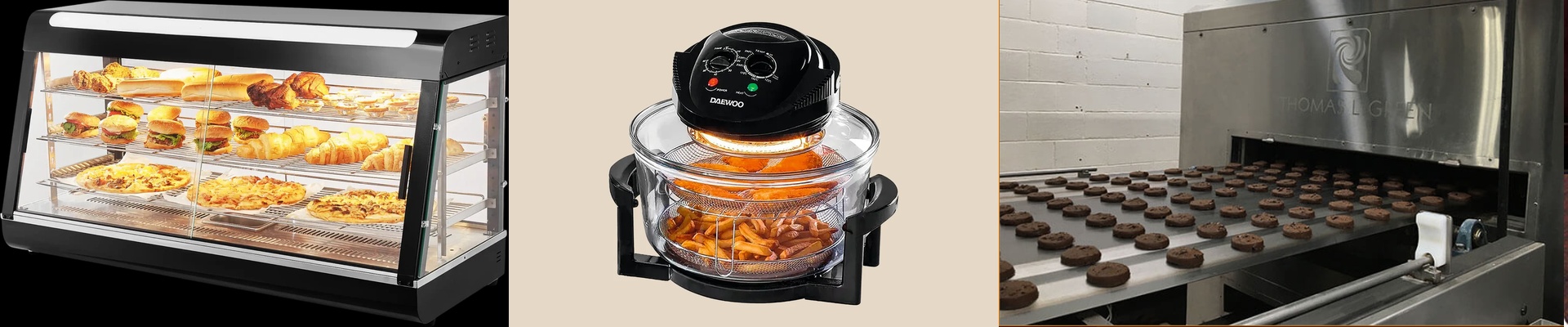
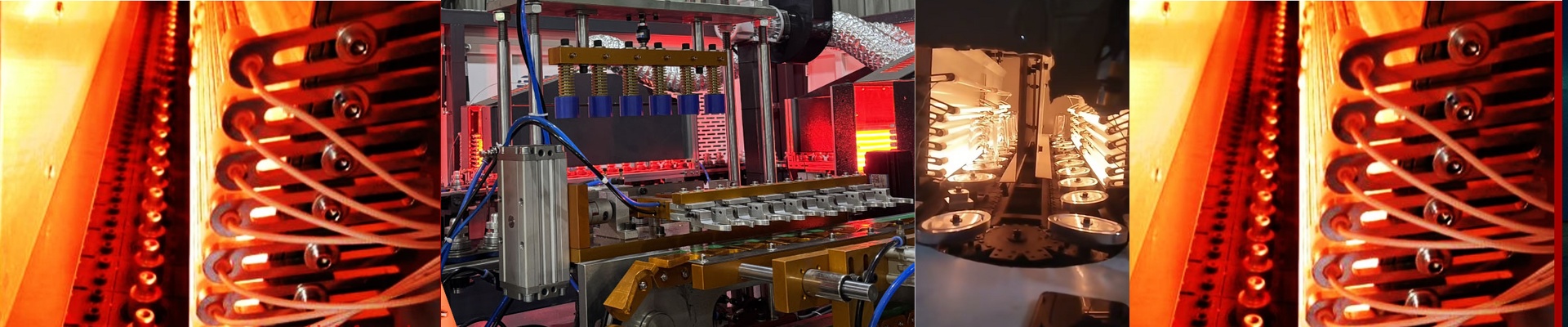
Ever notice how convection ovens just can’t seem to keep up? You’ve got your settings dialed in, but the moment the door opens or the ambient air shifts, the temperature dips. By the time those old-school heating elements catch up, you’ve already lost your window. It’s frustrating. That’s why we use IR emitters. They basically act as a safety net, jumping in with an immediate blast of heat to fill those gaps in real-time. How it actually works Think about it this way: convection heating relies on moving air, which is slow. IR is different. It uses electromagnetic waves that hit your target almost instantly. When the PID controller notices the temperature starting to slide, the IR lamp kicks in. It’s a concentrated burst of energy that stops the “undershoot” before the fans even realize there’s a problem. It keeps things steady. The gear you’ll need You want something with low thermal mass. We usually go with quartz-halogen because it hits full power in milliseconds. Pair that with a high-frequency SCR or a PWM drive, and you’ve got a dial that actually feels precise. But here is the catch: you need a clear line of sight. If your oven is crammed full of parts, the IR waves can’t reach the workpiece. You’ll end up relying on the air again, which pretty much defeats the whole point of adding the IR system in the first place. The trade-offs Nothing is perfect. That speed comes with some heat. Since IR emitters are so power-dense, they get incredibly hot. If you don’t pick the right reflectors and housing, you’re going to fry your lamp sockets. And one more thing to watch out for: IR doesn’t soak into materials the same way hot air does. It hits the surface hard. You’ll need to spend some time calibrating your sensors so you don’t accidentally scorch the outside of your product while the inside is still cold.