Keeping Your Oven Temp Steady (Without the Headache)
Anyone who’s worked a busy catering line knows the struggle. You open the oven door to slide in a few more trays, and suddenly your internal temp tanks. It’s a constant fight against the air in the room, and usually, the oven is playing catch-up. That’s where we come in. We use replacement radiant heaters and IR control systems to stop those temperature dips from ruining your food.
How it actually works
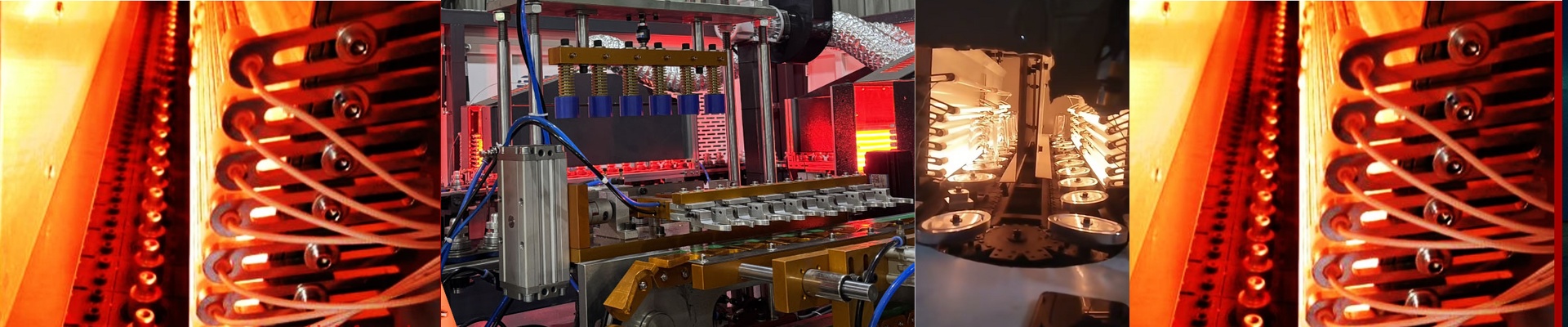
Standard convection is okay, but it’s slow. It relies on moving air, and air takes time to heat up. We do things differently by adding short-wave infrared heaters. Think of it like the sun hitting your skin on a cold day—you feel the heat instantly. Instead of waiting for the fans to kick in, the IR waves hit the food surface right away. The sensors spot a temperature drop, the controller bumps up the power to the tubes, and it’s fixed in milliseconds. It’s fast. Really fast. And it handles the heat loss before the fans even realize something happened.
Picking the right gear
You can’t just throw any heater in there. It has to fit the footprint and the voltage of your specific oven. For most industrial setups, you’ll need high-wattage quartz tubes to get the kind of heat density required for big batches. We make these as drop-in replacements, so you aren’t spending your afternoon fighting with mounts or rewiring the whole thing. One thing to watch out for: quartz is great for letting that IR heat through, but it’s fragile. If your kitchen is a high-grease environment, you’ve got to be careful. Grease splatters on the tubes create hot spots, and that’s a one-way ticket to a burnt-out element. Keep them shielded or positioned smartly to avoid the mess.
A quick warning on the electrics
Here’s the thing: adding a high-output radiant system puts more stress on your control board. You can’t just swap a low-wattage element for a high-density IR tube and call it a day. You’ve got to check your relays. If the current draw is too high for your Solid State Relay (SSR), you’re going to fry the board. It’s a costly mistake. Just make sure your power supply can handle the peak load when the compensation cycle kicks into high gear.