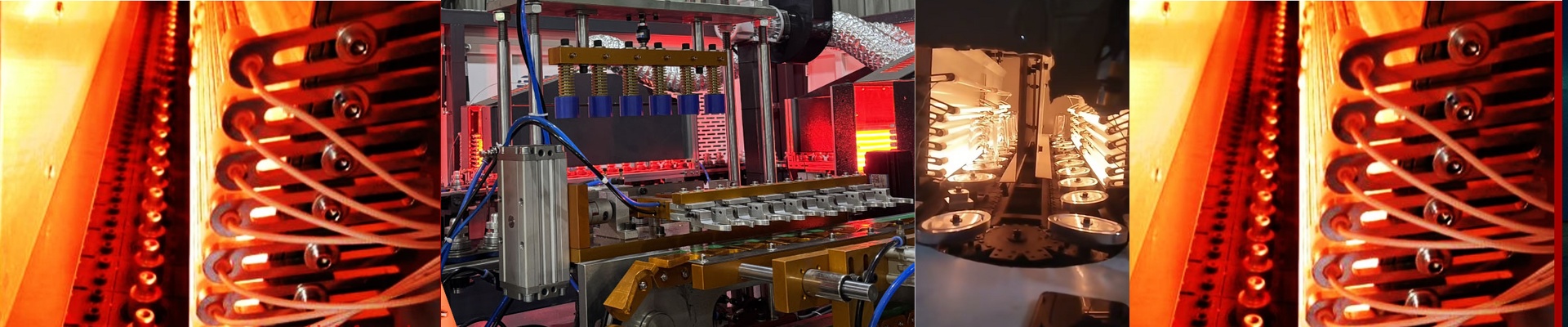
Stop Guessing With Your Sidel Matrix IR Lamps
Here is the problem when you swap out IR lamps in a Sidel Matrix blower: the heating curve usually shifts. It’s a headache. If the wattage is off or the spectral output isn’t exactly right, your PET preforms end up either under-heated or scorched. We don’t think you should have to gamble with your product. That’s why we build our lamps to be true drop-in replacements that mirror the original thermal footprint.
The trick to getting the match right
We don’t just look at the nominal wattage and call it a day. That’s a rookie mistake. We align the voltage and the length to make sure the heat density—per millimeter—is the same as the factory lamp. See, if a lamp is built for 400V and you throw in a lower-voltage alternative, the resistance changes. Then your infrared emission changes. By keeping these numbers tight, you don’t have to spend your entire afternoon overhauling your oven settings.
The guts of the lamp
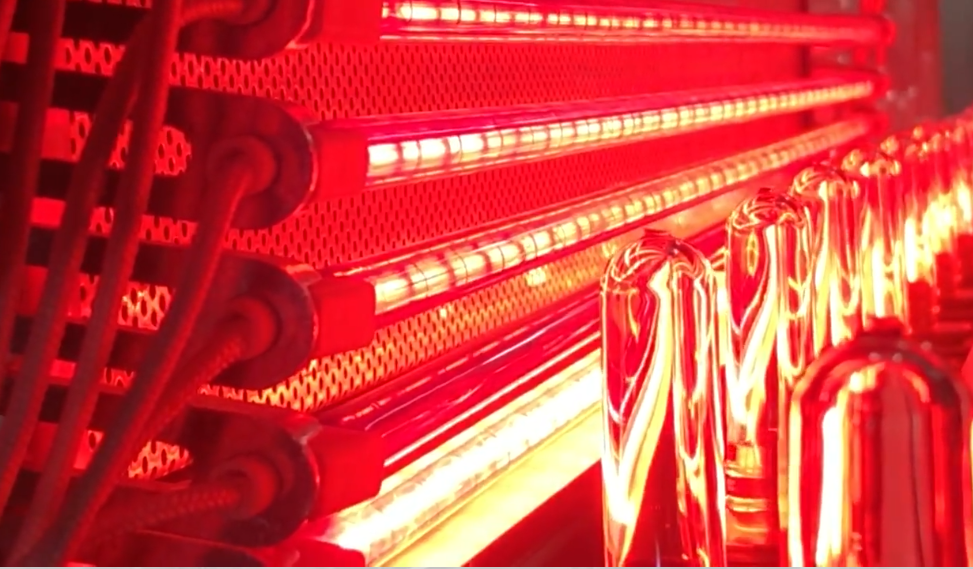
We use high-purity quartz glass because these things take a beating from rapid thermal cycling. The filaments are calibrated for shortwave IR. Why? Because it punches through the PET wall faster than medium-wave options. Plus, we use standard R7s or Sk15 connectors depending on your Matrix model. You just wire them up. No modifying sockets. No messing with the wiring harness. Simple.
What this looks like on the floor
These lamps hit hard and fast to keep your cycle speeds where they need to be. You get that same temperature ramp-up you’re used to. One quick tip: high-wattage tubes put out a lot of ambient heat. Make sure your oven’s cooling fans are actually clean and spinning. If they aren’t, you’re just baking your sockets. When the specs match 1:1, the guesswork disappears. You plug them in, run your usual profile, and the preform hits the right temperature without you having to touch the conveyor speed.