
Getting the Heat Right in Your Husky HyPET System
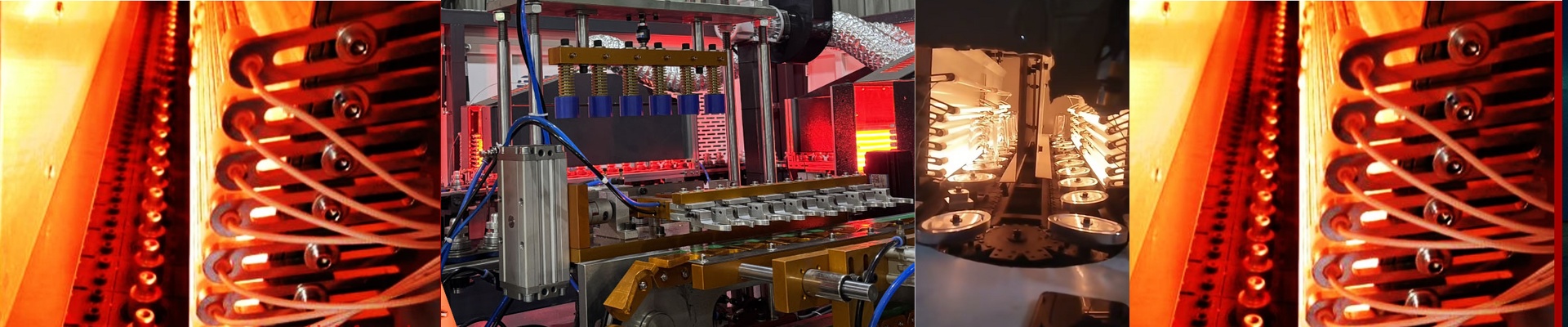
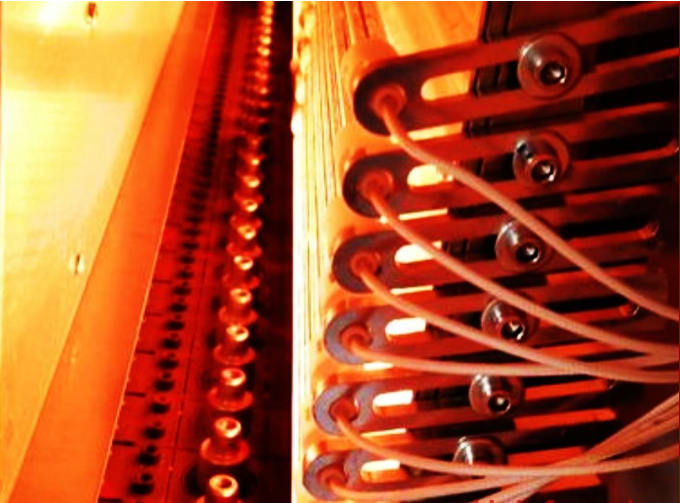
If you’re running high-speed Husky HyPET systems, you already know that just throwing more wattage at the problem doesn’t work. You can’t just blast the preforms with heat and hope for the best. The real struggle is getting that heat deep into the core—hitting that glass transition temperature—without accidentally scorching the outside. It’s a delicate balance. That’s exactly why we build our lamps the way we do. The secret is in the penetration. Most standard lamps just dump heat on the surface. When that happens, you end up with uneven wall thickness after blowing, which is a nightmare for quality control. We do things differently. We use a specific quartz blend and a very precise way of winding the filament to shift the emission spectrum. Instead of the infrared energy bouncing off the surface, it actually sinks into the PET. And when you crank up the voltage? The heat density jumps. That means your preforms spend less time in the oven, and your line moves faster. Let’s talk hardware. These are designed to be simple drop-in replacements for your SIPA or Husky setups. No fuss. We spent a lot of time obsessing over the electrical load because nobody wants a lamp that burns out prematurely. By tweaking the filament diameter and using high-grade quartz, we keep the thermal footprint stable, even when you’re cycling rapidly. One thing to watch out for: the connectors. They’re usually where things go wrong. We use standard R7s or SK15 bases (depending on your machine) to make sure the fit is tight. Because a loose connection isn’t just a nuisance—it creates a hot spot that can actually melt your socket. A quick heads-up on the trade-off. Since these lamps push way more energy into the plastic, your throughput will go up. But, that puts a bit more pressure on your oven’s cooling blowers. If your cooling system is struggling, the ambient temperature in the oven will start to climb. If that happens, your preforms might start to deform before they even hit the blow mold. So, if you’re switching to these high-output tubes, just do yourself a favor and double-check your airflow settings first. It’ll save you a lot of headaches down the road.