Why we swapped resistance wires for 1000W infrared lamps
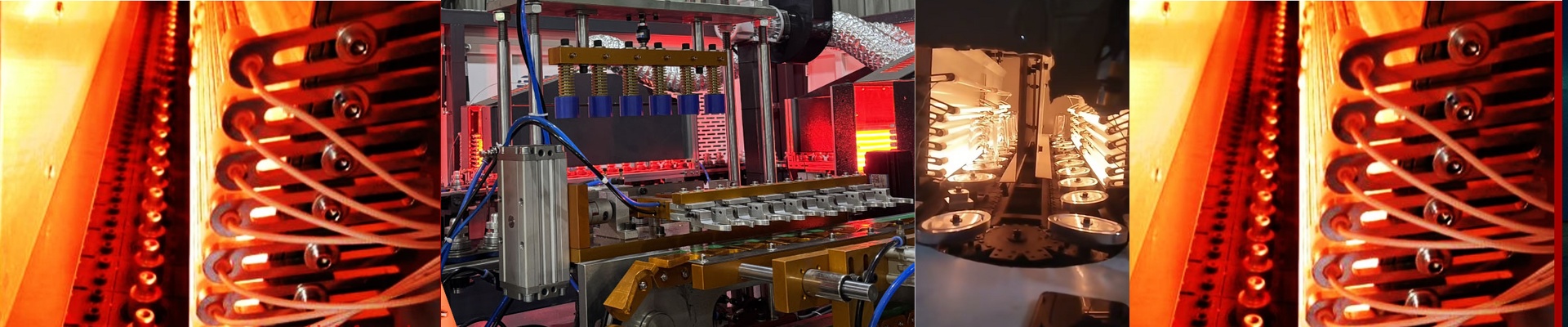
Most industrial ovens work the same way: they use those old-school resistive heating wires. The wires heat the air, and then the air eventually heats the food. It’s a slow, clunky process. We decided to do things differently. We use 1000W infrared lamps instead. Here is the big difference: infrared radiation doesn’t mess around with the air. It sends energy straight into the food. It’s fast. Really fast. Instead of wasting energy heating up every inch of the oven cavity, these lamps use short-wave or medium-wave radiation to penetrate the surface of whatever you’re cooking. You aren’t waiting around for the oven to “get up to temp.” It happens in a fraction of the time. Now, let’s talk gear. We make these lamps out of high-purity quartz glass. Why? Because when you’re cycling heat this fast, you need something that won’t crack under the pressure. The 1000W punch gives you the kind of heat density you actually need when you’ve got a commercial workload to push through. Plus, they’re designed to fit right into your existing arrays, so you can swap out those old heating blocks without a total teardown. But a word of caution. Infrared heat is intense. It’s localized. If your ventilation isn’t set up to handle that kind of concentrated heat, you’re going to run into trouble. You might scorch the food or, worse, overheat the actual chassis of the oven. You’ve got to get the positioning just right to avoid those annoying hot spots. The best part, though? Your electric bill. When you stop spending twenty minutes just “warming up” the oven walls, you save a lot of power. The energy goes where it belongs—into the food. You’re using fewer kilowatt-hours per batch, period. Sure, the lamps cost a bit more upfront than a coil of wire. But when you see the monthly power savings and how much faster your cycles are, it’s a no-brainer.