Stop Waiting for Your Food Warmers to Heat Up
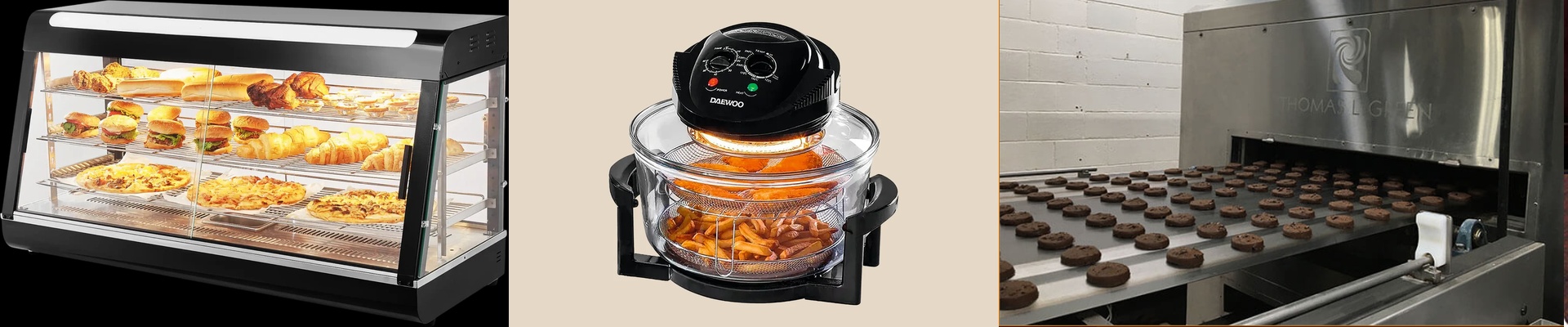
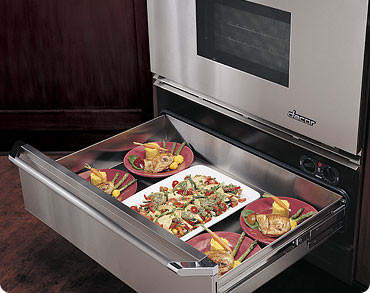
If you’ve ever worked in a high-volume kitchen, you know the frustration of waiting on old-school resistive heating. It’s slow. It tries to heat the air first, and by the time the food actually gets warm, you’ve lost your rhythm. We decided to flip the script. Instead of warming the air, we use shortwave infrared (IR) emitters that go straight for the food surface. The result? They hit 300°C in a matter of seconds. No waiting. No lagging. Just heat.
How it actually works
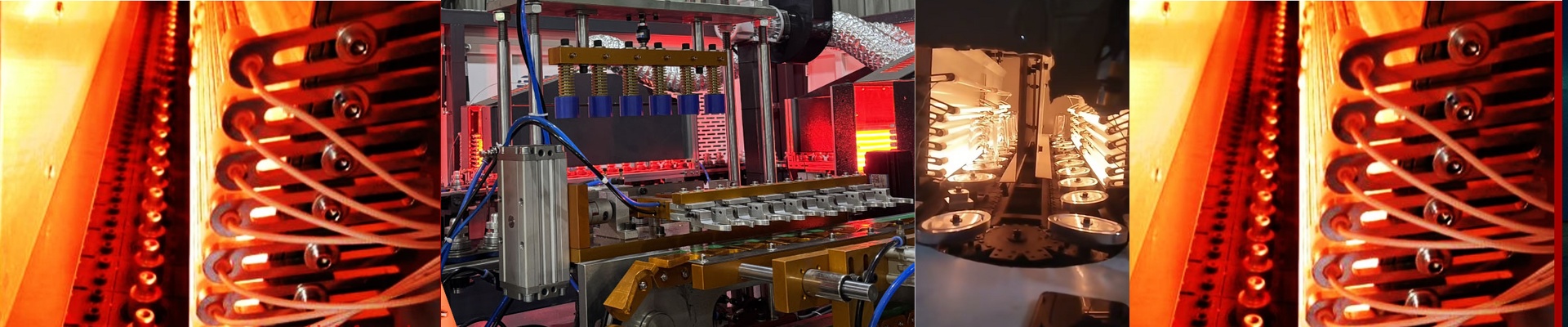
To get that kind of speed, we use a tungsten filament tucked inside a high-purity quartz tube. The radiation hits the food immediately. Think about it: you don’t have to waste time preheating an oven cavity. You just turn it on and it’s ready. It’s a massive relief when the rush hits and you can’t afford to waste ten minutes waiting for a heating element to wake up.
The nitty-gritty on the build
We fill these emitters with halogen gas. Why? Because it stops the tungsten from evaporating and gunking up the quartz walls. It keeps the tube crystal clear, which means the heat stays consistent even after thousands of uses. The quartz glass itself is the real hero here. It can handle “thermal shock,” meaning you can blast it with power and shut it off repeatedly without the glass cracking. Plus, we use standard industrial connectors, so you can just drop these into your existing equipment without a headache.
A few things to keep in mind
Now, there’s a catch. When you’re pushing a lamp to 300°C this quickly, it creates an intense amount of heat in one spot. You’ll want to make sure your housing materials can actually take that kind of radiant heat. And a quick tip: get your reflectors aligned. If they’re off, you’re just wasting energy and risking a warped chassis. One last thing—don’t use a basic thermostat. These emitters are so fast that a standard thermostat will usually overshoot your target temperature. Pair them with a fast-acting PID controller instead. It gives you precise voltage control, which is the only way to keep things steady once you hit that 300°C mark.