Speeding Up Your Line with Infrared Heat Bridges
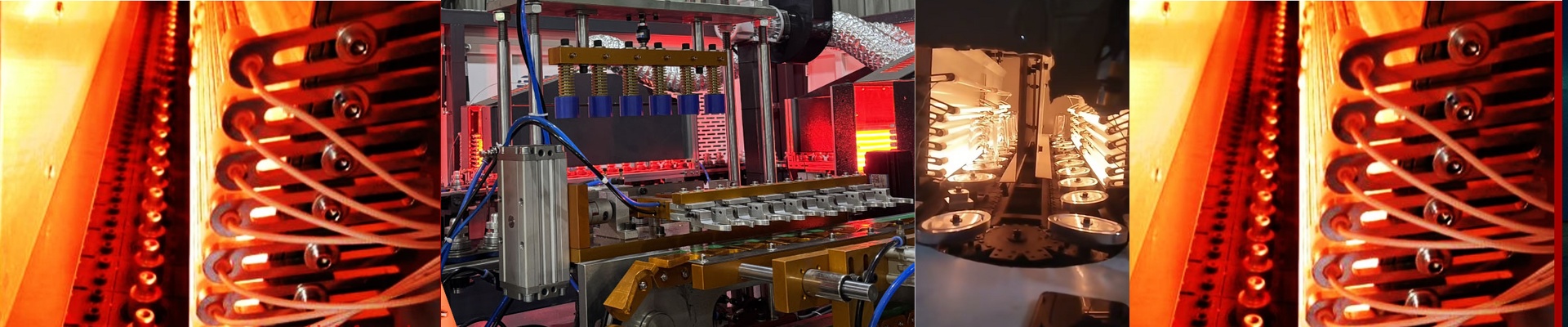
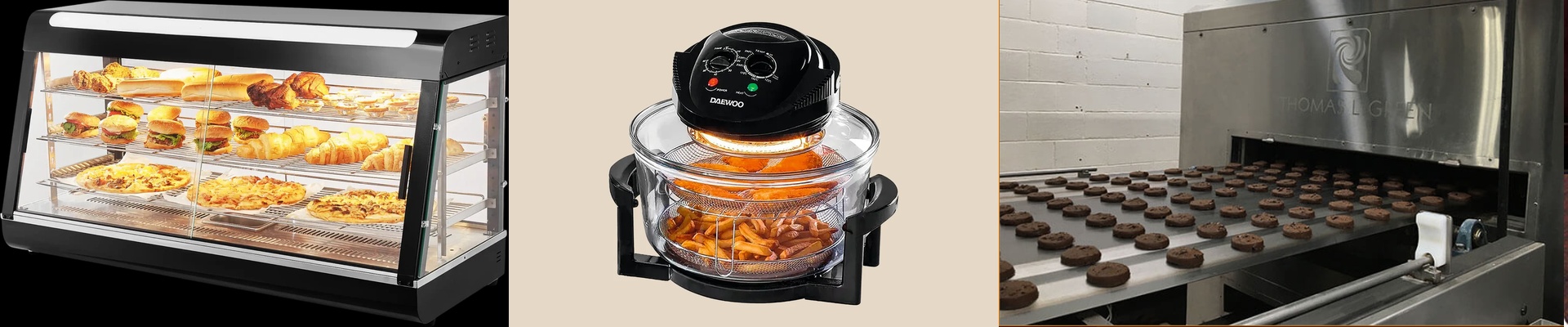
If you’ve spent any time in an industrial bakery, you know the frustration of the bottleneck. Usually, it’s that agonizing wait for the surface to brown or the moisture to leave the product. Standard convection ovens rely on air to move heat, and let’s be honest—air is slow. We take a different approach. We use shortwave infrared (IR) heating elements in heat bridges to basically skip the middleman. Instead of waiting for the air to warm up, the heat hits your product directly. This means you can push your conveyor belt faster without worrying that your quality is going to tank. Why it actually works Shortwave IR lamps are powerhouses. Traditional coils take forever to get up to temperature, but these things hit their peak in a matter of seconds. When you set these up in a heat bridge, you’re creating a zone of intense energy. It slashes your heating cycle time. If your line feels like it’s dragging, switching to a high-wattage quartz element lets you shrink the size of your heating zone while pumping out way more parts per minute. The nitty-gritty on the gear We use high-purity quartz glass because these lamps go through a lot of thermal shock when they cycle on and off. They need to be tough. Depending on what your power grid looks like, we can spec these for 220V or 380V so you aren’t overloading your system. We also use R7s or Sk15 connectors. Why? Because they’re easy to swap. The last thing you need is your entire line sitting dead for hours just because one lamp burned out. These are simple drop-in replacements. The catch (because there’s always one) Now, high-intensity IR isn’t some magic wand. Since these elements dump so much energy onto the surface, you have to be careful. If you aren’t careful, you’ll scorch the top of your product before the center even gets warm. You’ve got to find that sweet spot between the lamp wattage and your belt speed. Also, all that heat has to go somewhere. Make sure your housing has plenty of ventilation. If you skimp on the cooling for the lamp ends, you’re just going to fry your sockets.