Getting the Heat Right in Your Husky HyPET System
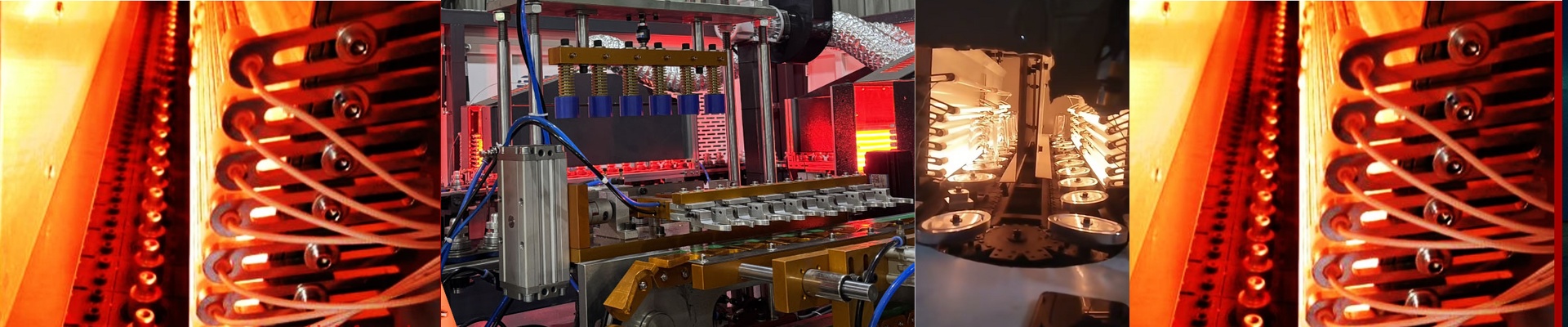
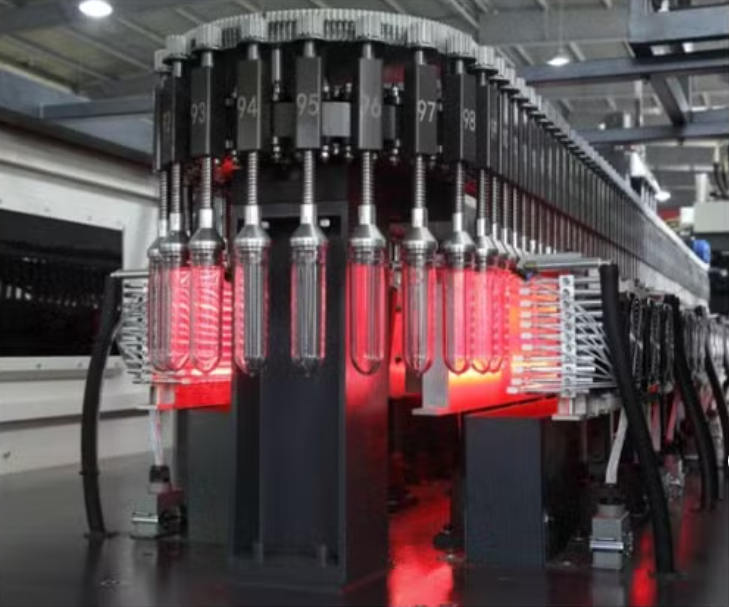
If you’re running a high-speed Husky HyPET, you already know that just cranking up the wattage isn’t the answer. If you just blast the preforms with raw heat, you’ll scorch the surface before the inside even gets warm. It’s a frustrating balancing act. To do this right, you need infrared wavelengths that actually sink into the plastic rather than just bouncing off the skin. The secret is in the penetration. We tweak the quartz and the filament density in our lamps to hit those specific PET absorption bands. By shifting the spectrum toward short-wave IR, the heat doesn’t just sit on the surface—it soaks deep into the core of the preform. When the wavelength is too long, you get those annoying “pearls” in your finished bottles because the outside overheated while the inside stayed cold. Short-wave IR fixes that. You get a uniform temperature all the way through the wall. About the hardware These are designed as simple drop-in replacements. Whether you’ve got a high-voltage setup or specific wattage needs, we focus on heat density. We also use high-purity quartz glass. Why? Because these things go through brutal thermal cycling, and cheap glass just burns out too fast. Then there are the connectors—usually R7s or Sk15. We’re obsessive about the fit. A loose connection is a nightmare; it creates hot spots that can melt your sockets or make the lamps flicker. We keep the tolerances tight so you can swap them out during a quick changeover without having to fight the fixture. The real-world stuff Here’s the thing: high-penetration lamps pack a massive amount of energy into a tiny space. Your cycle times will drop, which is great. But there’s a catch. These lamps run hot. If your oven’s forced-air cooling isn’t up to the task, you’re looking at warped reflector shields or a shorter lamp lifespan. And please, keep your reflectors clean. A thin layer of dust can kick 10-15% of that energy right back into the tube. That’s a fast track to a blown lamp.