
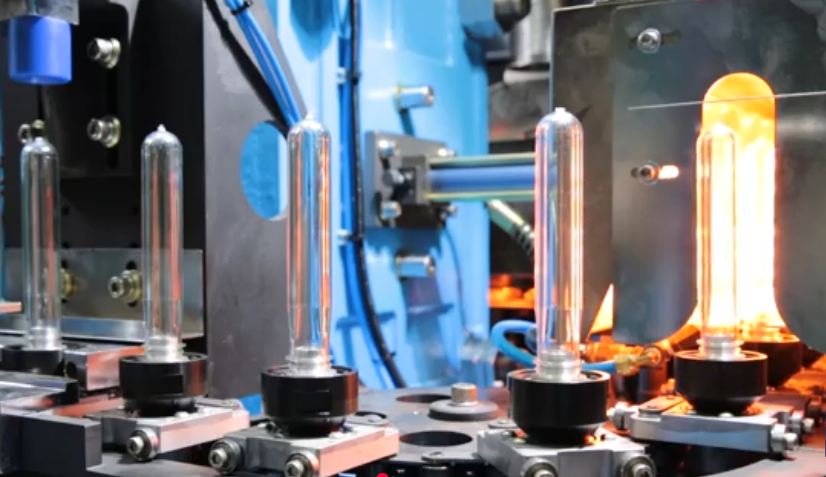
Stop the Constant Tube Burnouts on Your SIG Blomax Line
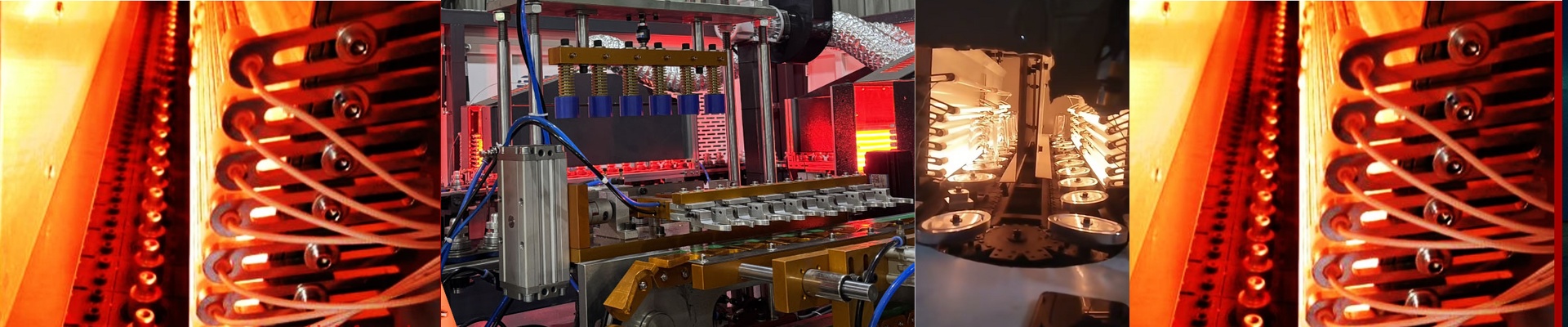
If your SIG Blomax line is chewing through infrared radiators, you know exactly how frustrating it is. You replace a tube, everything looks fine for a bit, and then—snap—you’re dealing with downtime again. It happens all the time. Most people just swap in a standard replacement, but those aren’t built for the actual chaos of a Blomax environment. Between the constant vibration and the heat cycling, standard tubes just can’t keep up. We got tired of seeing that cycle, so we built a reinforced version that actually holds up.
Why these don’t just snap
Most radiators are designed around wattage and voltage. That’s fine on paper, but in the real world, the problem is mechanical. Usually, the tube breaks right at the seal or the contact point. We fixed that by toughening up the structural support and tweaking the thickness of the quartz envelope. It means when the tube expands from the heat, it doesn’t just crack under pressure. You still get the same heat density you need for the process, but the lamp can actually take a beating from the machine’s vibrations without giving up.
Just swap them in and go
You don’t need to rewire your cabinets or mess around with mounting brackets. We designed these to be direct drop-ins for Sidel and SIG systems. The heating element is tuned for short-wave emission. This is key because it pushes the heat into the material quickly, rather than letting it soak into the machine frame and overheating everything around it. One quick tip: these tubes are tough, but they still get incredibly hot.**Keep your cooling fans clean.**If those fans are clogged, the heat will eventually eat your socket housing, no matter how strong the tube is.
The real cost of “cheap”
It’s tempting to go with the cheapest radiator available. But when you factor in the labor costs and the lost production every time the line stops, “cheap” becomes really expensive. We focused on the stability of the filament and the fatigue limit of the quartz. By fixing that one weak link in the circuit, you can actually stop worrying about your heating elements and keep the line running.