A No-Nonsense Guide to Twin-Tube Elements for Bakery Ovens
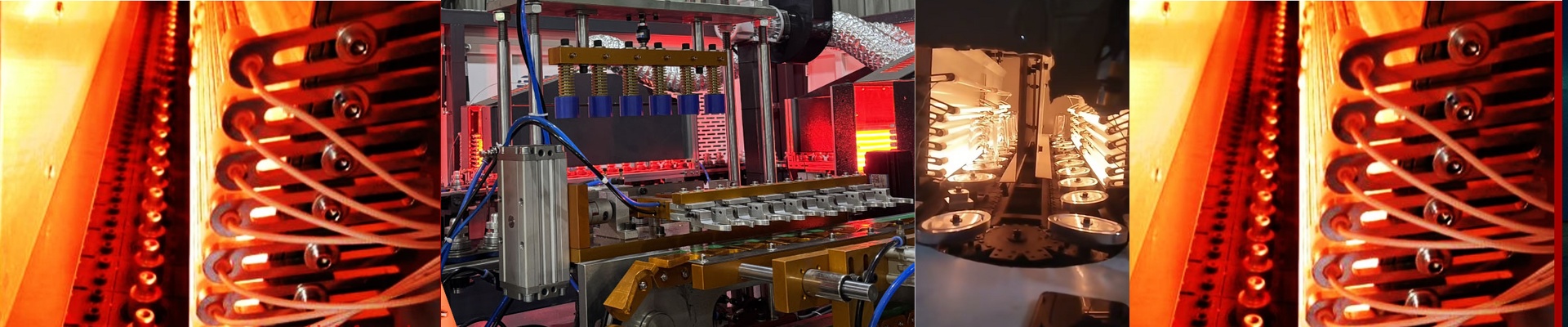
If you’re tired of paying those ridiculous OEM prices for heating tubes in your industrial bread ovens, you’re probably looking for a replacement. But here’s the thing: you can’t just eyeball the length and call it a day. If you get the wattage density or the quartz grade wrong, you’re just asking for trouble. That’s why we use twin-tube elements. They spread the heat out better, which means you won’t end up with those annoying hot spots that char your crust while the middle stays raw. Let’s talk power. Most of these big ovens run on 220V or 380V. By using a twin-tube setup, we basically double the heating surface without taking up any extra room. This lets us push the wattage higher—often over 2000W per unit—without melting the quartz. But be careful. If you swap a low-wattage tube for a high-powered one without checking your contactors, you’ll fry your relays. It’s a quick way to turn a simple fix into a total headache. The grit and the glass. We use high-purity quartz because it can handle the thermal shock. Let’s be real: bakery ovens are brutal. They’re filled with flour dust and grease splatters that just love to eat away at your equipment. Now, clear tubes react fast. But we often suggest a coated finish. It shifts the infrared spectrum so the heat actually gets deep into the dough instead of just searing the outside. And please, make sure your connectors—whether they’re R7s or pinch-welds—are seated tight. A loose fit creates an arc, and that’s how you end up with a melted socket. A few things to watch out for. These elements put out a massive amount of heat. That’s great for getting more bread out the door, but your ventilation has to be able to keep up. If the air doesn’t move, heat builds up around the tube ends and starts eating through your wiring insulation. One last tip: check your measurements down to the millimeter. If the tube is even slightly too long, it’ll bow. Once it starts to bend under its own weight, it creates a weak spot. Then, it cracks. And nobody wants to be replacing tubes every two weeks.