

Why You Should Ditch the Old Bathroom Lamp Heaters for IP65 Infrared
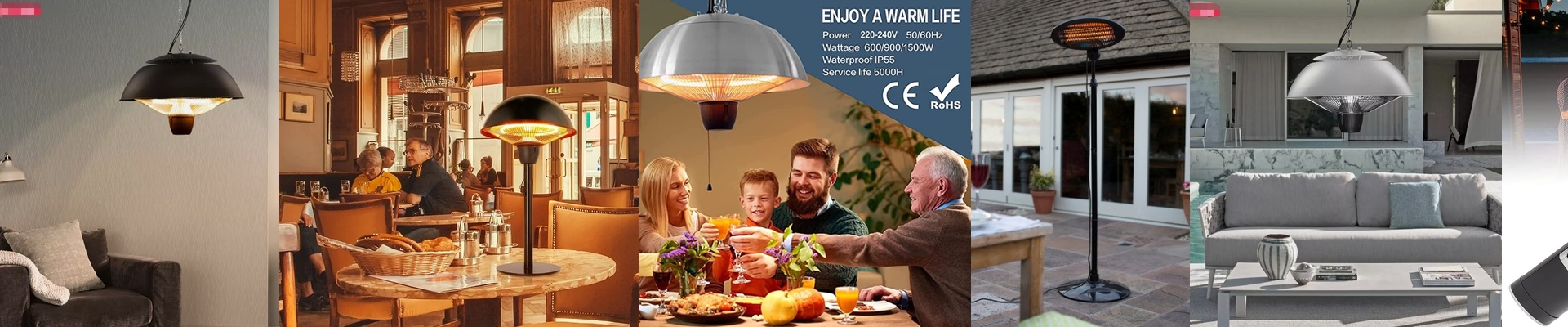
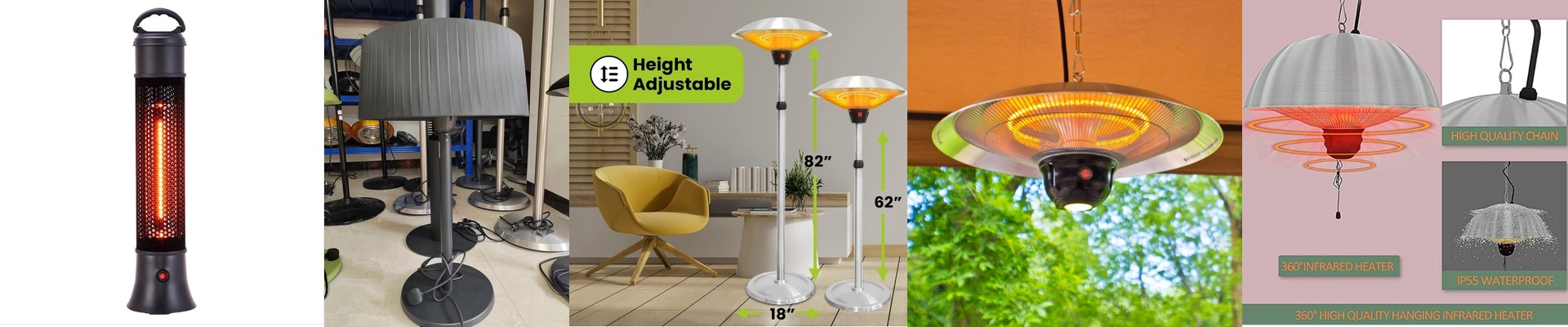
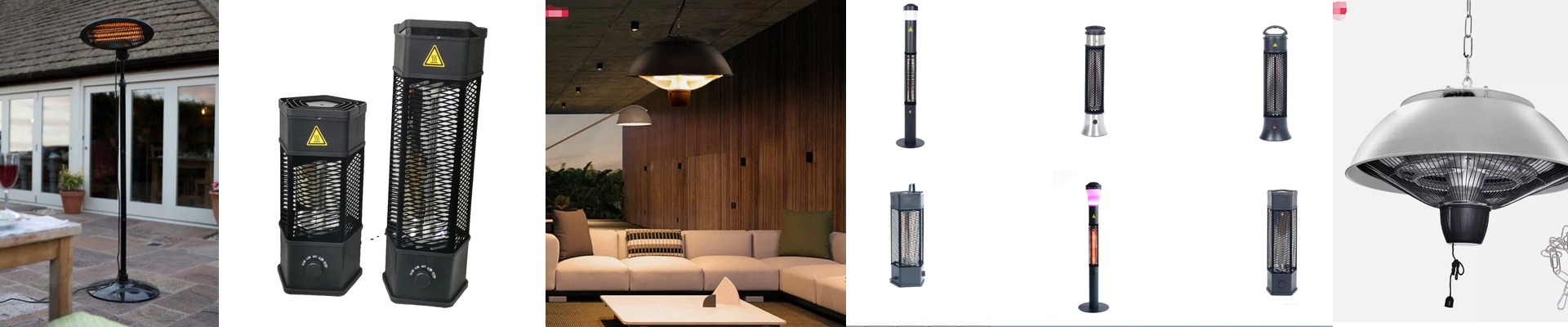
We’ve all been there. You step out of a steaming hot shower, the door opens a crack, and a blast of freezing air hits you. You flip the switch on those old-school lamp heaters, but you’re still shivering. The truth is, those old heaters just aren’t built for the bathroom. They hate steam. That’s why so many people are switching over to IP65-rated infrared heaters. It’s not about following a trend—it’s just common sense. The “Waterproof” Part Here is the thing about “IP65.” It sounds like a boring technical code, but it basically means the heater is sealed tight. In a normal bathroom, steam sneaks into the housing of a standard heater. It eats away at the wiring and causes short circuits. Pretty soon, the thing just burns out. With an IP65 rating, we use gaskets and a sealed chassis to keep the water out. It keeps the electronics dry and the heater alive for way longer. Why Infrared Actually Works Most heaters try to warm up the air. But air is slippery—it moves. In a drafty bathroom, that heat just floats away or escapes through the vent. Infrared is different. It doesn’t bother with the air. Instead, it sends out warmth that hits your skin and the tiles directly. It feels like stepping into a patch of sunlight on a cold day. You feel it the second you turn it on. No waiting around. No shivering. The Nitty-Gritty Now, putting out that much heat in a small space takes some decent engineering. If you use cheap materials, the casing will warp. That’s why we use high-temp glass and alloys that can take the heat without breaking a sweat. One quick tip: if you’re installing a high-wattage unit, just double-check your circuit breaker. You don’t want to be clicking the power back on every time you take a shower. Setting It Up We made these as simple drop-in replacements. You swap out the old fixture, and you’re done. And the best part? Since they’re sealed, dust and gunk can’t get inside the lens. You don’t have to spend your weekend taking the thing apart to clean it. Just wipe the outside of the glass every now and then to keep the heat flowing, and you’re good to go.