
Why your old bathroom heater is probably failing (and what to do about it)
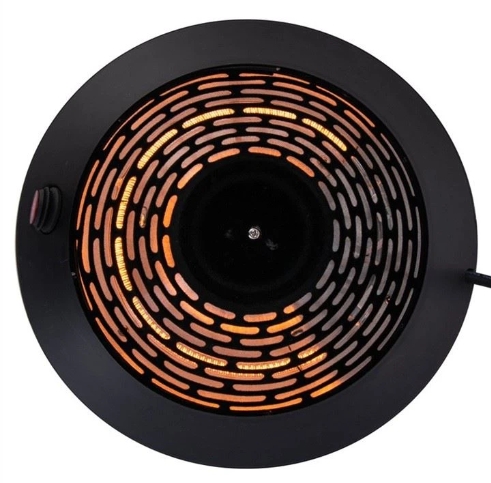
Let’s be honest: those old-school halogen “light heaters” are a pain. You know the ones—fragile quartz tubes that feel like they might shatter if you look at them wrong. They just aren’t built for the reality of a steamy bathroom. Between the humidity and the occasional splash of water, they’re basically asking for trouble. That’s why everyone is switching to waterproof infrared heaters. It just makes more sense. The battle against steam Here’s the thing about traditional heaters: they’re full of gaps. When you take a hot shower, that steam finds every single little opening in the housing. It settles on the electrical terminals, causes a short, and—pop—your breaker trips right when you’re shivering in a towel. Infrared units handle this differently. They use sealed gaskets and proper IP-rated enclosures. It’s like giving your heater a raincoat. The water stays out, the electronics stay dry, and you actually get to stay warm without worrying about a power outage. Heat you can actually feel There’s a big difference in how these things work. Halogen lamps try to heat the air around you. But in a damp, cold bathroom? That takes forever. Infrared is different. It sends out waves that hit your skin and the walls directly. It doesn’t care if the room is freezing or thick with fog; you feel the warmth the second you flip the switch. We even use special coatings on the elements so the heat stays steady, even when the outside of the unit is covered in condensation. The practical side of things If you’re looking to swap these out, the good news is they’re usually designed as drop-in replacements for your old ceiling fixtures. Just wire them in and you’re good to go. But a quick heads-up: check your amperage. Infrared arrays pull a bit more juice than a couple of old lightbulbs. If you’re doing a big renovation, just make sure your wiring is thick enough to handle the load so nothing gets too hot behind the walls. The only real downside? They’re a bit chunkier. You’ll lose a tiny bit of ceiling space compared to those slim halogen strips. But honestly, losing an inch of headspace is a fair trade for a heater that won’t burn out the first time winter hits.