


Introduction
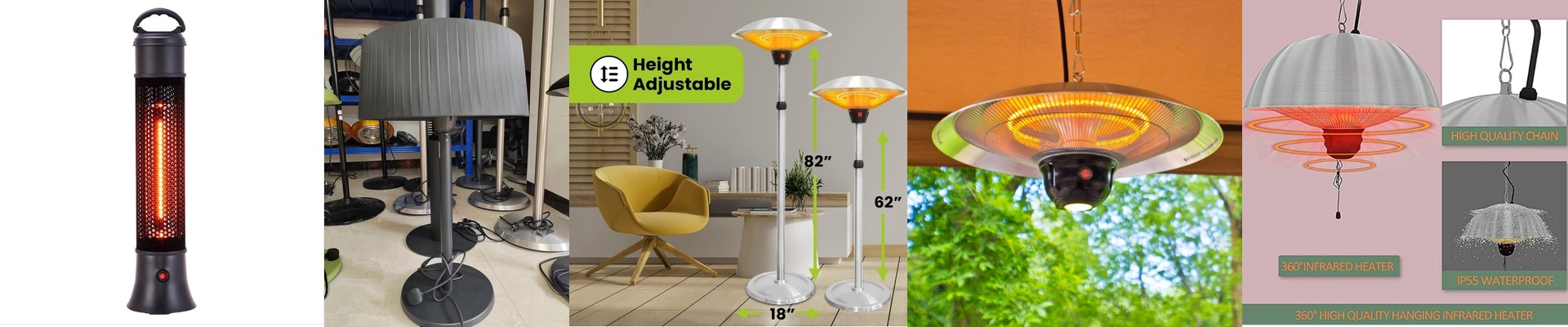
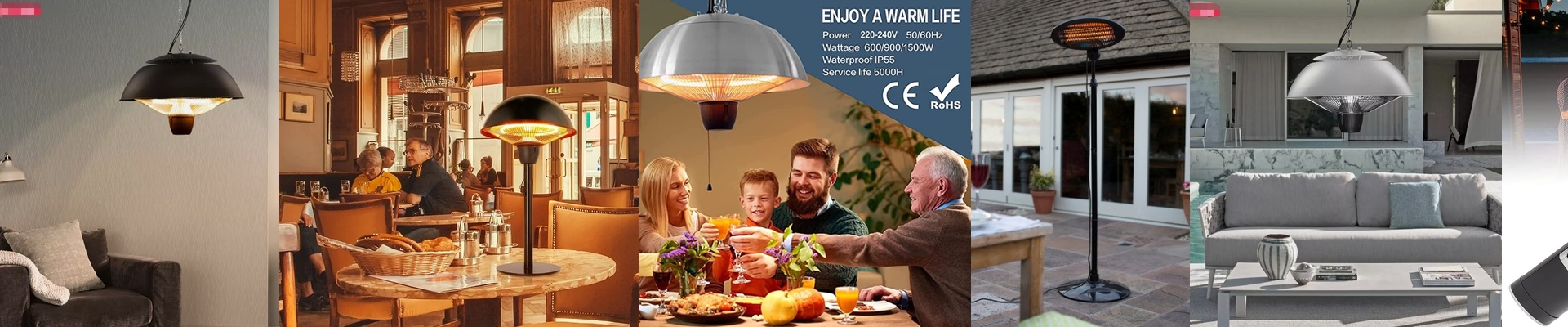
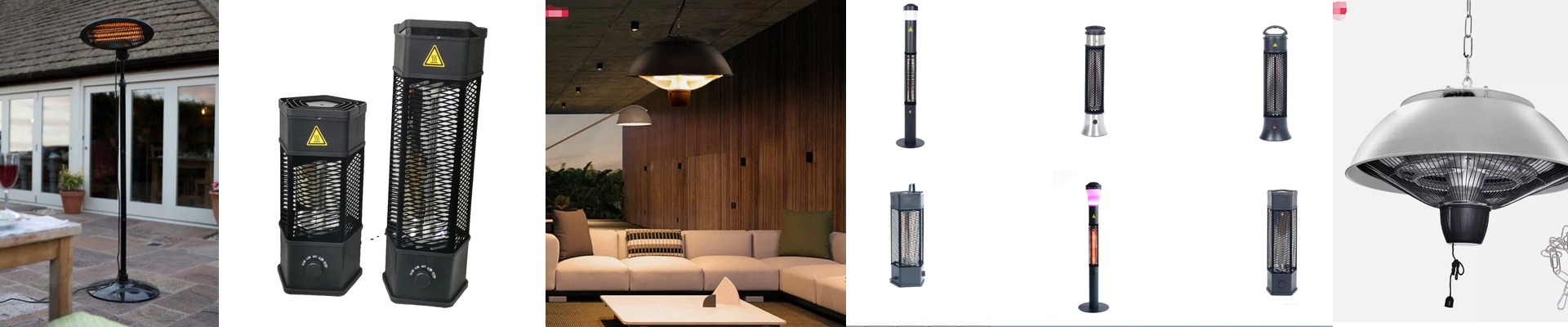
We built this little infrared panel heater for one reason: life on the road. Whether you’re in an RV or living off-grid, space and power are precious. We wanted something that gives you warmth—fast—without killing your battery or tripping the breaker. It works by radiating heat directly onto people and objects, instead of wasting energy trying to warm the whole air around you. That means you get cozy faster, with a heater that stays small and efficient. Because when you’re mobile, every inch counts.
Power, Voltage, and Size: Keeping It Real
Here’s the thing—this heater was designed to play nice with what you already have. It runs on standard 120V or 240V, so you can wire it straight into a typical RV setup without a total electrical overhaul. We tuned the wattage to deliver serious heat from a compact body. Enough to warm a small cabin or living area without feeling like you’re powering a small city. And the size? We kept it slim and light. Mount it on a wall or ceiling and it practically disappears. You get a lot of warmth from a small footprint, but you do need to plan for how that heat moves through your space.
What’s Inside: The Stuff That Lasts
At the core is the infrared heating element. We went with a high-quality quartz tube or a durable coated element that can take the constant on-off cycling of off-grid living. No more crossing your fingers that it’ll survive another cold night. The connections matter too. We spec’d a tough, high-temperature-rated terminal—something like an R7s industrial-grade block—that stays tight and handles the current. It’s built for the real world, where the road shakes and temperatures swing. Wire it up once, and it stays put.
Why It Works Out There
When you’re off-grid, the big challenge is getting warmth without draining your system. Our radiant panel turns most of its electrical input straight into radiant heat. No blowing warmth into thin air that just leaks out through cracks. Just steady, reliable heat, even when it’s freezing outside, while pulling a reasonable amount of power. And it’s quiet. No fan means no noise and no dust getting kicked up—something you really appreciate in a tight space. For anyone building or integrating a mobile power system, it means a heater that just works. Reliable, low-maintenance, and easy to fit into your setup without a headache.