Introduction
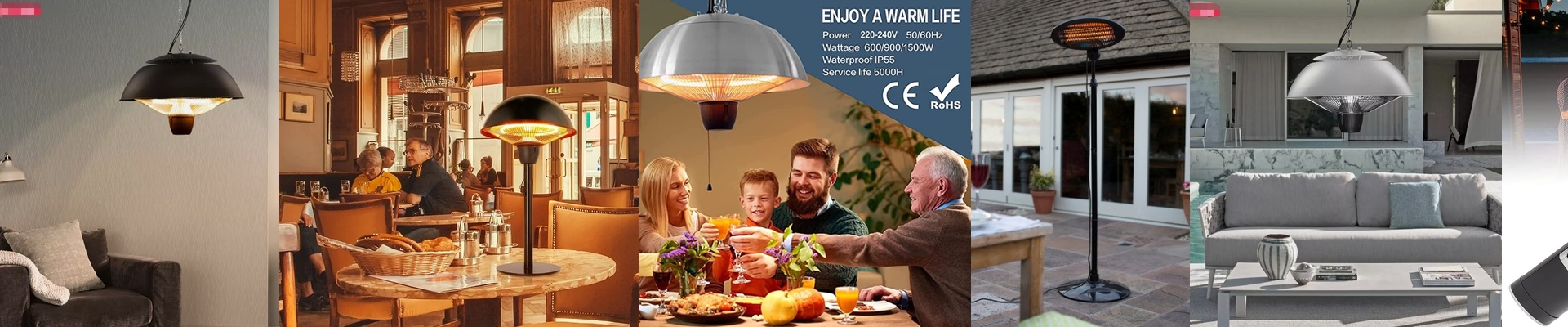
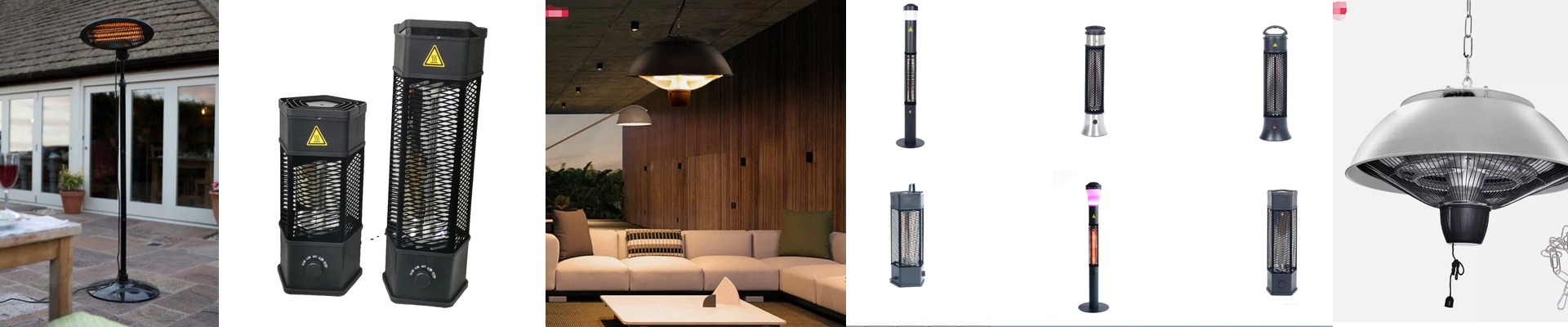
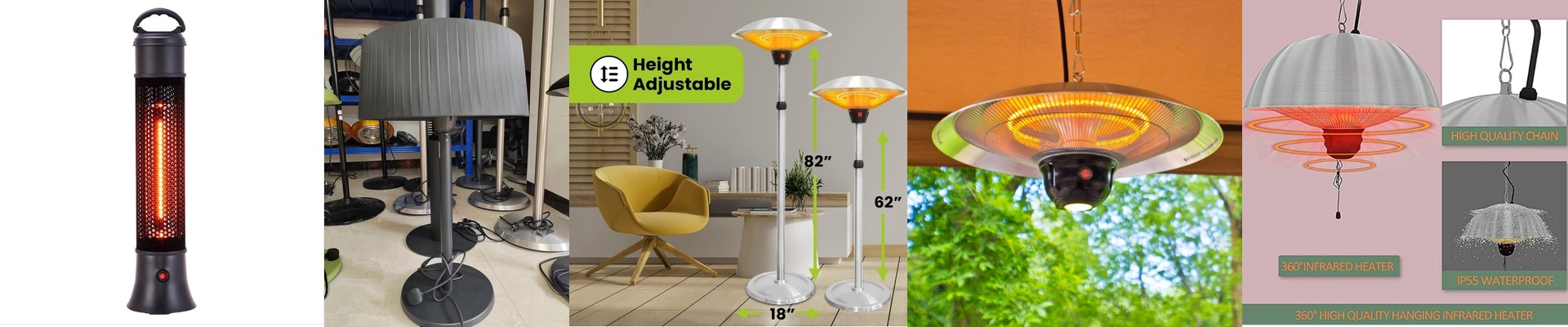
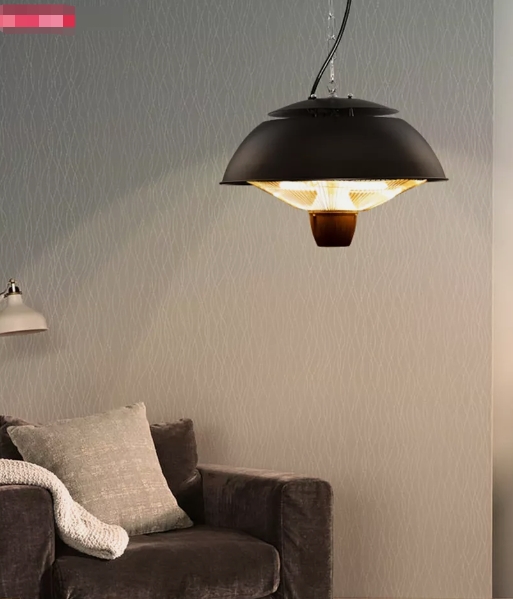
We built these bathroom heaters to do more than just warm up a room. Sure, they give you that direct, comforting heat. But the real win? They tackle the humidity that breeds mold in wet spaces. And it’s not just about cranking up the power. It’s about using the right kind of light to get the job done.
Technical Deep-Dive
These heaters run on shortwave infrared. That means they get surfaces hot fast, without blowing air all over the place. Walls, floors, fixtures—they stay warm enough that condensation doesn’t get a chance to form in the first place. The power is concentrated, so the unit can bounce back quickly after a steamy shower or a full bathroom session. But here’s the deal: with that kind of heat density, you need proper ventilation. If the air can’t move, the surfaces will still stay warm, but the moisture will hang around. Match the exhaust airflow to the heater’s wattage, and you’ll keep the whole space balanced.
Material & Design
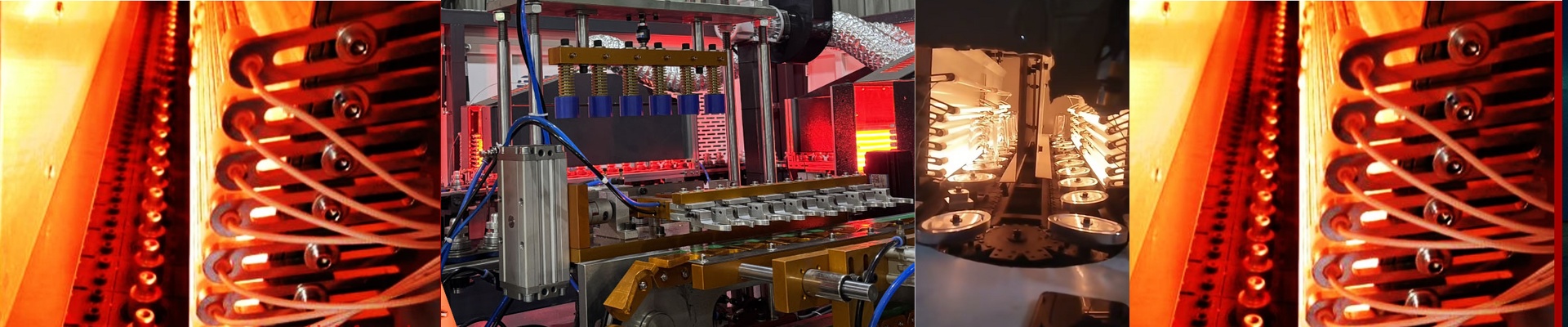
Inside, you’ve got a quartz halogen tube that’s built to handle the shock of turning on and off over and over. The halogen cycle keeps the filament steady, so the heat stays consistent over time. And the quartz envelope? It lets the shortwave energy through cleanly, so more of the heat goes where you need it. Installation is simple, thanks to the R7s base. This two-pin setup gives you a solid connection and a tight fit. It’s a standard you’ll find in workshops everywhere, and it cuts down on install time while keeping things secure—even in spots that get a lot of vibration or moisture.
Application & Benefits
Let’s be honest: stagnant moisture is the real villain in any bathroom. By warming surfaces directly, these heaters drop the humidity right where mold likes to start—at the surface level. The payoff? A drier bathroom without the noise and bulk of big ductwork. Now, we’re not saying this replaces a mechanical dehumidifier. It works alongside one. The heater keeps surfaces from getting that cold, wet feeling that mildew loves, while the exhaust pulls the vapor out. For engineers and facility planners, that means a smaller footprint, faster recovery, and fewer calls back about mold. Spec the heater, spec the right airflow, and the whole system just works the way it should.