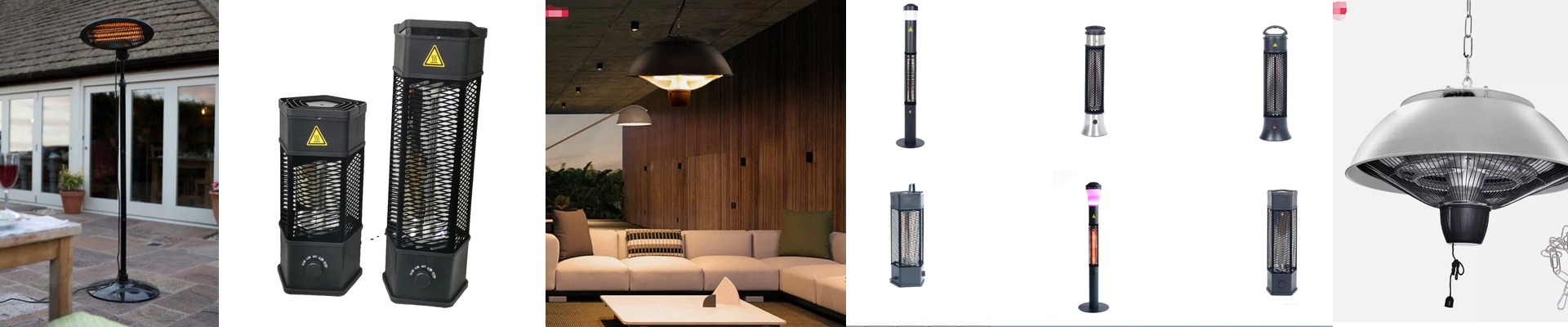
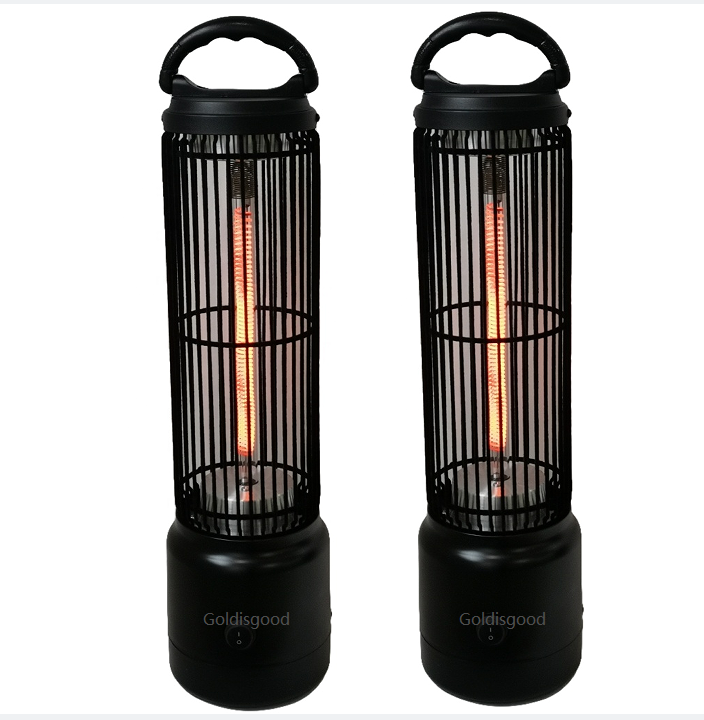
CE-Certified Electric Infrared Heaters: Actually Fixing Big Warehouse Heating
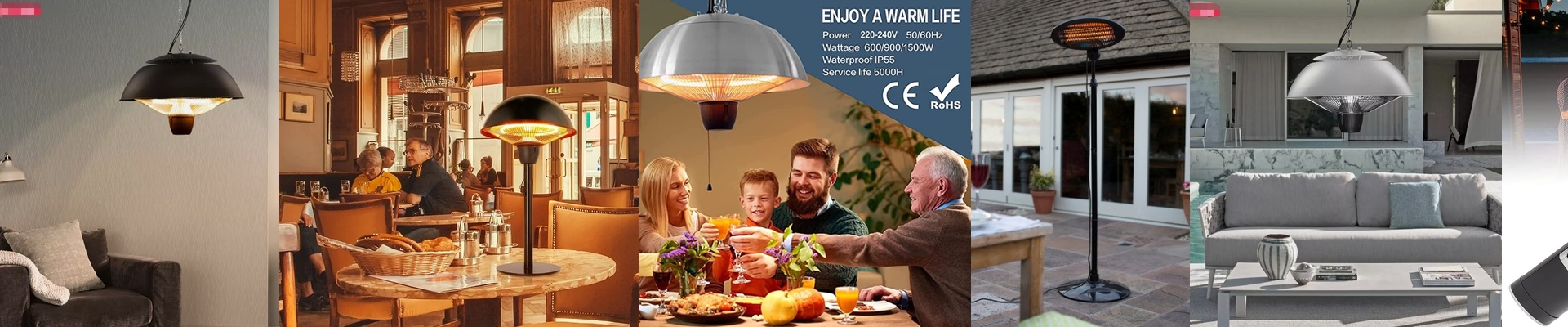
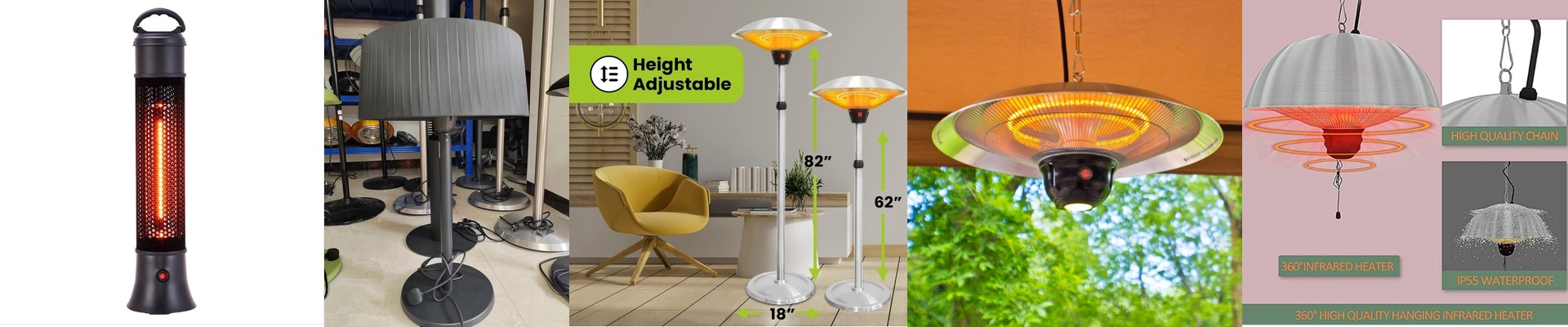
Heating a massive warehouse is a headache. You know the scene: old convection systems pump out heat, but it just floats around in the empty air. Meanwhile, the people who actually need warmth—the ones on the loading dock, at their workstations—are still freezing. So we built something different: a CE-certified electric infrared heater that gets straight to the point. It doesn’t waste energy heating the whole room. It puts the heat right where you need it, exactly when you need it.
What’s Under the Hood: Power You Can Trust
At the heart of this heater is a tough, industrial-grade infrared core. It’s built for the kind of nonstop work a warehouse demands. And that CE certification? It’s not just a piece of paper to hang on the wall. It means the heater clears Europe’s strict safety and emissions standards. So when you wire it in, you’re not crossing your fingers—you’re doing it with confidence, knowing it meets the real requirements for your facility. This thing cranks out serious, focused heat. It doesn’t rely on blowing air around, which is where most heat gets lost. Instead, it delivers thermal energy that cuts right through the space, landing on the target.
Smart Design for Focused Warmth
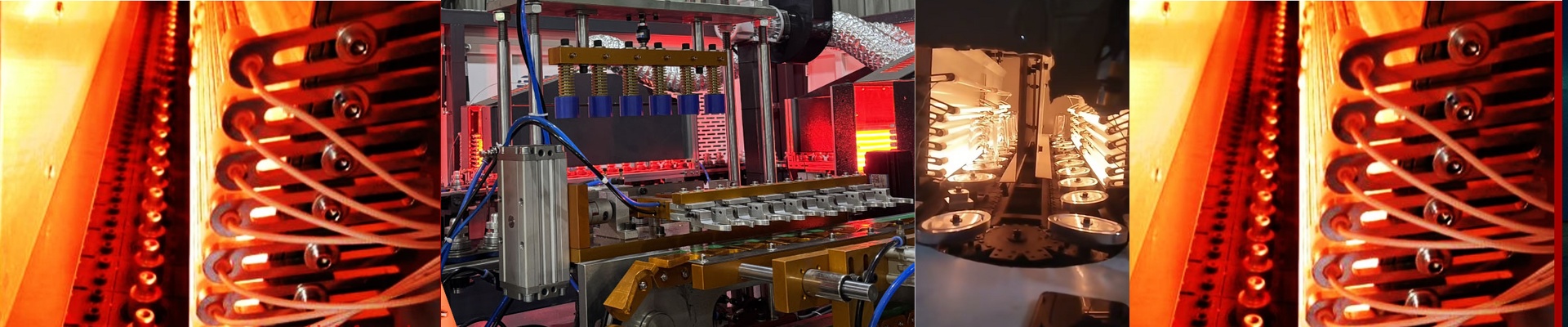
The magic piece is the high-temperature quartz tube. It’s tough enough to handle the shock of starting up fast and running for hours on end. Inside, the filament is tuned to put out shortwave infrared. This heat travels in a straight line, warming people and objects directly. That’s how you get what we like to call people-centric heating. It’s not about the room, it’s about the humans in it. Then there’s the R7s connector. It’s a simple, smart choice. It’s a standard, high-temp connection that handles the load without breaking a sweat. And it makes installation easy—just a solid, plug-in joint that gets the job done.
How It Saves Energy (and Money)
In a big warehouse, this setup cuts straight through energy waste. The heat goes where it’s useful—down on the floor, warming the equipment, the work zones. Not up in the rafters. You only run it when and where you need it. No more paying to heat empty aisles that no one uses. That targeted approach can seriously shrink your energy bill compared to heating the whole space. Just keep this in mind: infrared is directional. It doesn’t warm the air in open, empty spaces. So for the best results, position the heater to shine directly on work zones, loading docks, or specific workstations. That’s how you get heat on demand, without wasting a single kilowatt. If you’re an engineer who needs to heat specific areas, keep costs down, and make sure your team stays comfortable, this is the straightforward solution you’ve been looking for.