

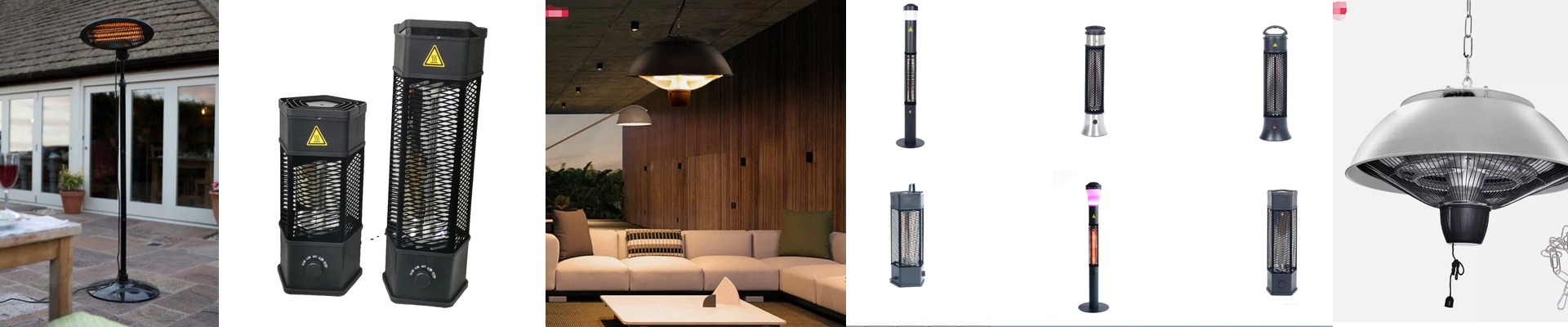
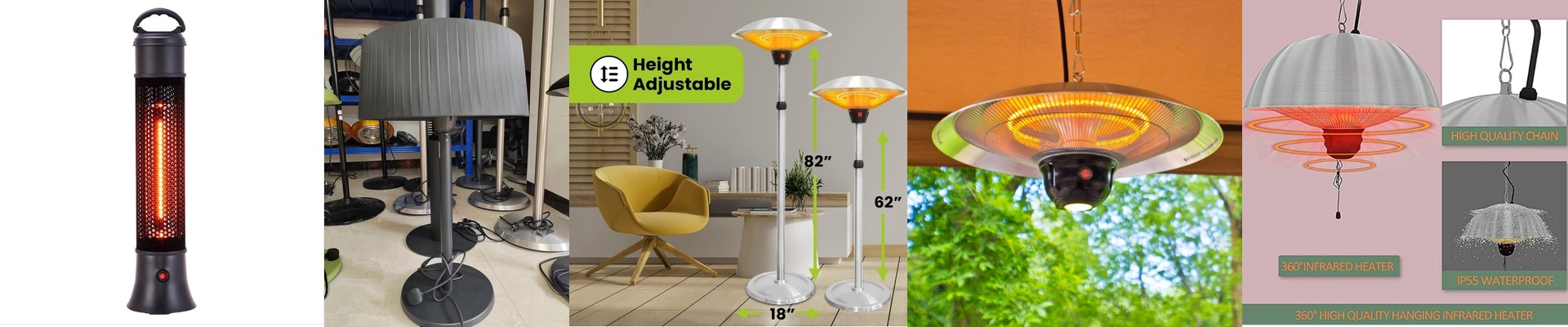
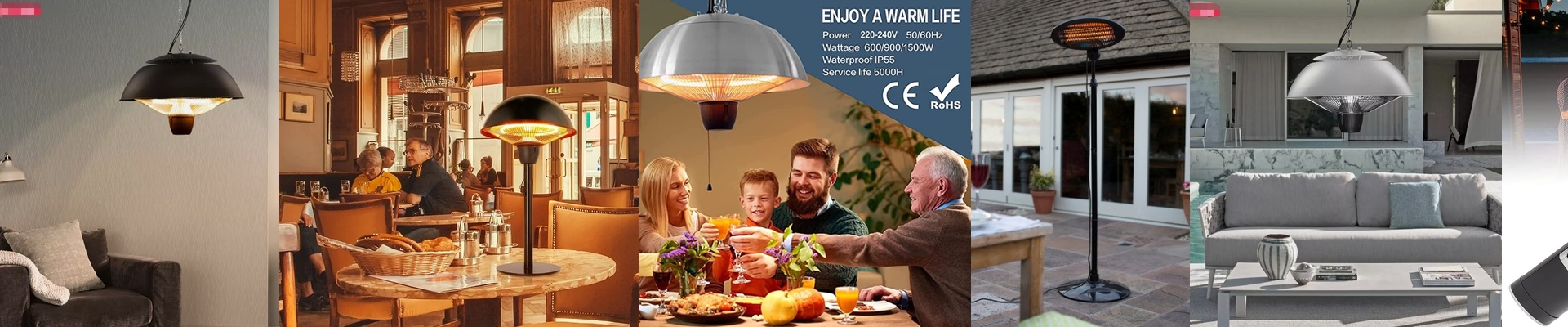
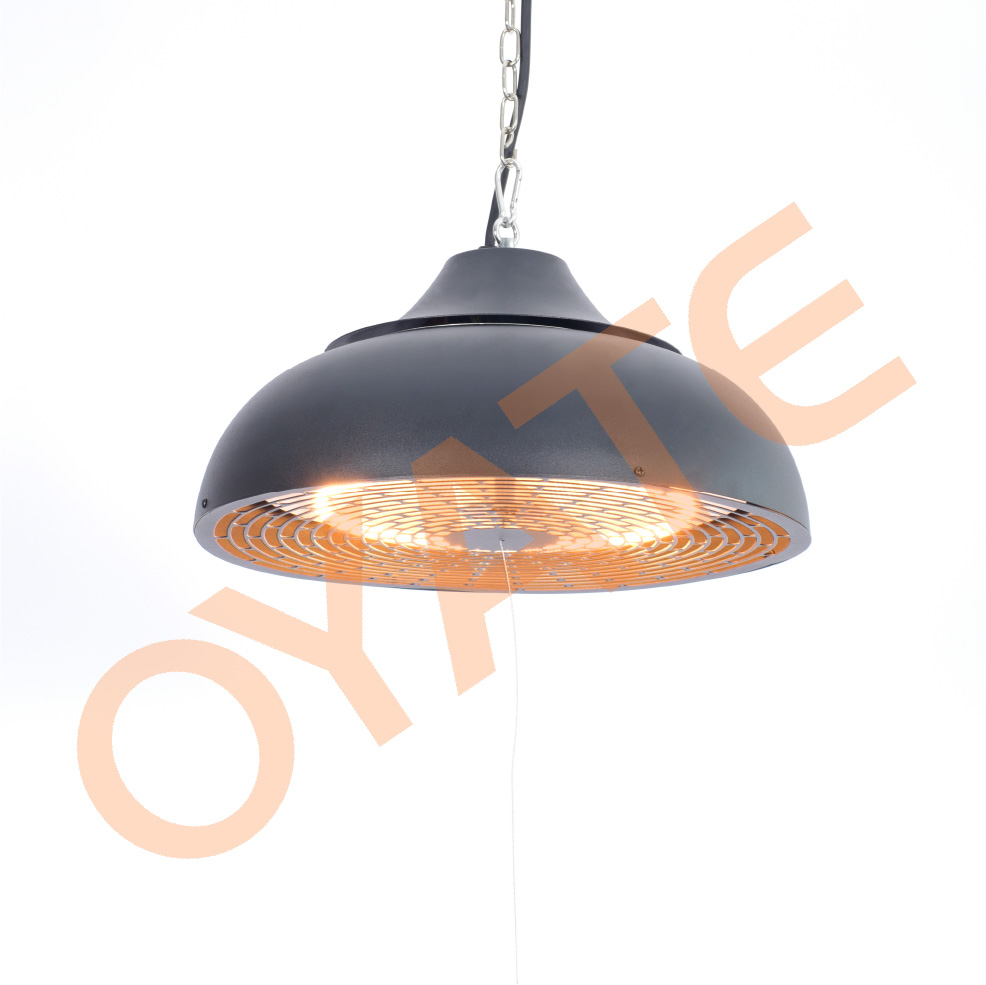
Winter has a way of putting your heating setup to the test—not just whether it keeps you warm, but whether it keeps you quiet. A bedroom can feel warm on the surface, yet if the heater hums, clicks, or whooshes, you wake more worn out than when you went to sleep. That’s where a wall mounted infrared fireplace earns its keep as a winter sleep partner. It delivers warmth that feels direct and natural, without the mechanical noise that keeps your system on high alert.
What’s actually happening, technically
A wall mounted infrared fireplace leans on radiant heat. It warms objects and people directly, instead of pushing air around with a fan. In practice, you feel heat within seconds of turning it on—no waiting around for a blower to spin up. The heating elements are usually quartz or carbon-based, and for good reason: they come up to temperature fast, hold steady, and cycle quietly. The unit sits flush on the wall, so you’re not fighting floor space, and it runs without a blower. No fan noise, no rattle, and none of the air movement that kicks up dust.
Why it fits the bedroom so well
In a bedroom, the job is straightforward: get warm quickly, stay warm evenly, and keep things calm. Radiant warmth targets what matters—your bed, your skin—so you don’t have to overheat the air just to feel comfortable. Because it doesn’t rely on forced air, you don’t get that on/off blasting that tends to jolt you awake. Instead, it holds a gentle, even feel that supports deeper sleep. Fewer awakenings, less tossing, and a room that feels quietly restful, even when it’s freezing outside.
The practical details you’ll want to get right
Installation is straightforward for a qualified electrician, but you do need a dedicated circuit and proper mounting to meet local clearances. Since infrared heats objects directly, the warmth is most effective in line-of-sight. Place the unit so it reaches the bed and the key spots you use most. And yes—the heater surface can get hot to the touch. Keep furniture and bedding at the recommended distances, and rely on the built-in safety cut-off. It’s the kind of peace of mind you don’t miss until you need it.