

Why we’re moving away from resistance wires to circular IR heaters
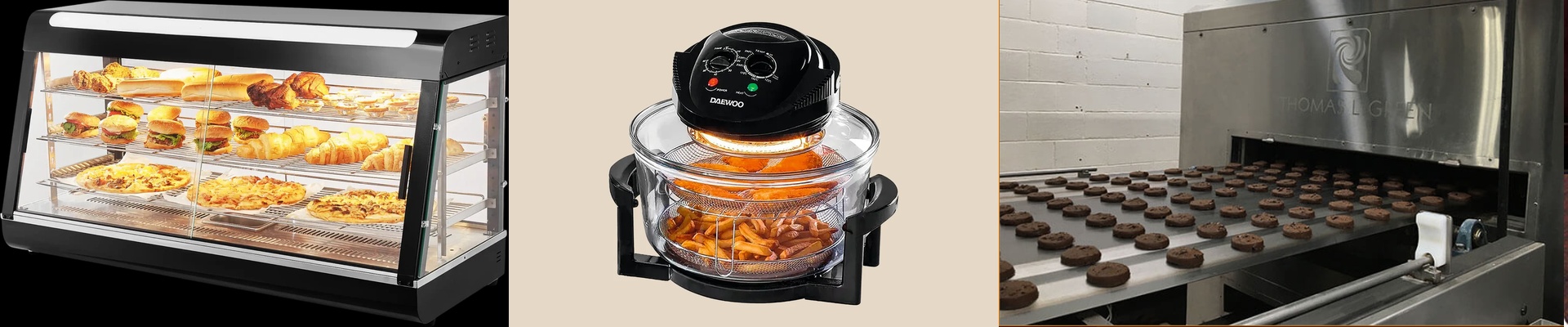
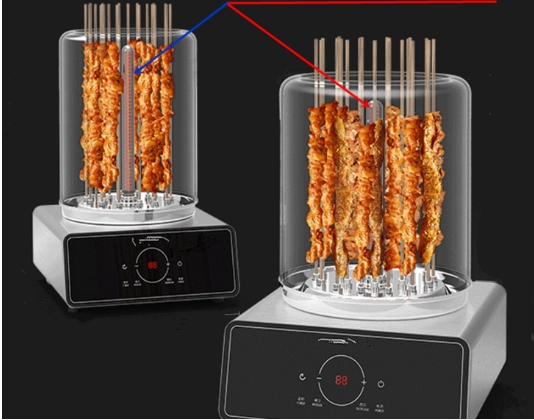
Think about how a standard resistance wire works. It heats up the air around it, and then that air eventually heats up the food. It’s a slow process. You’re basically paying to heat the entire oven cavity just to get a sandwich warm. It’s a waste of time and a waste of power. That’s why we build circular infrared (IR) heaters. Instead of messing around with the air, IR emitters send energy straight to the target. The food grabs the heat instantly. The air? It stays pretty cool.
Cutting down the power bill
Most old-school heating relies on convection. It’s sluggish. IR is different—it’s electromagnetic radiation. In a food warmer, a circular element spreads that heat evenly across the surface of whatever you’re warming. Since the energy goes directly into the food, you hit your target temperature way faster. You’ll notice your kilowatt-hour (kWh) numbers start to drop. The heater simply doesn’t have to run nearly as long to keep things hot. If you’re running a high-volume commercial kitchen 24/7, those savings really start to add up.
The “catch” and the setup
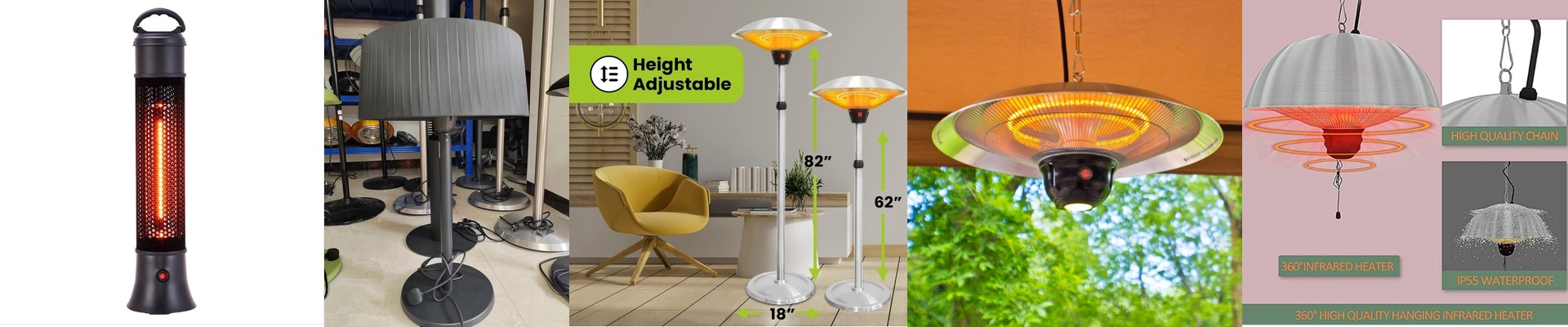
Now, here is the thing: circular IR lamps pack a lot of heat into a small space. It’s great for speed, but it means your reflectors have to be on point. If they get pitted, greasy, or just dirty, your efficiency tanks. You’ve got to keep those surfaces polished so the IR waves bounce right back toward the food. We’ve designed these to be easy drop-in replacements for older systems. But do me a favor—check your current draw first. IR elements ramp up much faster than old coils. You’ll want to make sure your controllers can handle that quick response so you don’t accidentally overshoot your temperature.
What this means for your shop
You’re basically cutting out the middleman—the air. The footprint is smaller. The heat-up time is almost instant. It’s a simple way to trim your overhead on a warming line without having to tear apart your entire chassis and start from scratch.