

Stop Buying New Machines: Just Fix Your Heating
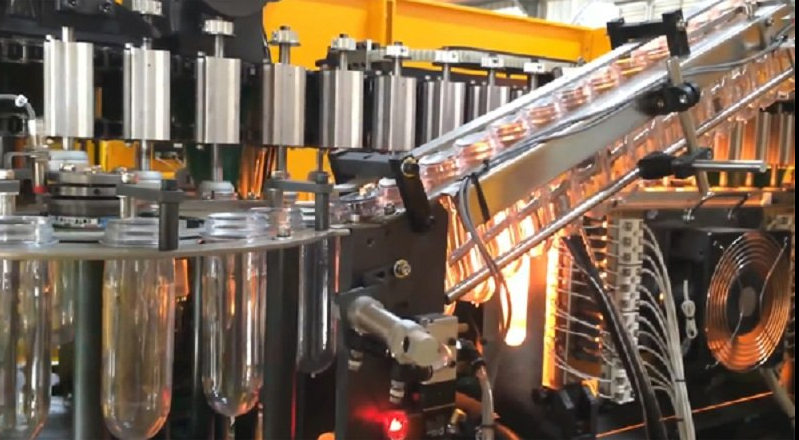
If you’re running a small or mid-sized brand, you probably have an older PET blowing machine that’s just not keeping up. It feels slow. You’re staring at the clock, wishing you could shave a few seconds off your cycle time to get more bottles out the door. But here’s the thing: you don’t always need to drop a fortune on a brand-new machine. Most of the time, the real bottleneck is just the heating oven. If your infrared lamps are old or just weren’t built for high speed, they’re holding you back. Swapping those out for high-density halogen elements can seriously speed up your preheating and jumpstart your total output.
Getting the heat right
To move faster, you need to get that PET preform to the right temperature quickly. But there’s a catch. You have to do it without scorching the plastic. We use short-wave infrared tech to hit that sweet spot. By bumping up the wattage and tweaking the voltage—usually moving toward 230V or 400V—you’re basically pumping more energy into the preform in a shorter window of time. It’s fast. Really fast. Just be careful not to go overboard. If you crank the wattage too high without adjusting your conveyor speed, you’ll end up with “pearlization” or uneven walls. It’s a balancing act.
The nitty-gritty on the gear
We make these lamps out of high-purity quartz glass. Why? Because it lets the IR heat pass through without getting trapped. We also stick to standard R7s or SK15 connectors. I’ve been there—you don’t want to spend your whole afternoon rewiring an oven just because one tube burnt out. With these, you can swap a lamp in a couple of minutes and get back to work. Plus, some of our setups use coated quartz. This is a neat trick that pushes the heat into the PET material instead of wasting it on the oven walls. Your machine stays cooler, and your electric bill stays lower.
Keeping things running smooth
Swapping your lamps is one of the easiest ways to get your efficiency back. One quick tip: if you’re jumping from low-wattage bulbs to a high-density array, take a look at your electrical panels. Make sure your contactors can handle the extra amperage so you don’t trip a breaker mid-shift. And for heaven’s sake, keep the quartz tubes clean. A little bit of dust or a smudge of oil on the glass creates hotspots. Those hotspots will eat through your filament and kill the lamp way sooner than it should. A quick wipe-down goes a long way.