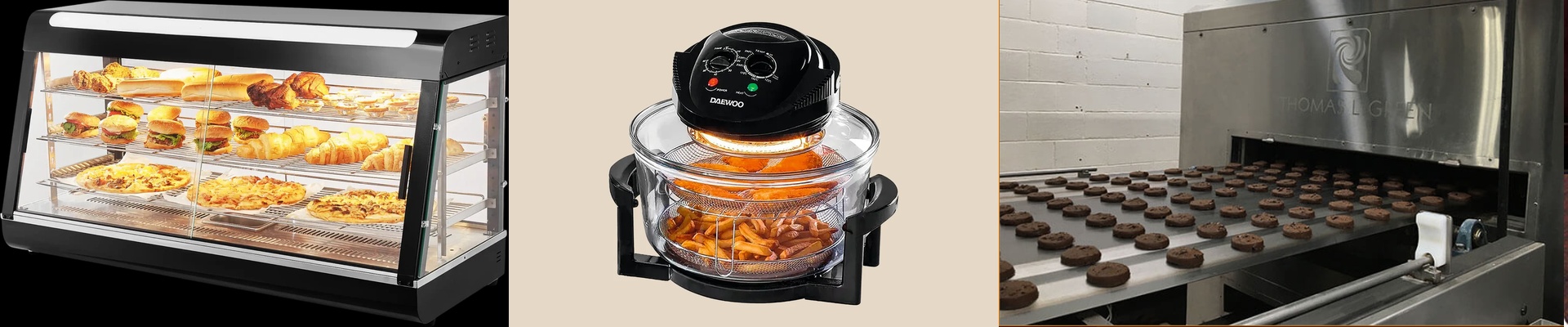
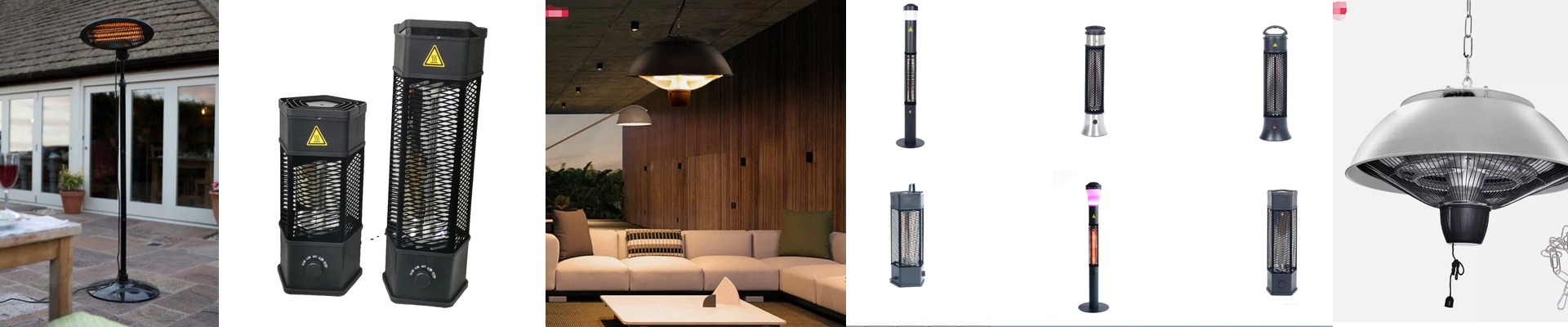
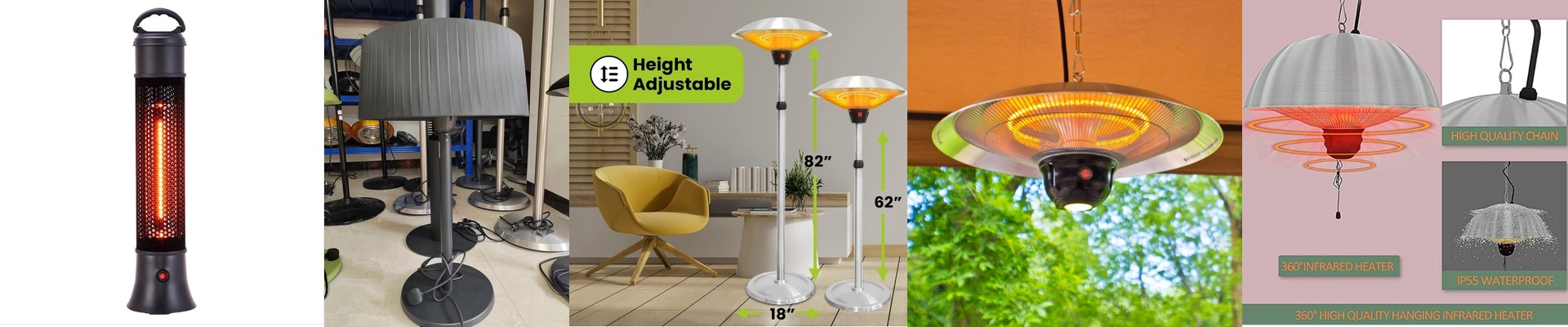
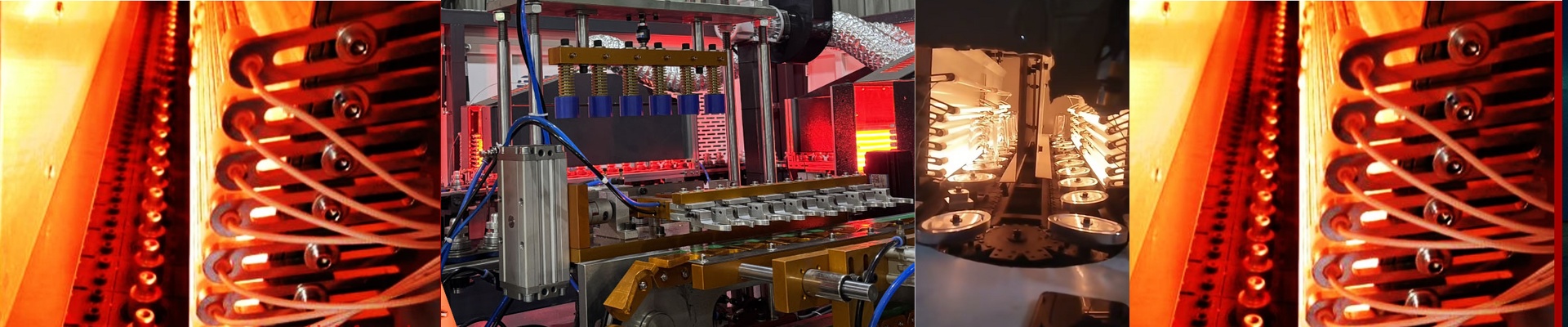
When the dinner rush hits, you can’t afford a lagging heating element. In pizza, bakery, and roasting lines, the tableware dryer quartz tube for baking is where the heat gets delivered—and recovery speed and temperature stability are what shape crust, color, and output. What matters under the hood Quartz tube heating runs on short-wave infrared, so the energy goes straight into the dough and pans instead of wasting time heating air. That gives you a fast ramp-up from cold start to bake temp, and tighter control when you’re switching from thin crust to thick focaccia. These units are built for commercial voltages and hard-working cycles, with dense quartz that stands up to thermal shock and holds a stable output profile over thousands of bakes. In the shop, that translates to more consistent caramelization on the rim and fewer hot spots across the deck. Why it earns its keep Pizza needs rapid recovery after you load the deck. Bakery work demands steady, even heat to set the crumb. Grill and roast lines need holding temperatures without drying out surfaces. A quartz tube element hits those different needs by putting intense, controllable heat right where you need it. You end up with shorter bake windows, fewer underdone centers, and less guesswork during service. It also dries tableware and bakeware faster, so your station keeps moving instead of waiting on wet pans. The shop-floor details Quartz tubes are efficient, but they need clean mounting and proper clearance from shields and stone hearths. Verify oven voltage and terminal spacing before you order, and make sure the tube length and connector type match your baking chamber layout. The upfront cost is a bit higher than standard elements, but when it’s installed correctly, you get repeatable temperature behavior and a longer service life.