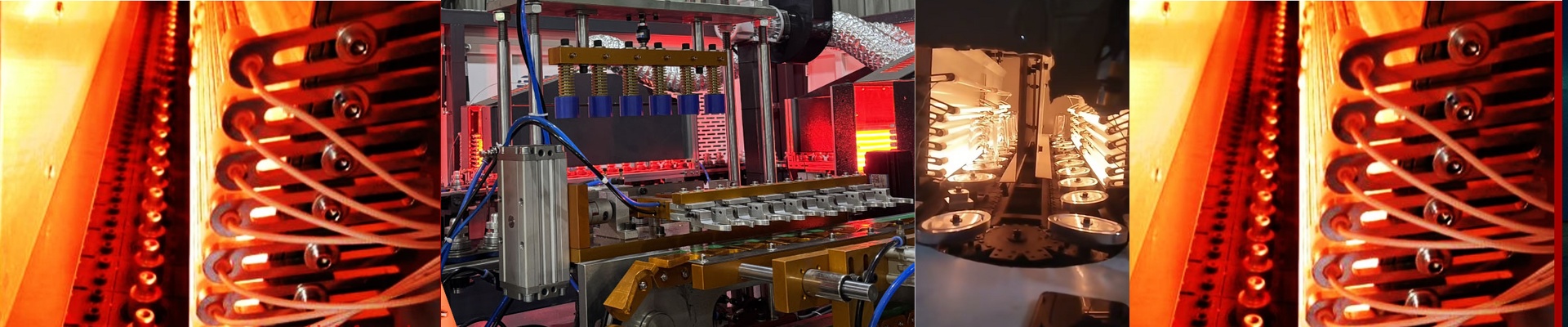
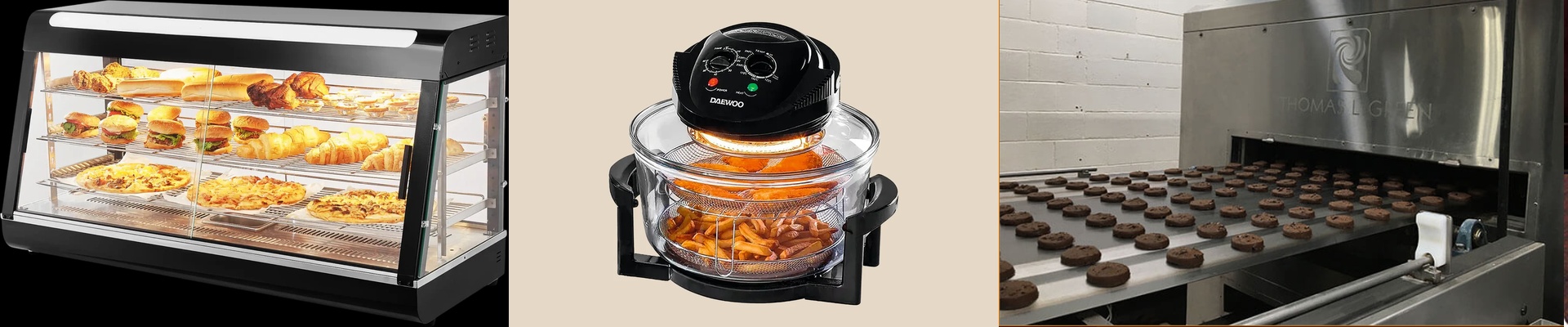
When the lunch rush hits, your deck oven can’t afford uneven heat or slow recovery. Hot spots scorch the crust while cold zones leave dough undercooked, and every minute you spend waiting for temperature is a minute you’re not getting tickets out. What matters under the hood A gold-coated IR reflector works by redirecting short-wave infrared energy back into the baking chamber, so the heat stays where it belongs instead of bleeding through the oven walls. The gold layer gives you high reflectivity across the infrared spectrum, which improves thermal efficiency and evens out the radiant profile across the stone hearth. In practice, that means faster warm-up, tighter temperature control, and more consistent caramelization bake after bake. We build these reflectors for commercial duty, with materials that take high heat and repeated thermal cycling, so output stays steady over thousands of cycles. Why this matters on the line In a busy kitchen, reliability is measured in consistent output, hour after hour. With a gold-coated IR reflector, your oven recovers quickly after the door opens, holds stable deck temperature through consecutive bakes, and reduces the gap between top and bottom crust color. That translates to fewer rejected pizzas, fewer re-fires, and a production line that behaves predictably. You also use less energy because less heat is wasted, and your crew works with a stable baking chamber instead of chasing swings from the thermostat. What to watch on install and in daily use Installation is straightforward, but the reflector has to be matched to the oven’s geometry and the heating element’s wattage density. Clearance matters, and any misalignment will throw off reflection and create uneven results. Keep the surface clean and dry, and inspect it during routine maintenance. The coating is durable, but it performs best when you protect it from grease buildup and physical impact.